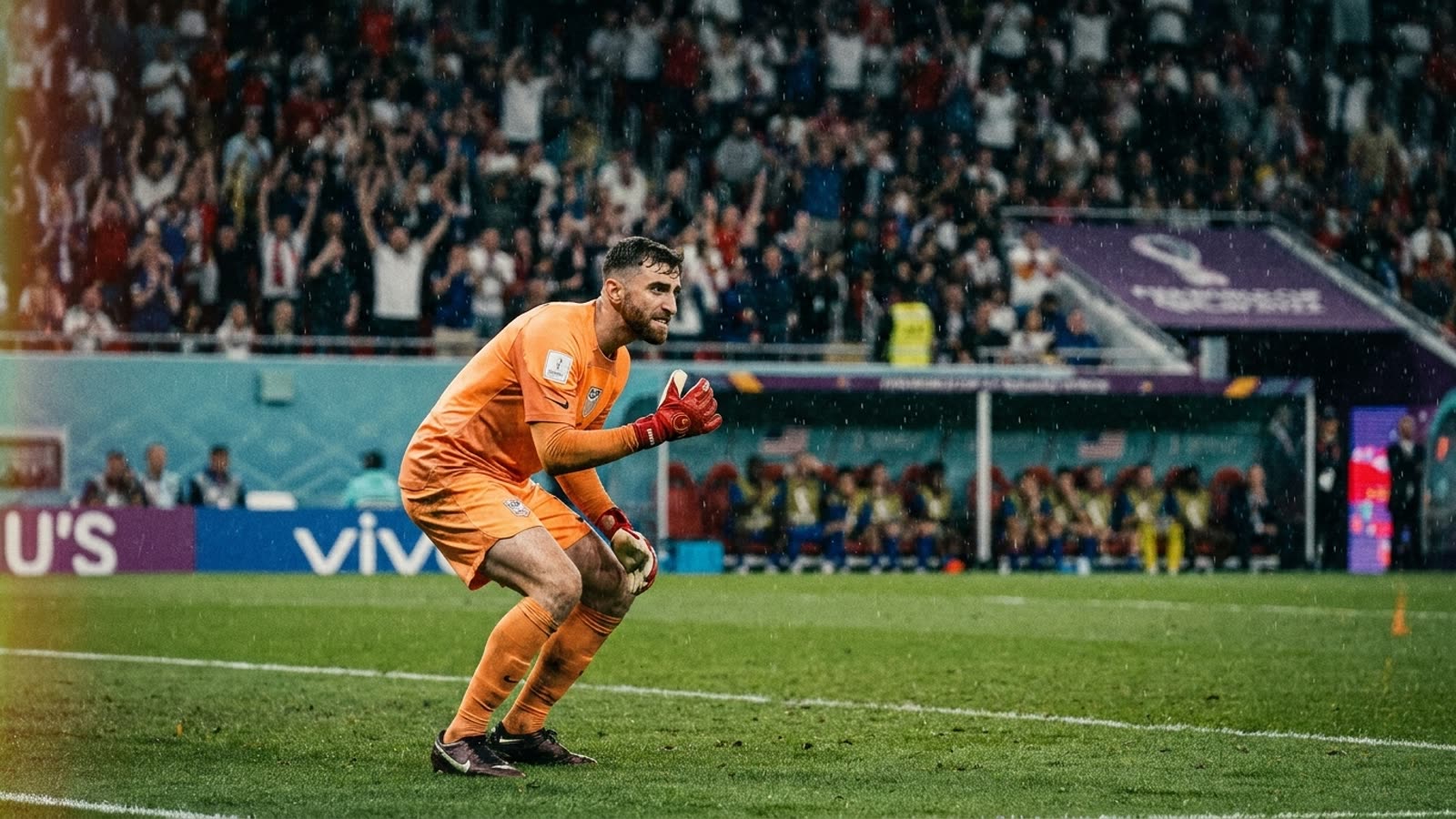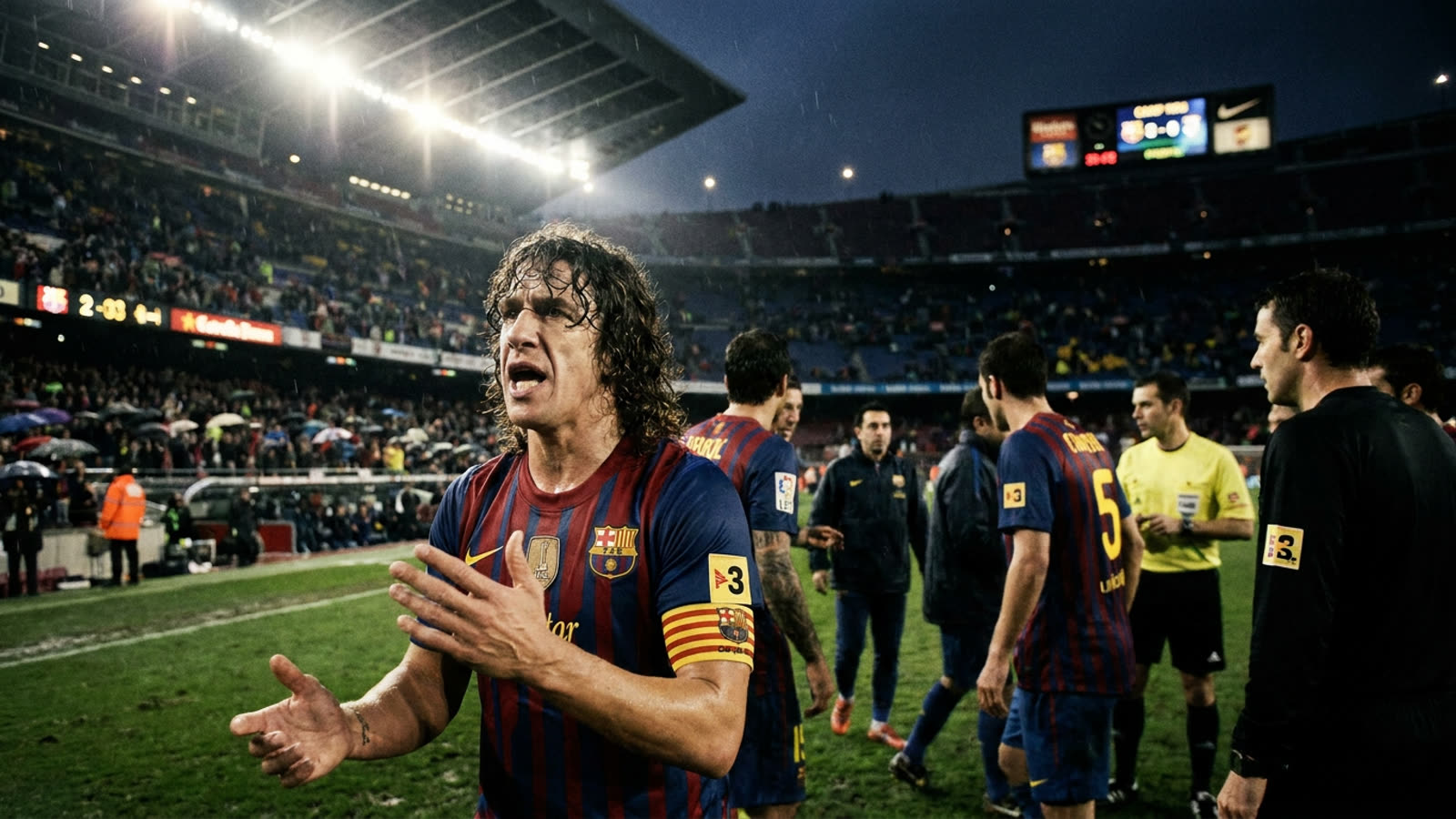
The conventional wisdom in international football has always been simple: win your group, build momentum, arrive in the knockout rounds with confidence surging. Germany and the United States followed this script faithfully through two matches each, then watched it combust in the final ninety minutes of group play.
Germany, who had dismantled their first two opponents with the clinical efficiency that made them 2014 world champions, played Ecuador to a draw that felt like a defeat. The United States, riding high on home-soil euphoria and two wins, conceded a last-second goal to Türkiye that sent the MetLife Stadium crowd home in stunned silence. Neither result was catastrophic on paper—both teams advanced—but the psychological damage may prove harder to repair than any early exit.
The momentum myth
Football managers have long preached the gospel of momentum, the idea that winning breeds winning and that a team firing on all cylinders will simply continue to fire. The 2026 group stage suggests otherwise. Germany's problem against Ecuador was not fatigue or complacency in the obvious sense; it was the subtle relaxation that comes from knowing qualification is already secured. The edge that produced their earlier performances had dulled just enough to matter.
The Americans faced a different version of the same problem. Having already qualified, Mauricio Pochettino rotated his squad and experimented with tactical variations. The result was a disjointed performance that Türkiye punished with a goal in the dying seconds. The honeymoon period of Pochettino's tenure—those heady early wins that had American fans dreaming of a deep run—ended with a reminder that this tournament forgives nothing.
Historical precedent
The pattern is not new. Spain won all three group matches in 2014, then lost to Chile in the round of sixteen. Brazil swept their group in 2006, then fell to France in the quarterfinals. The teams that tend to win World Cups—Germany in 2014, France in 2018—often navigate their groups with a certain pragmatic imperfection, taking just enough points to advance while preserving their best football for the matches that actually eliminate.
This is not to say that winning is bad, only that the manner of winning matters. A team that peaks in the group stage has nowhere to go but down. A team that grinds through early matches, identifying weaknesses and building cohesion, often arrives in the knockout rounds with room to grow.
Our take
The United States and Germany will both be fine, probably. They have the talent and the coaching to reset before the round of sixteen. But the lesson from this week is worth remembering: the World Cup is not a sprint, and the teams celebrating loudest in late June are rarely the ones lifting the trophy in mid-July. Pochettino's real work begins now, as does Julian Nagelsmann's. The group stage was never the test. It was merely the entrance exam.