The Netherlands have qualified for the World Cup knockout rounds, which is rather like saying a student has passed the course with a D-minus: technically accurate, spiritually hollow. Their passage through Group F—secured alongside Japan and Sweden on a chaotic final matchday—exposed a side that looks nothing like the fluid, total-football inheritors they fancy themselves to be.
The Dutch have been here before, of course. A nation that produced Cruyff, Van Basten, and Bergkamp has spent decades oscillating between transcendent brilliance and maddening underachievement. This tournament appears to be trending toward the latter. They advanced not through dominance but through the accumulated mediocrity of their opponents and the kindness of goal-difference arithmetic.
The group-stage autopsy
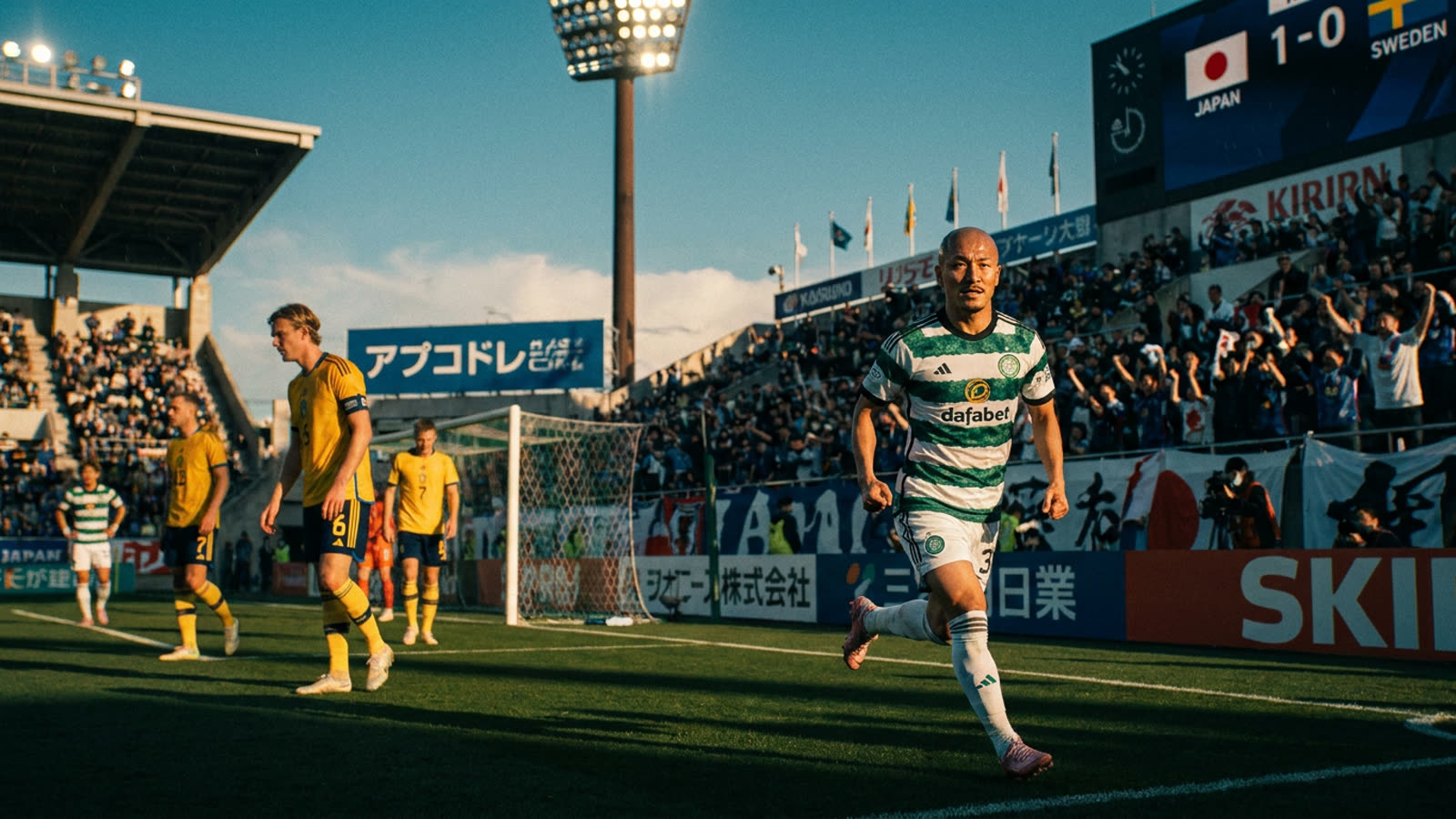
Group F produced no dominant force. Japan impressed with their pressing and technical precision, earning their place in the last sixteen with the most convincing performances of the trio. Sweden, rebuilt around a new generation after years of transition, showed enough defensive organization to survive. The Netherlands, by contrast, stumbled through like a side still searching for its identity.
Their midfield, once the envy of world football, has looked pedestrian. The wide play that should be their calling card has been predictable. Most concerning: they've been outworked in matches where superior talent should have made effort irrelevant. When a Dutch side is losing the battle of industry, something fundamental has gone wrong.
What the knockout rounds demand
Survival changes nothing about the underlying problems. The margins in knockout football are razor-thin, and teams that advance on vibes rather than form tend to find their luck runs out quickly. The Netherlands will likely face a side from Group E or Group G—opponents who, unlike their group-stage rivals, may actually punish their defensive lapses and sluggish transitions.
The coaching staff has perhaps a week to address issues that have persisted for months. Tactical adjustments are possible; cultural overhauls are not. Either this squad finds a gear they've hidden remarkably well, or they'll be booking early flights home.
Our take
There's a particular Dutch arrogance—not entirely unearned—that assumes class will eventually tell. Sometimes it does. But this Netherlands side has shown precious little evidence that they possess the class their history demands. They've qualified, and qualification matters. But watching them limp into the knockout rounds, one suspects they've merely delayed the inevitable reckoning. The World Cup has a way of exposing teams that survive on reputation rather than performance.