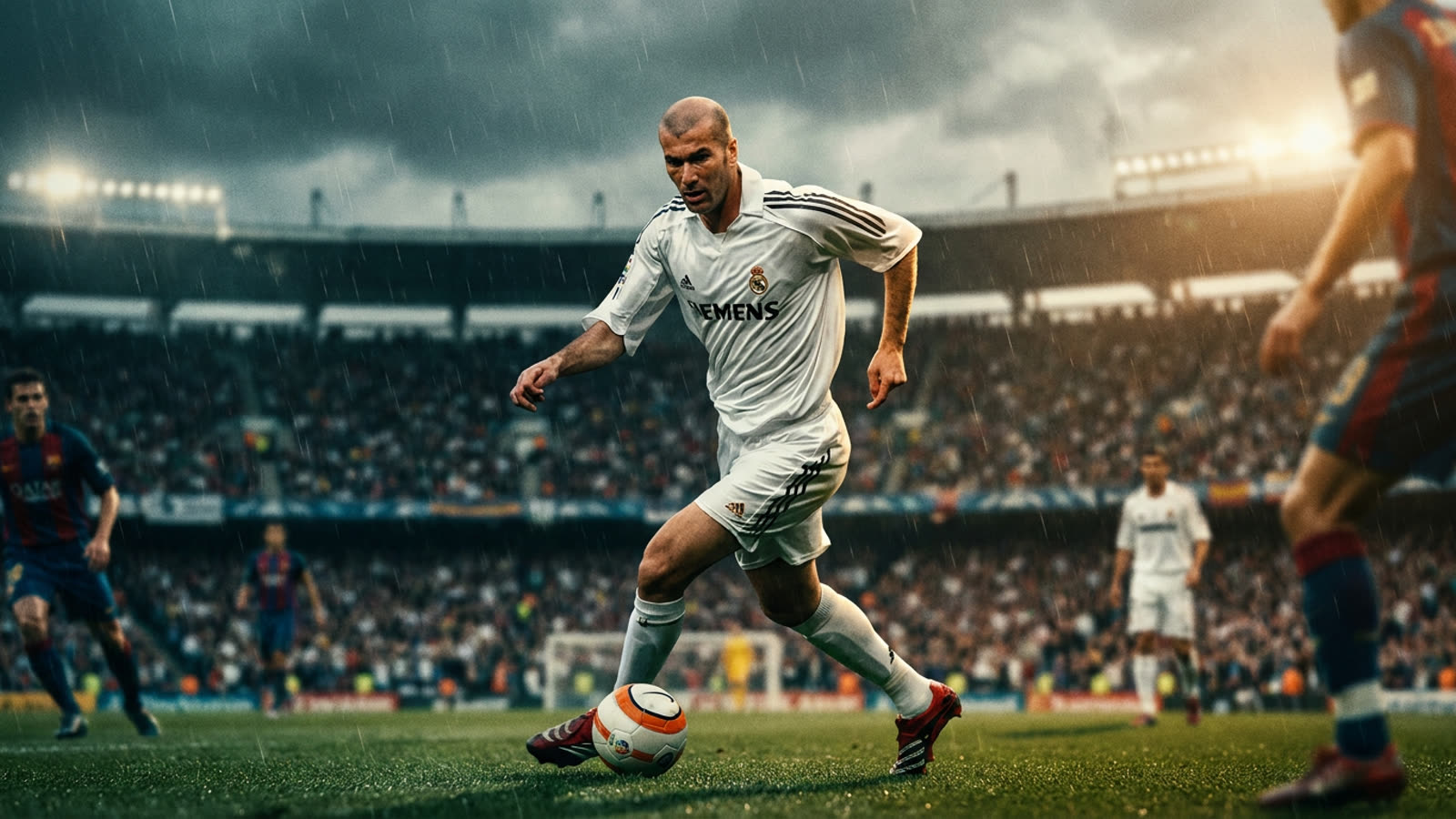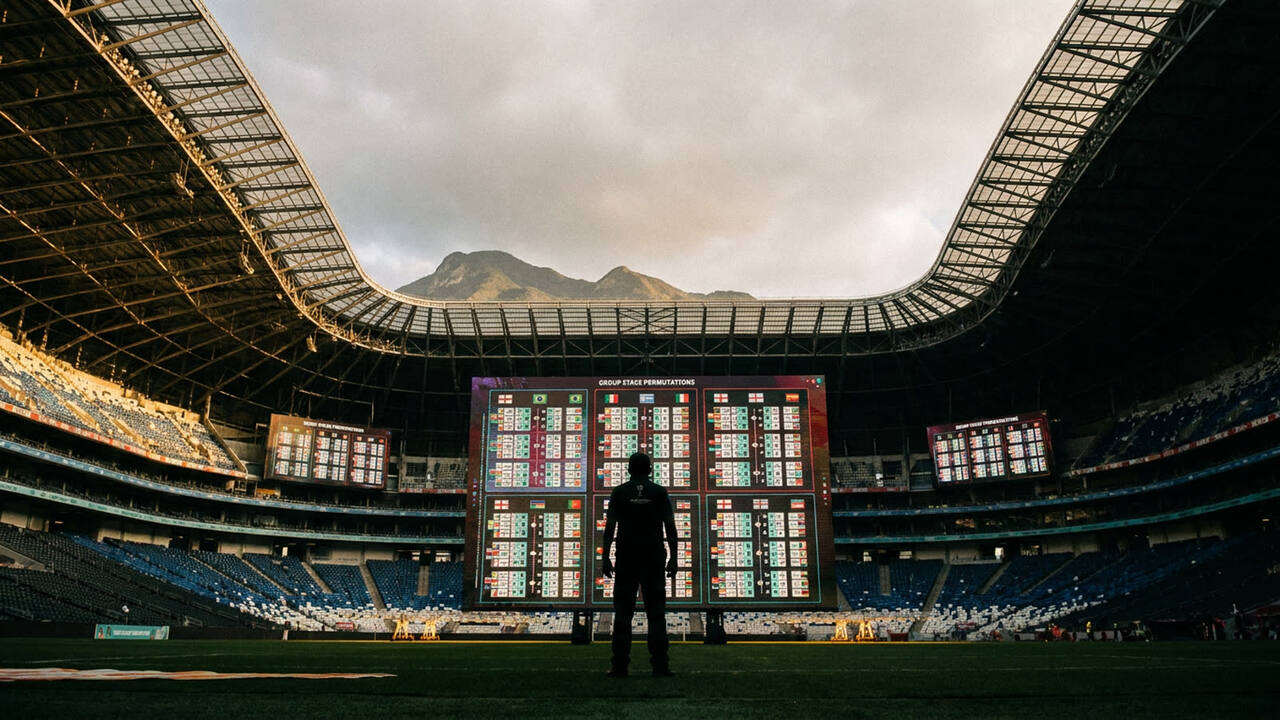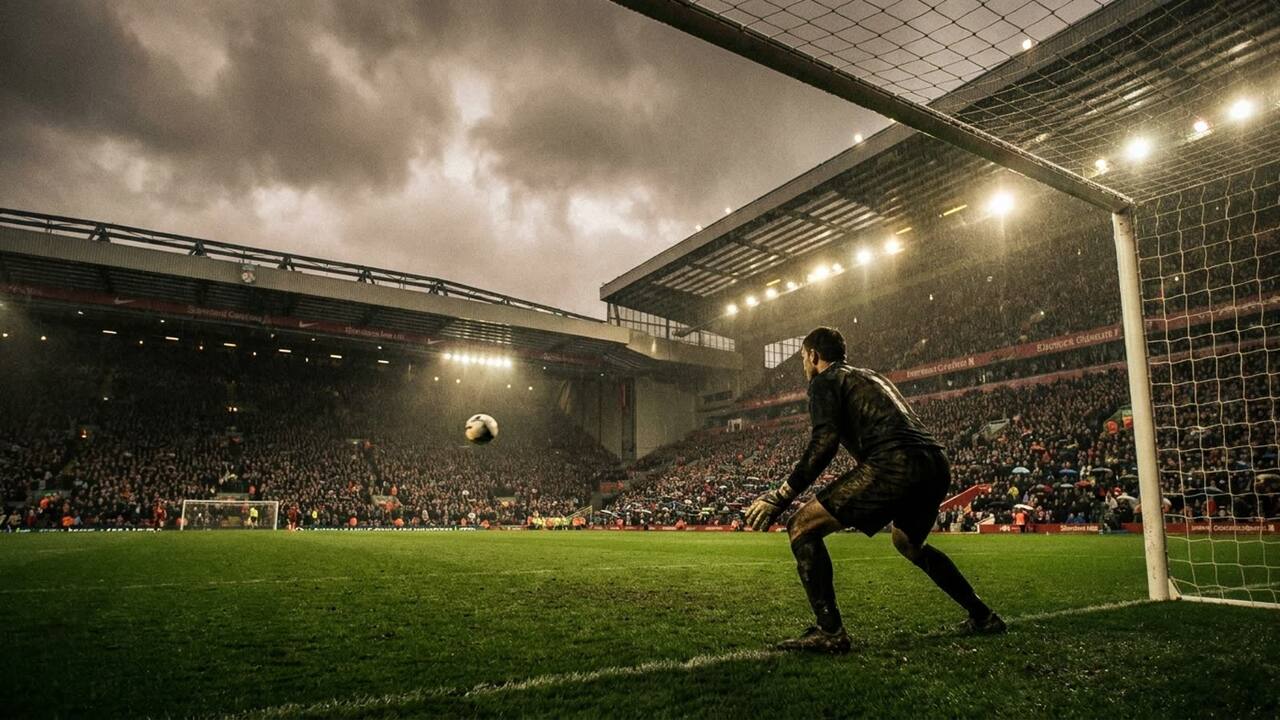
The 2026 World Cup is on pace to become the highest-scoring tournament in decades, yet the most replayed highlights aren't the goals — they're the saves. This is not a contradiction. It is the logical endpoint of football's tactical arms race, where the relentless optimization of attacking play has produced, as a necessary byproduct, a generation of goalkeepers who would make their predecessors look like amateurs.
The numbers tell only half the story. Matches are averaging well north of three goals per game, a figure that would have seemed absurd during the defensive cynicism of the 2010s. But the expected-goals models — those cold algorithmic assessments of what should have gone in — suggest the scorelines ought to be even more grotesque. The gap between xG and actual goals is being filled by men in gloves performing athletic feats that strain credulity.
The evolution was inevitable
Modern football asks its keepers to do things that would have gotten them benched a generation ago. They must sweep behind high defensive lines, distribute like midfielders, and read passing lanes like defenders — all while remaining capable of the traditional duty of stopping shots. The position has been completely reimagined, and the players who have risen to meet these demands are freakish hybrids of reflexes, footwork, and tactical intelligence.
The attacking revolution forced this. As teams learned to overload the box, to cut back from the byline, to work intricate combinations in tight spaces, goalkeepers had to shrink their angles with positioning rather than hoping for a telegraphed shot from twenty-five yards. The modern forward is comfortable shooting from anywhere, at any angle, with either foot. The modern keeper has had to become comfortable with everything else.
The tournament's quiet stars
Watch the group-stage highlights and you'll see the pattern. A Spanish combination carves through a defense, the finish is struck cleanly, and somehow a goalkeeper gets a fingertip to it. An African winger beats three men and fires toward the far post, and somehow a keeper covers the ground. The "somehow" is not luck. It is the product of training regimes, positional data, and physical preparation that have transformed what was once football's most static position into its most demanding.
The saves are spectacular because they have to be. Attackers are faster, more clinical, and better coached than ever. A keeper who merely stood on his line and reacted would be conceding five per match. The ones thriving in this tournament are the ones who have learned to anticipate, to gamble intelligently, to make themselves large at the precise moment a striker commits.
Our take
This World Cup is revealing something important about how excellence breeds excellence. Football's attacking renaissance was supposed to make goalkeeping a thankless, hopeless profession — a position for the brave and the doomed. Instead, it has produced the most skilled generation of keepers the sport has ever seen, athletes who have risen to meet an impossible standard by redefining what the position means. The goals are entertainment. The saves are art.