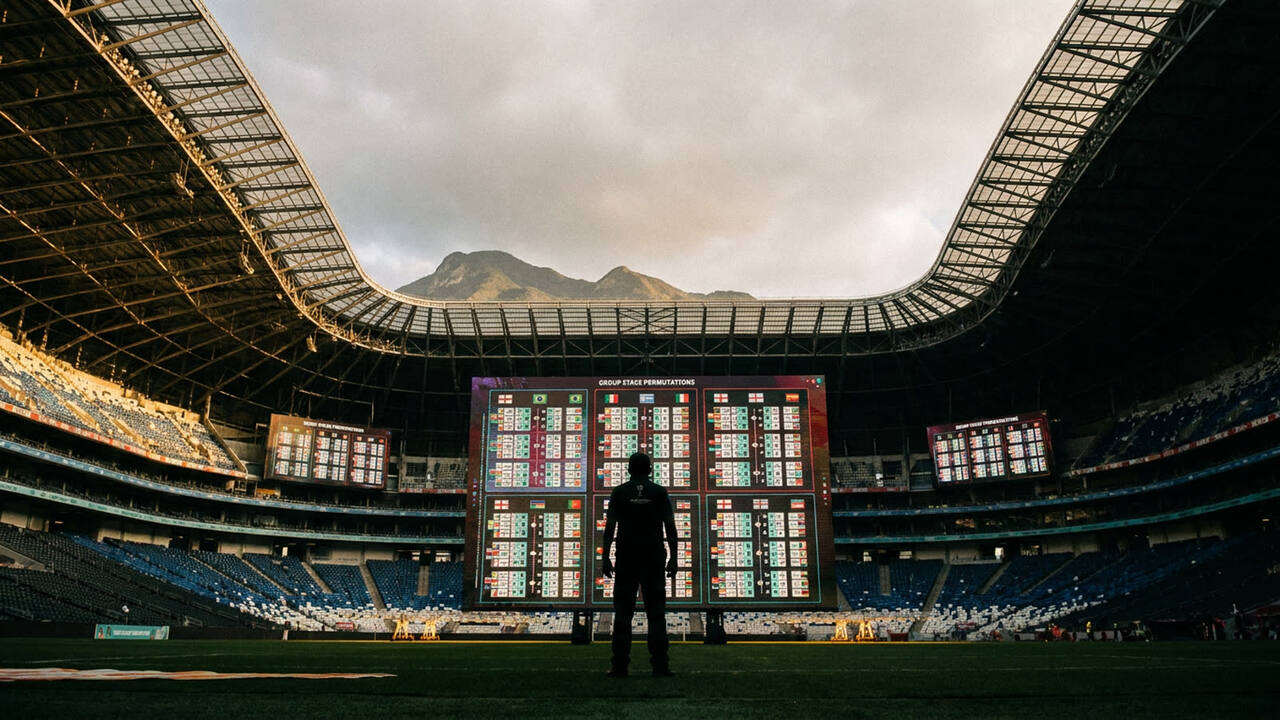
The 2026 World Cup was always going to be an exercise in logistical ambition — 48 teams across three host nations, more matches than any previous tournament, and a format that FIFA promised would increase drama without diluting quality. Two weeks into the group stage, the format has delivered on the first promise while the jury remains out on the second. What it has unquestionably produced is a qualification matrix so byzantine that even veteran football analysts are reaching for calculators.
The basic arithmetic sounds simple enough: the top two teams from each of the 12 groups advance automatically, plus the eight best third-place finishers. That gives us 32 teams in the knockout rounds, same as the old format but drawn from a much larger pool. The devil, as always, lives in the tiebreakers.
The third-place trap
The eight-best-third-place rule has introduced a peculiar dynamic that was largely absent from previous World Cups. Teams sitting third in their groups are no longer automatically eliminated — they are instead thrown into a cross-group comparison that weighs goal difference, goals scored, disciplinary records, and ultimately drawing of lots. This means a third-place team in a group with two dominant sides might advance with four points, while a third-place team in a more balanced group could be eliminated with the same tally.
The practical effect has been visible in how managers approach the final group matches. Where once a team needing a draw might park the bus contentedly, now even a comfortable third-place position demands attacking intent. Goal difference against the other eleven third-place teams matters as much as the result itself. We have seen several matches where teams leading comfortably continued pressing for goals they did not strictly need to win the game — they needed them to win the meta-game.
What the final matchdays require
The simultaneous kickoff rule, designed to prevent collusion in the final round of group matches, now applies across four teams rather than two. This creates scenarios where a team might be mathematically qualified, eliminated, or in limbo depending on events in a match they cannot see. Several groups entering their final matchday feature all four teams with theoretical paths to the knockout rounds — a situation that would have been mathematically impossible under the old format.
For the remaining undecided groups, the key numbers to watch are these: six points virtually guarantees advancement in any position. Four points with a positive goal difference is likely safe for third place. Three points puts a team at the mercy of results elsewhere. The expanded format has, paradoxically, made the margins both wider and more treacherous.
Our take
FIFA's gamble on expansion was always going to be judged by moments, not mathematics — the upset that captures imagination, the underdog run that justifies the bloated field. But the qualification complexity has introduced something genuinely new: uncertainty as entertainment. When supporters need a phone app to know whether their team is through, the tournament has become a different kind of spectacle. Whether that is progress depends entirely on whether you came for football or for drama. The 2026 World Cup is making a strong case that the two are not always the same thing.