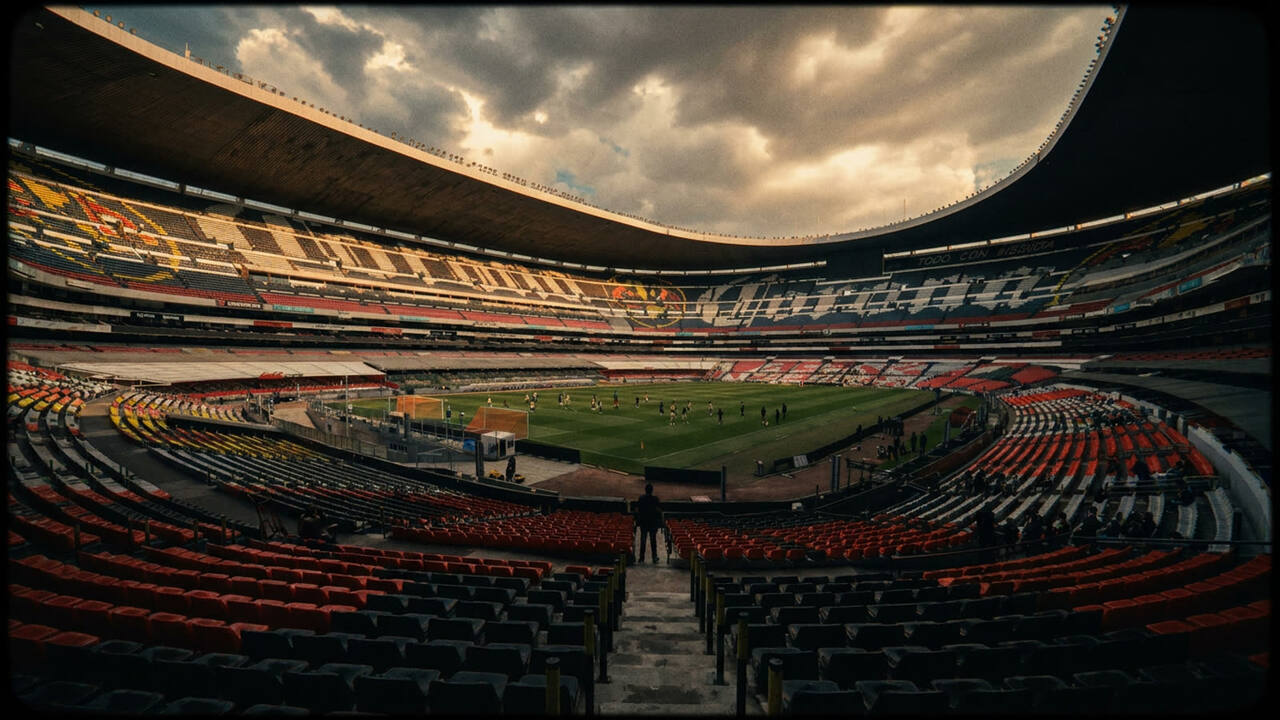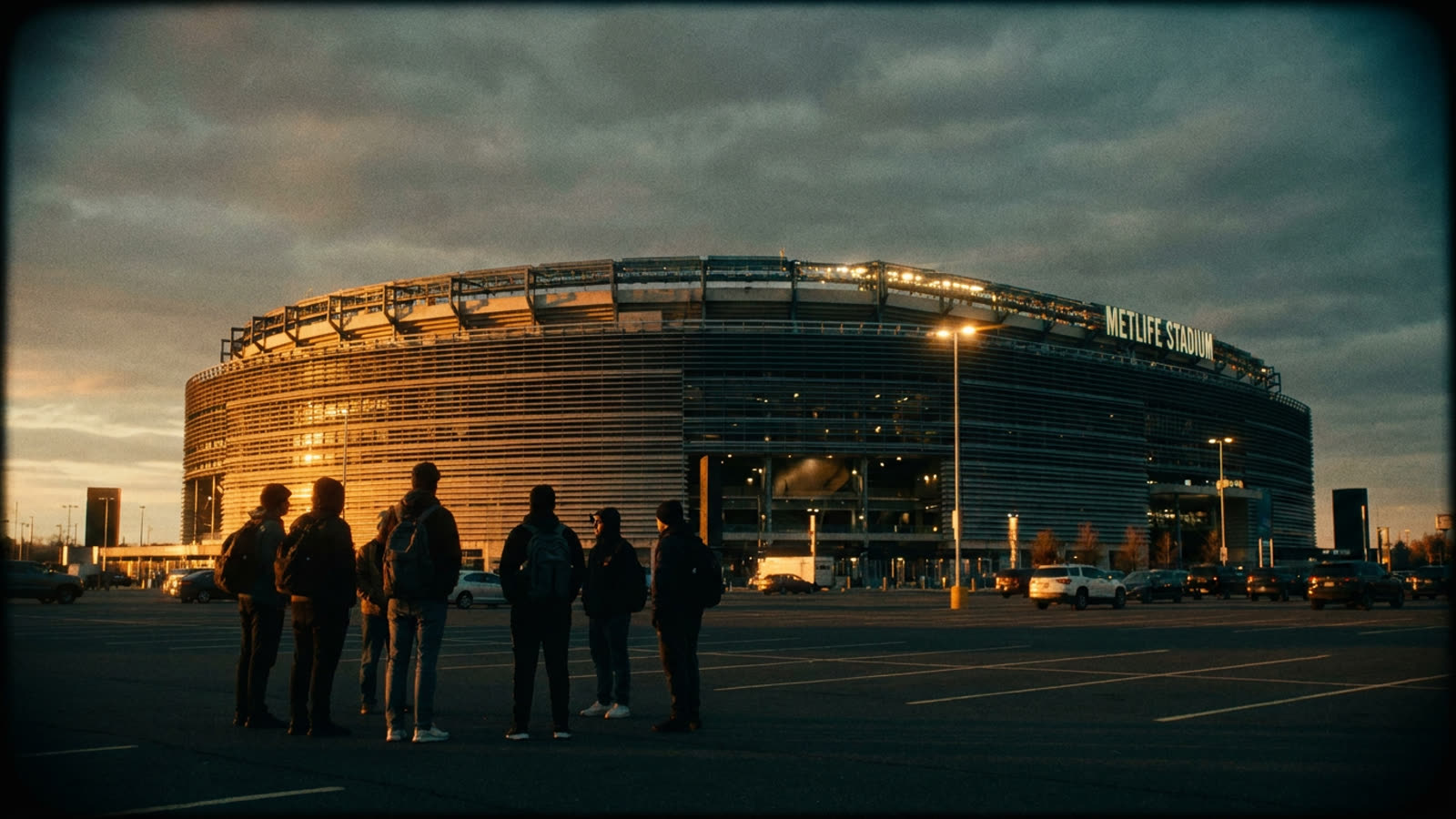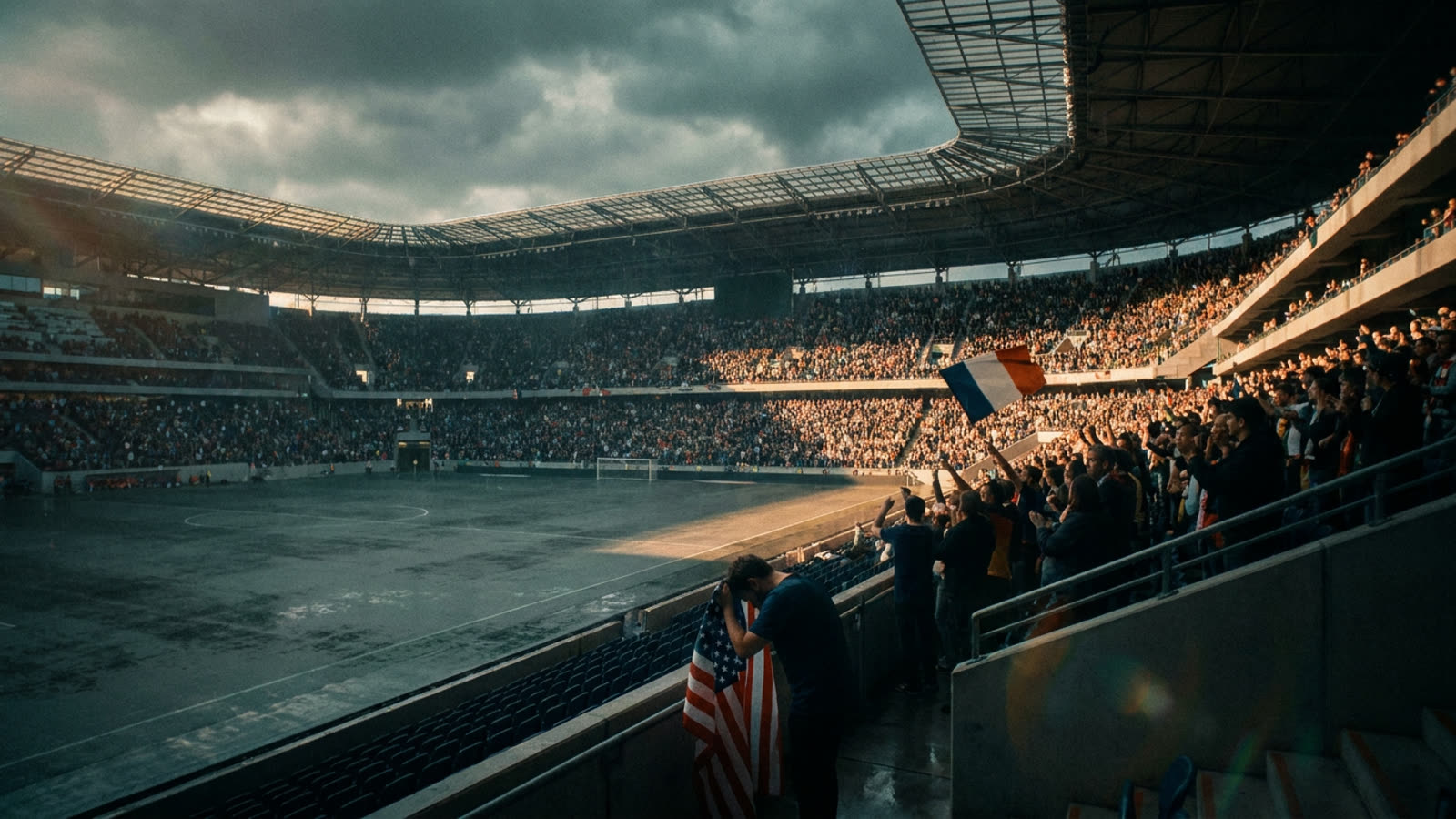
The quadrennial ritual of expert prediction has produced its 2026 vintage, and the results tell us less about who will lift the trophy in New Jersey on July 19 than about the anxieties and assumptions of the forecasting class itself. Nineteen ESPN analysts have submitted their brackets, and the distribution of picks reads like a psychological profile of soccer punditry in the post-Messi, post-Ronaldo era.
The favorites are familiar: Spain, France, Argentina, and Brazil command the bulk of expert confidence, with England and Germany drawing scattered support. What's notable is not the names but the clustering. Despite a 48-team field that theoretically widens the competitive aperture, the expert consensus has narrowed. The expanded format, it seems, has not expanded imaginations.
The host-country problem
Perhaps the most telling feature of the predictions is what's missing: virtually no one is picking the United States to win on home soil. This is not irrational—the USMNT has never advanced past the quarterfinals—but it represents a striking departure from the usual pundit tendency to flatter the host nation. When experts decline to make the sentimental pick, they're telling you something about perceived ceilings.
The American soccer project has spent two decades promising arrival. The 2026 tournament was always the target date, the moment when infrastructure, investment, and a golden generation would converge. That the forecasting class has collectively shrugged suggests the arrival narrative has lost its believers, at least among those paid to know.
The European fortress
The concentration of picks among European sides—Spain, France, England, Germany—reflects a structural reality that the expanded field cannot obscure. UEFA's depth remains unmatched; its clubs still employ the world's best players; its tactical sophistication sets the global standard. South American powers Argentina and Brazil remain credible, but they're increasingly playing catch-up in the coaching and tactical arms race.
This is the paradox of World Cup expansion: more teams, same winners. FIFA's democratizing impulse has added participants without redistributing competitive equity. The tournament is bigger; the title race is not.
Our take
Expert predictions are performative documents. They reveal what the forecaster thinks is defensible, not necessarily what they believe is true. The 2026 consensus—European favorites, South American dark horses, American afterthought—is the safest possible portfolio. It will likely prove correct in its broad strokes and wrong in its specifics. The beauty of the World Cup has always been its capacity to humiliate the prepared mind. Somewhere in the 48-team bracket, a team no one picked is preparing to make fools of us all.