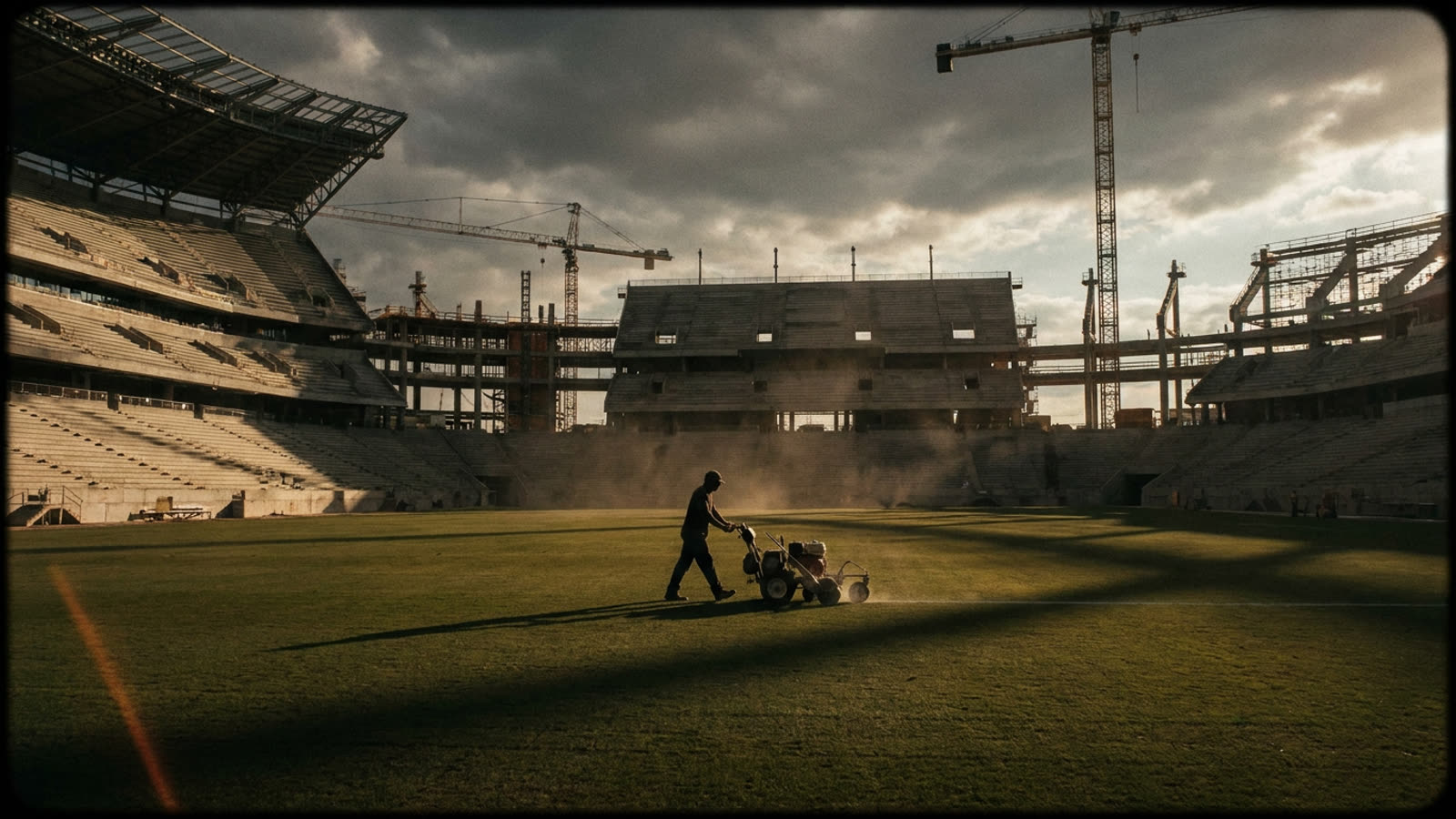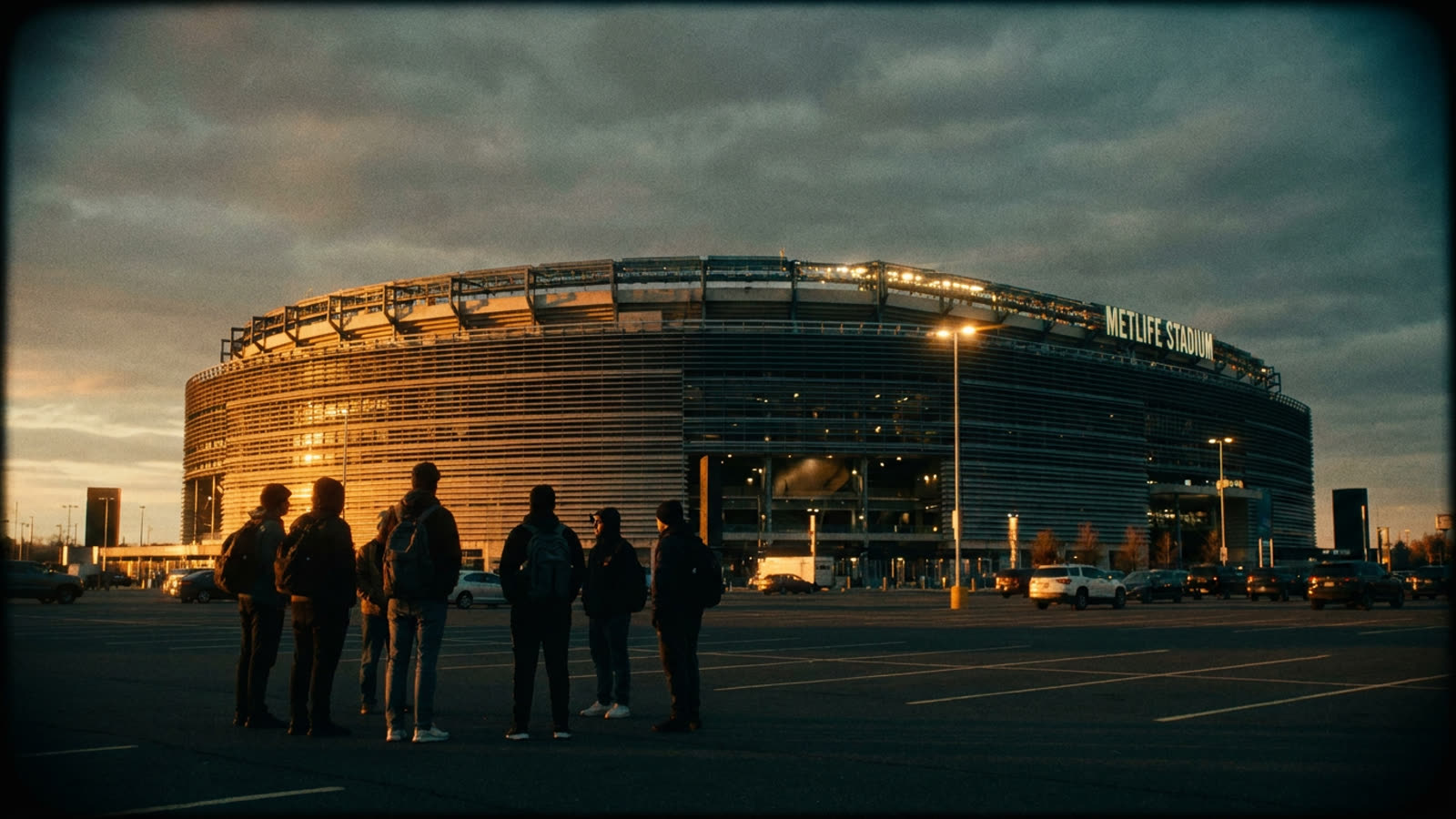
The 2026 World Cup has spent the better part of two years being discussed in terms of spreadsheets rather than sport. Forty-eight teams. Sixteen host cities across three countries. A format so convoluted that FIFA itself seemed unsure how to explain it. The conversation has been dominated by infrastructure concerns, ticket chaos, and the nagging sense that this tournament was designed by committee for television executives rather than for the people who actually love football.
Tomorrow, mercifully, actual matches begin. And with them comes the possibility — perhaps even the probability — that none of the logistical hand-wringing will matter.
The redemption arc of competitive football
World Cups have a peculiar ability to transcend their own organizational failures. The 2014 tournament in Brazil was preceded by protests, unfinished stadiums, and genuine fears of catastrophe. What followed was one of the most memorable competitions in the sport's history — Germany's 7-1 demolition of the hosts, James Rodríguez's emergence as a global star, and a final that had 1 billion people watching. The football erased the anxiety.
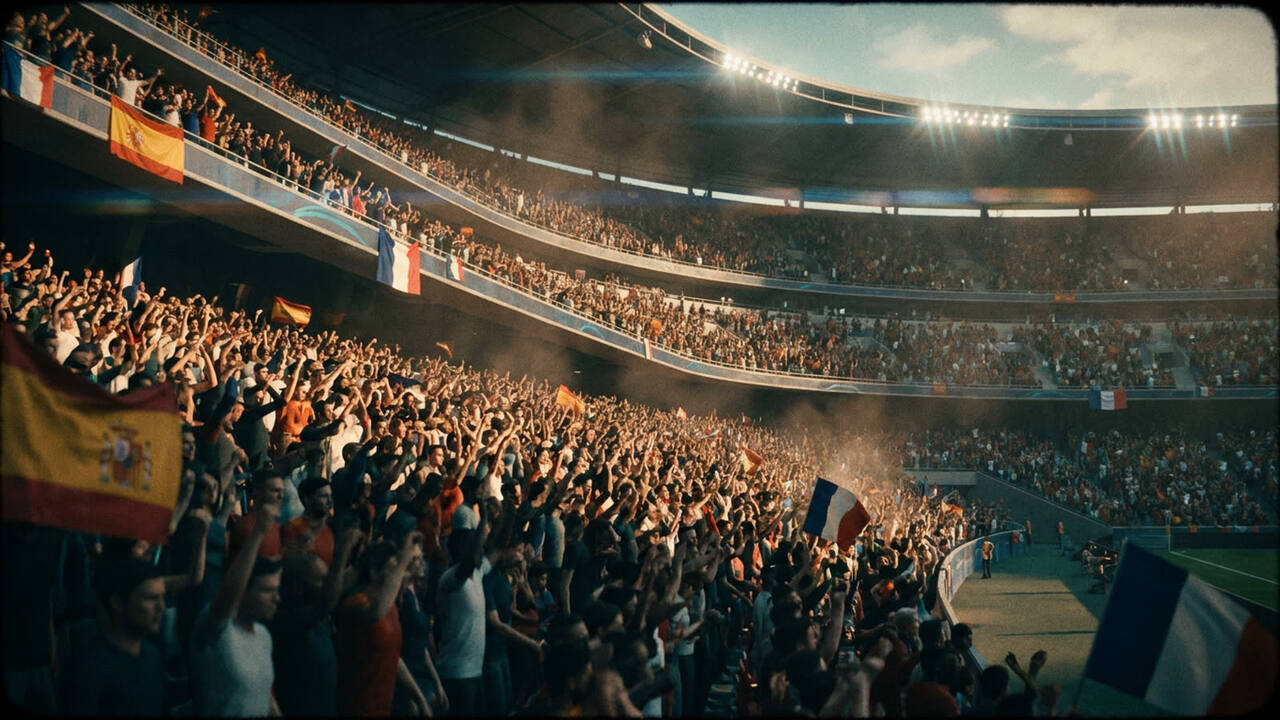
The same dynamic is now in play for 2026. Spain and France enter as the betting favorites, but the expanded field means more potential for chaos. Saudi Arabia, Japan, and the United States all have squads capable of producing the kind of upset that defines a tournament. The group stage, despite its unwieldy 48-team structure, will deliver more matches in a shorter window than any previous World Cup — a content firehose that could overwhelm skeptics with sheer volume of drama.
Why the timing matters
The tournament arrives at a moment when global attention is fractured across wars, economic uncertainty, and political dysfunction. The World Cup has historically served as a collective exhale — a month when the world agrees to care about the same thing at the same time. Whether that function still works in an era of fragmented media and algorithmic feeds is an open question, but FIFA is betting that football remains the one language that needs no translation.
The American host cities, in particular, have something to prove. Soccer's growth in the United States has been a story told in marketing decks for three decades; this tournament is the first real test of whether the sport can command mainstream American attention when it matters most. Early ticket sales suggest genuine demand, but the proof will be in the stadium atmospheres and television ratings over the coming weeks.
Our take
The 2026 World Cup may be the most over-engineered sporting event in history, but that engineering becomes irrelevant the moment the first ball is kicked. Football has always been bigger than the institutions that try to contain it. If Spain and France deliver the quality their rosters promise, if an underdog produces a miracle run, if a single goal in a single match captures the imagination of a billion people — then all the complaints about format and logistics will fade into footnotes. The tournament needed a vibe shift. The matches, starting tomorrow, are the only thing that can provide it.