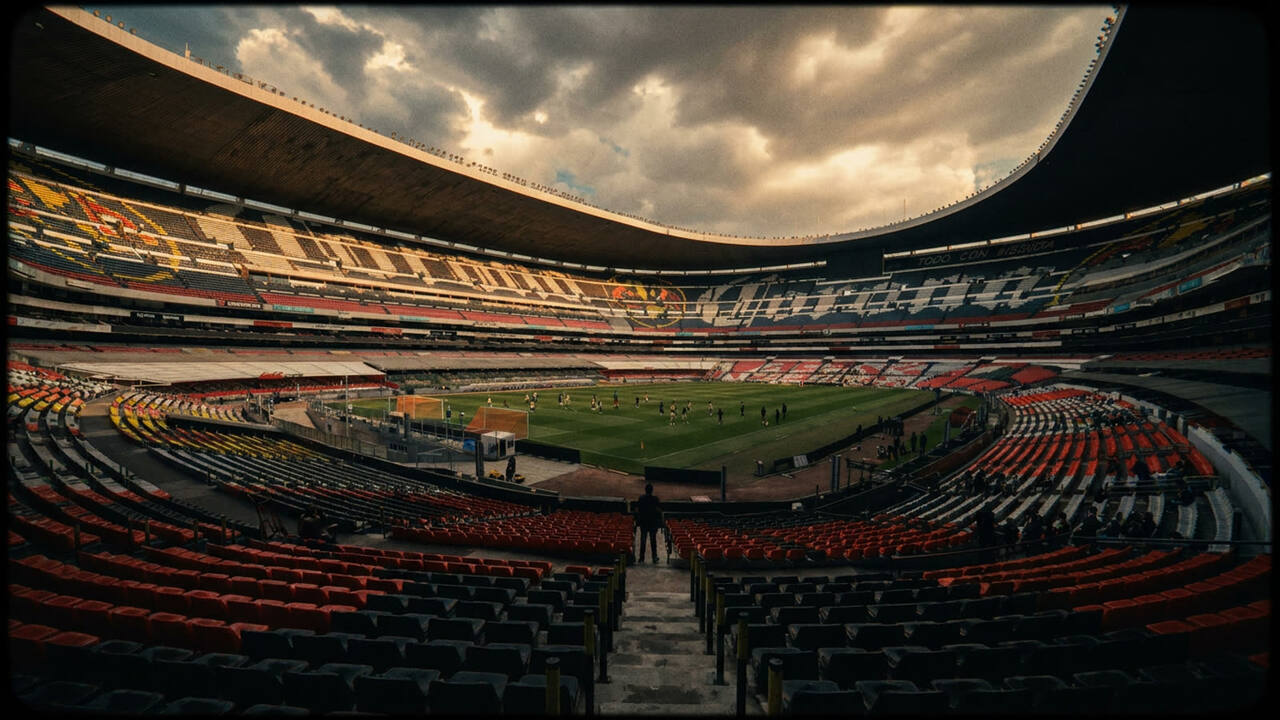
There is a case to be made that Estadio Azteca is the most important football stadium on Earth. Not the best — that argument belongs to newer, shinier venues with functioning plumbing and seats that don't occasionally collapse. But importance is measured in accumulated meaning, and no ground has accumulated more World Cup meaning than the 87-year-old colossus in Mexico City's south.
On Thursday, when Mexico faces an opponent yet to capture global imagination in the tournament's opening fixture, Azteca will become the first stadium in history to host World Cup matches across three different tournaments. It staged the 1970 final, where Pelé's Brazil played perhaps the most beautiful football ever committed to television. It hosted the 1986 final, where Maradona completed his one-man conquest of the sport. Now it opens 2026, creaking and magnificent and utterly irreplaceable.
The weight of ghosts
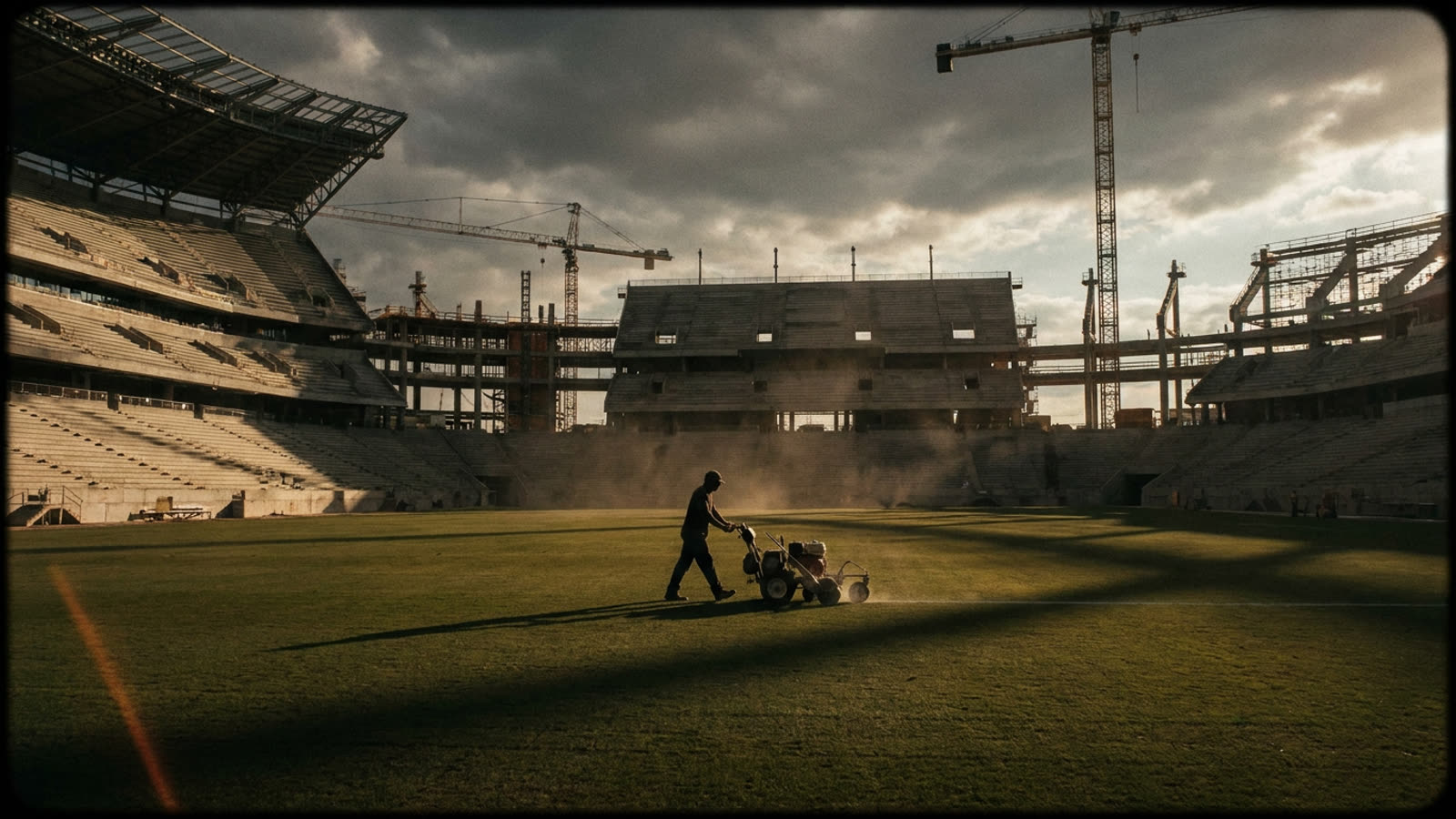
FIFA's decision to award Azteca the opening match was not purely sentimental, though sentiment certainly played its part. The stadium underwent a reported $200 million renovation ahead of the tournament, addressing decades of deferred maintenance that had left sections of the upper deck structurally questionable. The playing surface — notoriously difficult due to Mexico City's altitude and pollution — has been replaced with a hybrid grass system similar to those used in European venues.
But the real reason Azteca opens the World Cup is simpler: no other stadium offers the same narrative gravity. The Rose Bowl hosted a final. Wembley has hosted two. Azteca alone has witnessed both the zenith of collective football beauty and the zenith of individual football genius, four years apart, on the same patch of grass. When Pelé headed Brazil's fourth goal past Italy in 1970, he was standing roughly where Maradona would later nutmeg three England defenders before scoring what remains the greatest goal in World Cup history.
A divided continent's complicated showcase
The 2026 tournament is North America's first World Cup since 1994, and the first ever to span three countries. The political symbolism is unavoidable. Mexico, the United States, and Canada submitted a joint bid premised on continental unity, then spent the intervening years engaged in trade disputes, border crises, and rhetorical hostility that made the original pitch feel almost quaint.
Azteca's opening-match assignment carries particular weight given Mexico's complicated relationship with its northern co-hosts. The stadium has long been a fortress of Mexican football identity — a place where visiting teams, particularly American ones, have historically been subjected to atmospheric hostility that borders on the theatrical. The altitude alone (7,200 feet) has undone countless opponents. The crowd noise, famously, once registered on seismographs.
Whether that fortress energy translates to a tournament where Mexico is technically co-hosting remains unclear. The dynamic of playing at home while sharing hosting duties with a rival introduces psychological variables that have no historical precedent.
Our take
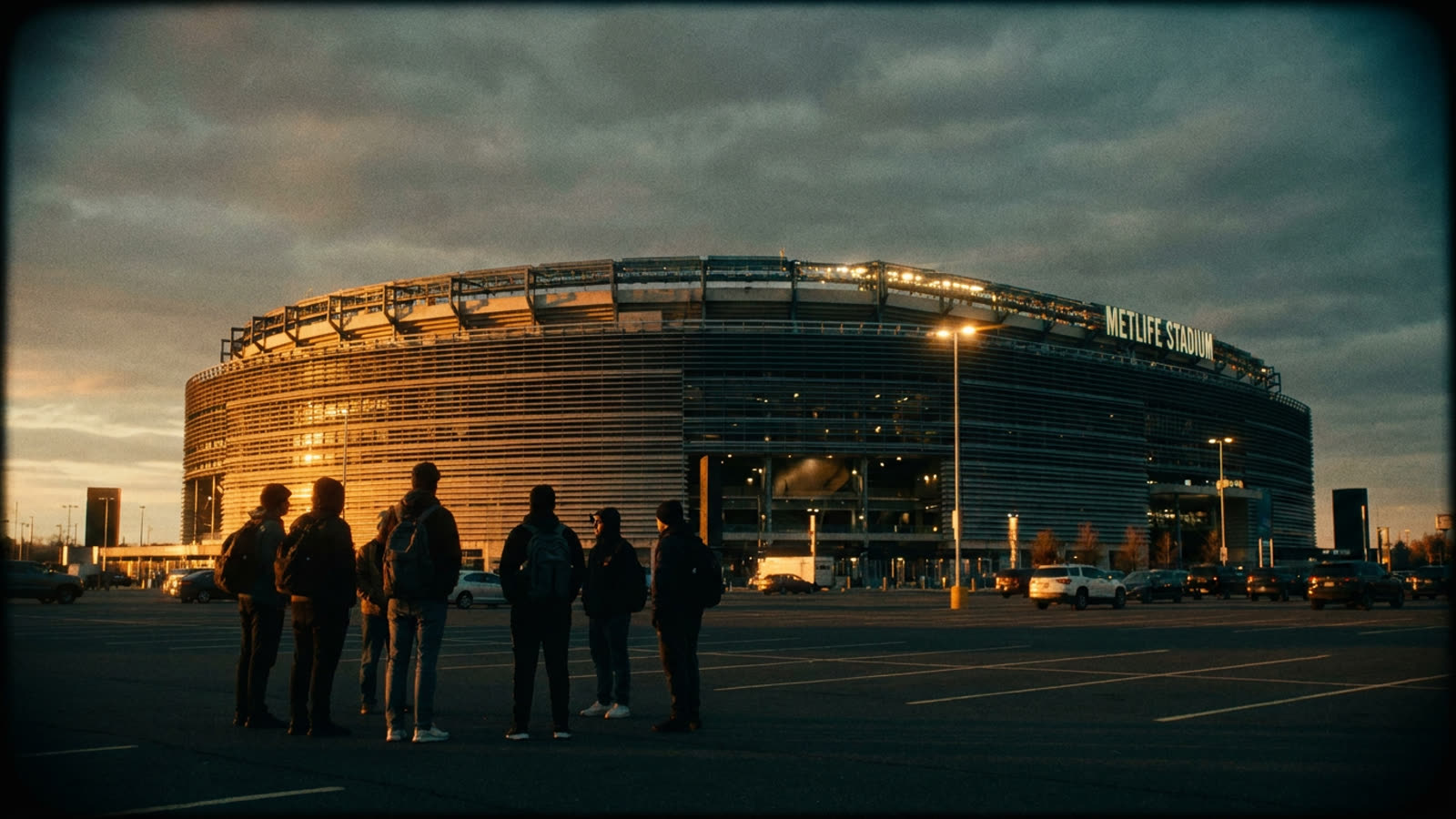
FIFA could have opened this World Cup anywhere — at MetLife Stadium with its corporate sheen, at SoFi with its billionaire-funded perfection, at any of the gleaming American venues that represent football's financial future. Instead, they chose a stadium that represents football's spiritual past, a building that looks its age and wears its history like scar tissue. It is the right call. The 48-team format, the three-country hosting arrangement, the expanded group stage — all of it threatens to dilute the World Cup's concentrated magic. Opening at Azteca is FIFA's acknowledgment that some things cannot be manufactured, only inherited. The ghosts of Pelé and Maradona will be watching. So will everyone else.