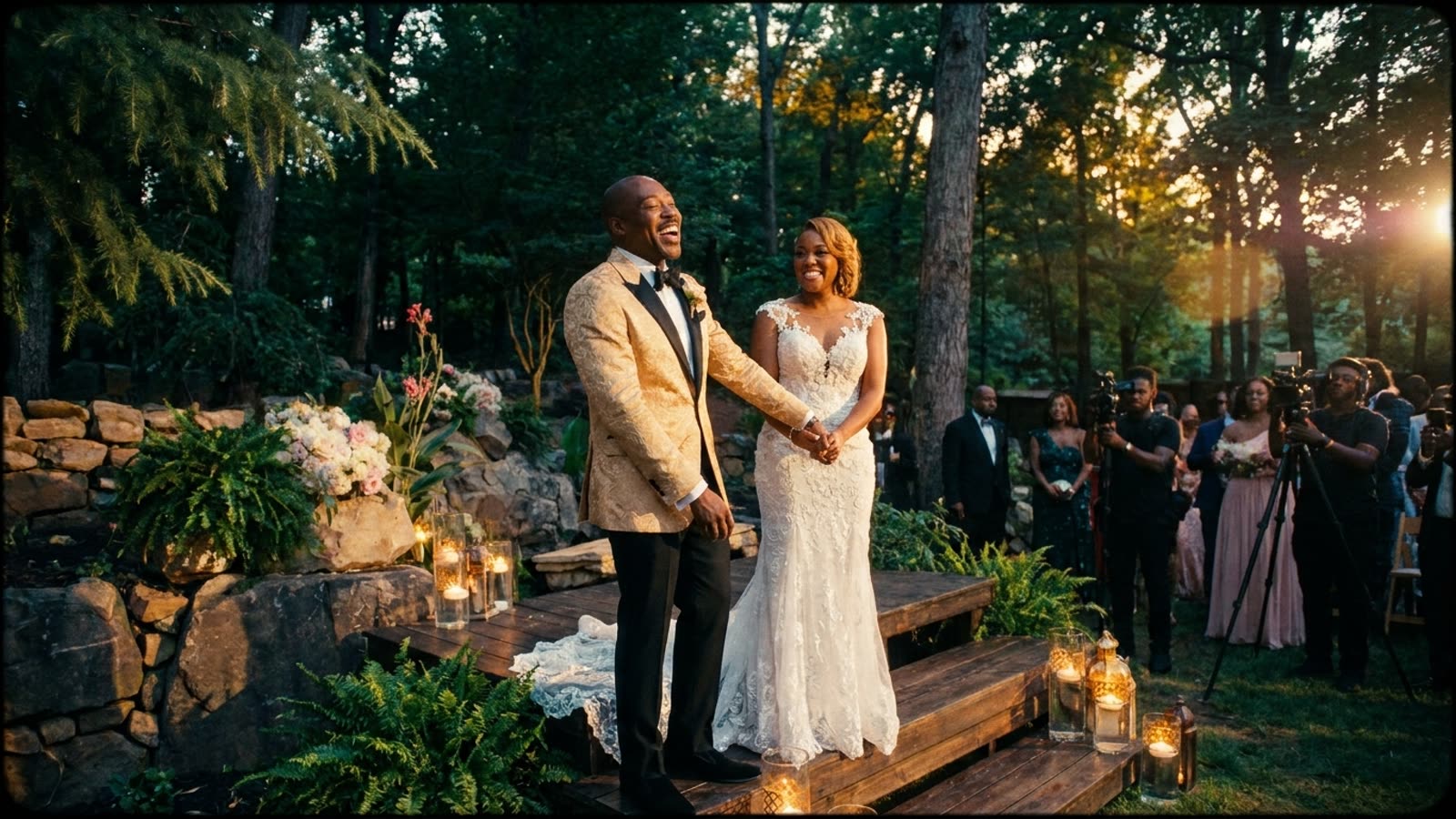
In an election season defined by celebrity caution, Will Packer is doing something almost quaint: he is showing up. The producer behind billion-dollar franchises like Think Like a Man and Girls Trip has been crisscrossing battleground states, taking stages to urge voter participation while simultaneously launching a private fundraising campaign for historically Black colleges and universities. In an industry where publicists now advise clients to post nothing more controversial than a sunrise, Packer's visibility reads as either principled or reckless, depending on whom you ask.
The calculus of silence
Hollywood's political reticence in 2026 is not accidental. The backlash economy has matured. Studios track social sentiment the way they once tracked test screenings, and talent agencies have learned that a single misread tweet can crater a press tour. The result is a generation of A-listers who would rather post a pumpkin than a polling place. Packer, whose production company has grossed over two billion dollars domestically, has enough leverage to absorb the risk — but leverage alone does not explain the choice. He has been explicit: silence, in his view, is a luxury Black producers cannot afford.
The HBCU play
The fundraising campaign is arguably more interesting than the stump speeches. Packer is soliciting commitments from entertainment executives, athletes, and tech founders for direct, unrestricted gifts to HBCUs — bypassing the traditional endowment model in favor of operational support. The pitch is blunt: these institutions produced Oprah Winfrey, Spike Lee, and Packer himself, yet remain chronically underfunded compared to predominantly white institutions. Early commitments reportedly run into eight figures, though Packer's team has declined to confirm totals until a formal announcement in November.
Why now
The timing is strategic. Midterm turnout among young Black voters has historically lagged presidential cycles, and HBCUs sit in states — Georgia, North Carolina, Texas — where margins matter. Packer is betting that visibility begets visibility: that his presence on a stage in Atlanta gives local organizers a news hook, and that the HBCU campaign gives donors a non-partisan vehicle to engage. Whether the bet pays off depends on metrics no one will see until November 5.
Our take
Packer is not a revolutionary; he is a pragmatist who has decided that pragmatism, right now, requires noise. The HBCU initiative is the more durable move — institutions outlast news cycles — but the voter-turnout work is what distinguishes him from peers who write checks and stay home. In a town that has convinced itself neutrality is safety, Packer is testing whether conviction still sells.