The Aperol Spritz is not a serious drink. This is precisely why it won.
In an era when cocktail culture has become exhaustingly performative—when bartenders in suspenders lecture customers about ice provenance and mezcal terroir—the Spritz arrived like a permission slip. It is orange. It is fizzy. It photographs beautifully at golden hour. It tastes like summer vacation even when consumed in February in a fluorescent-lit airport lounge. And it requires no expertise to order, no password, no knowledge of pre-Prohibition bitters. You simply point at the bright orange thing someone else is drinking and say, "I'll have that."
The drink's global conquest is one of the more improbable stories in beverage history. Aperol, the bitter orange liqueur at its heart, was invented in Padua in 1919 and spent decades as a regional curiosity, consumed mainly by older Italians in the Veneto who took their aperitivo rituals seriously. The Spritz format itself—wine, bitter liqueur, soda—dates back to the Habsburg occupation of northeastern Italy, when Austrian soldiers found local wines too strong and asked bartenders to "spritzen" them with water.
The accidental export
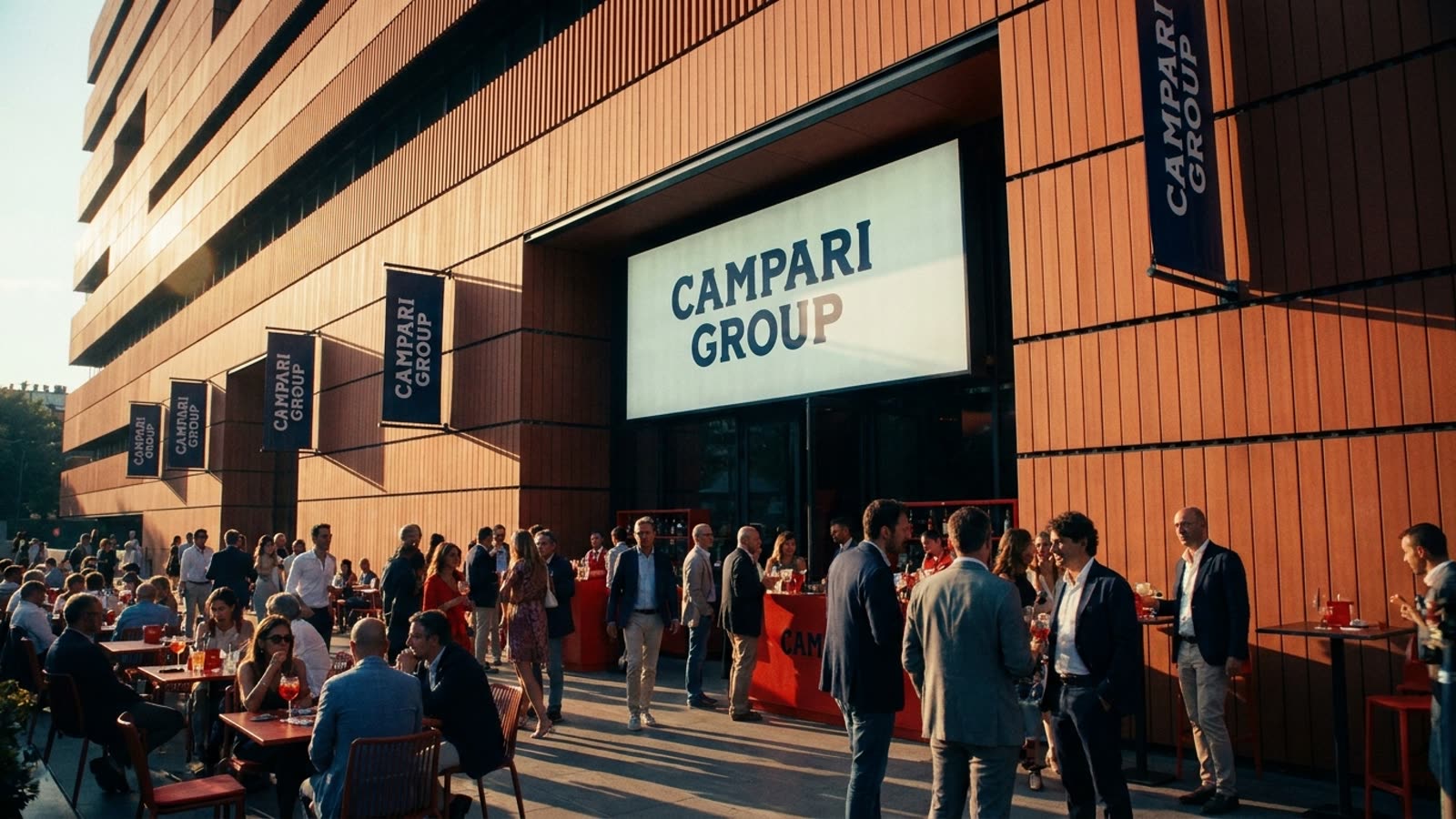
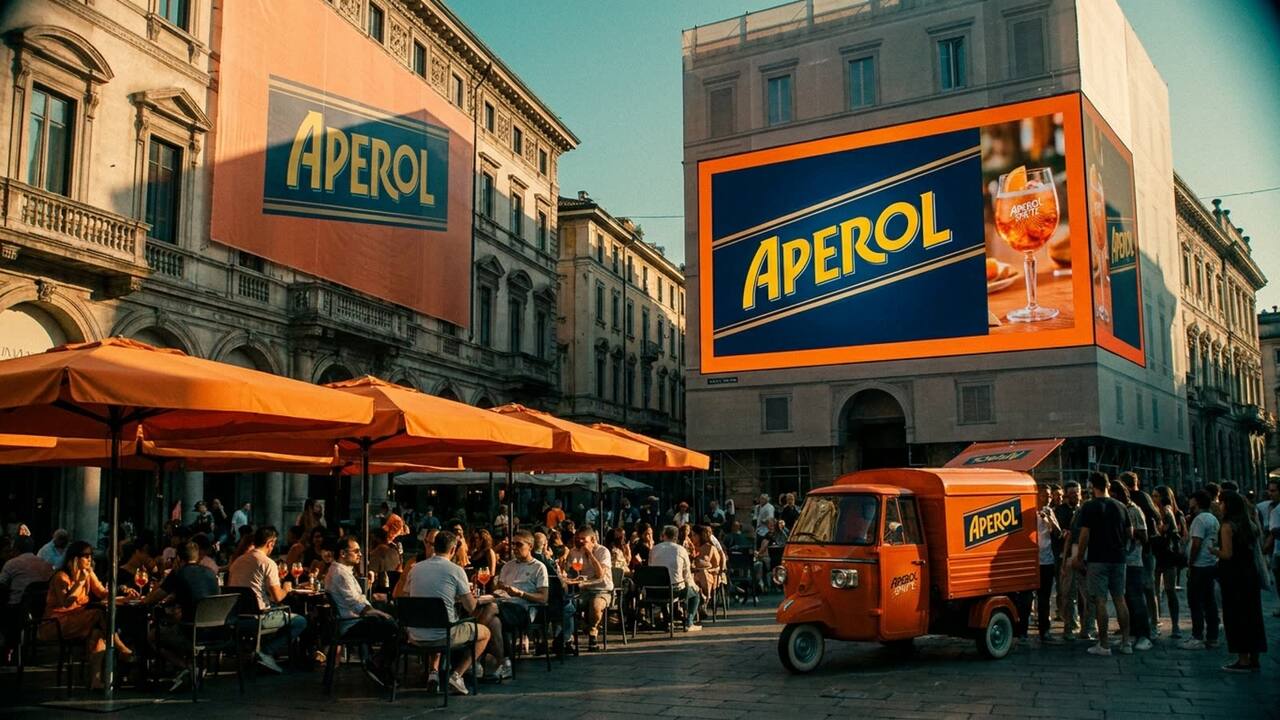
For most of the twentieth century, nobody outside Italy cared. Aperol's parent company, Campari Group, tried various marketing pushes with limited success. Then something shifted. Budget airlines made Venice and Milan weekend destinations for young Europeans. Instagram launched. And suddenly, the Spritz's greatest liability—its aggressive, almost cartoonish orangeness—became its supreme asset.
The drink is engineered for the camera. The specific Pantone of Aperol, somewhere between traffic cone and sunset, pops against any background: marble tabletop, canal water, white linen. The oversized wine glass, the fat orange slice, the condensation beading on the glass—it all reads as aspiration, as leisure, as a life where one has time to sit in piazzas and watch the light change. The Spritz became less a beverage than a lifestyle signifier, a visual shorthand for a certain kind of European ease that most drinkers were approximating rather than actually living.
The backlash that backfired
In 2019, The New York Times published an opinion piece declaring the Aperol Spritz "not a good drink," calling it "a bitter, non-committal, low-alcohol spritzer." The piece generated immediate and furious response. Spritz loyalists treated it as an attack on joy itself. Sales, predictably, spiked. The controversy revealed something important: people were not drinking the Spritz because they thought it was a sophisticated cocktail. They were drinking it because it was easy and pretty and made them feel like they were on vacation. Telling them it wasn't "good" was beside the point entirely.
The drink's low alcohol content—typically around 8 percent—turns out to be a feature, not a bug. It is a cocktail you can drink two or three of without abandoning your afternoon plans. It is appropriate at 4 p.m. in a way that a Negroni is not. It has become the default order for a generation that wants the ritual of drinking without the commitment to actual intoxication.
Our take
The Spritz's dominance says less about the drink itself than about what we now want from cocktails: permission rather than education, vibe rather than craft. The serious cocktail renaissance of the early 2000s taught us to respect bartenders as artists and spirits as worthy of connoisseurship. The Spritz taught us that sometimes you just want something orange and cold that looks good on your phone. Both impulses are valid. The Spritz simply had better timing.