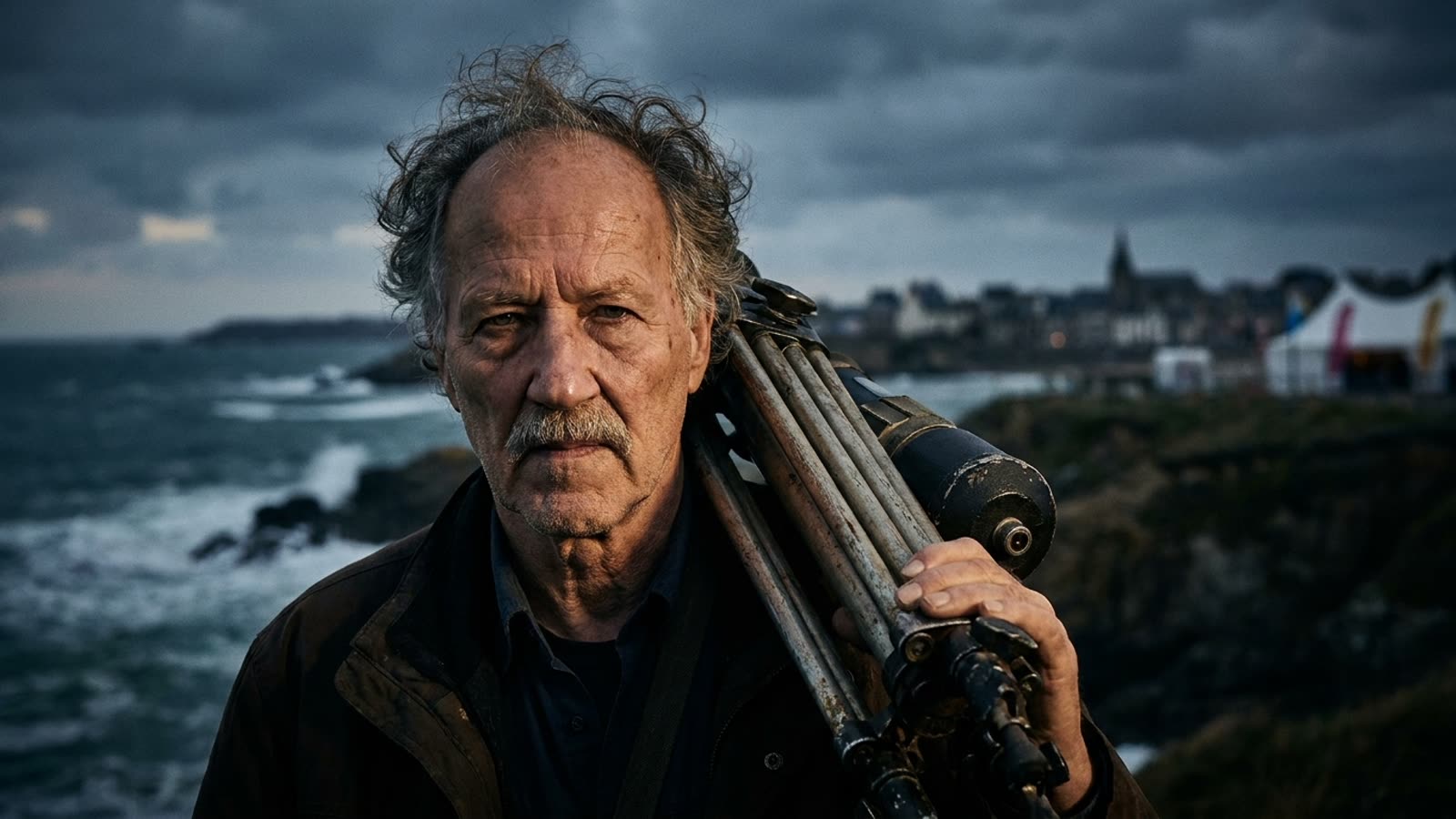
Werner Herzog does not negotiate with film festivals, and Cannes just learned this the hard way.
The German director's latest feature, the provocatively titled "Bucking Fastard," was offered an official selection slot at this year's festival—a considerable honor by any reasonable measure. Herzog declined. The reason: Cannes wanted to screen the film outside competition, denying it a shot at the Palme d'Or. For a filmmaker of Herzog's stature and temperament, this was apparently unacceptable.
The politics of prestige
Cannes operates on a tiered system that most filmmakers accept without complaint. The main competition is the summit—fourteen to twenty films vying for the Palme. Below that sits a constellation of sidebars: Un Certain Regard, Directors' Fortnight, out-of-competition premieres. An out-of-competition slot still means a Cannes premiere, red carpet access, and the festival's imprimatur. For most directors, this would be more than enough.
Herzog is not most directors. At 83, with a filmography spanning six decades and including "Aguirre, the Wrath of God," "Fitzcarraldo," and the documentary "Grizzly Man," he has nothing left to prove and no incentive to accept what he apparently views as a consolation prize. His calculation seems clear: better to premiere elsewhere with full honors than to accept Cannes's second-best offer.
What this says about the festival
The incident exposes an awkward truth about Cannes's relationship with living legends. The festival needs prestige names to maintain its cultural dominance, but it also guards its competition slots jealously, reserving them for films it believes will generate heat and controversy. Herzog's film, whatever its merits, may not have fit artistic director Thierry Frémaux's vision for this year's lineup.
But there's a risk in this approach. When a director of Herzog's caliber publicly refuses your invitation, it suggests the festival's brand may not be as unassailable as it once was. Venice, Toronto, and Berlin are all eager to welcome films that Cannes passes over or mishandles.
Our take
Herzog's move is characteristically blunt and entirely correct. He has spent a lifetime dragging boats over mountains and eating his own shoe on camera; he is not going to pretend that an out-of-competition slot is a prize worth accepting. Cannes will survive this minor embarrassment, but the festival might want to consider whether its elaborate hierarchy of sections has become a liability. When your system forces you to lowball Werner Herzog, the system might be the problem.