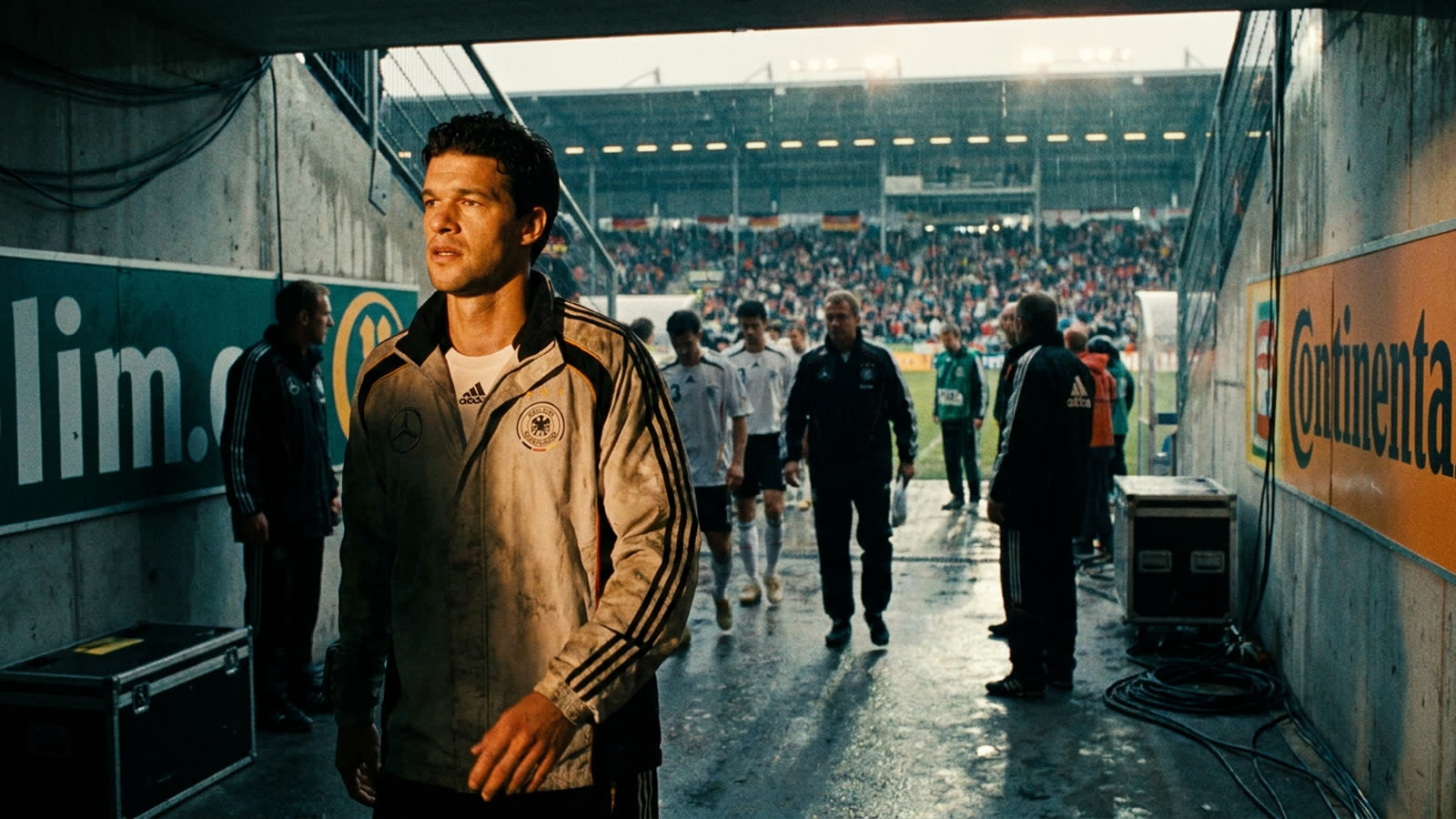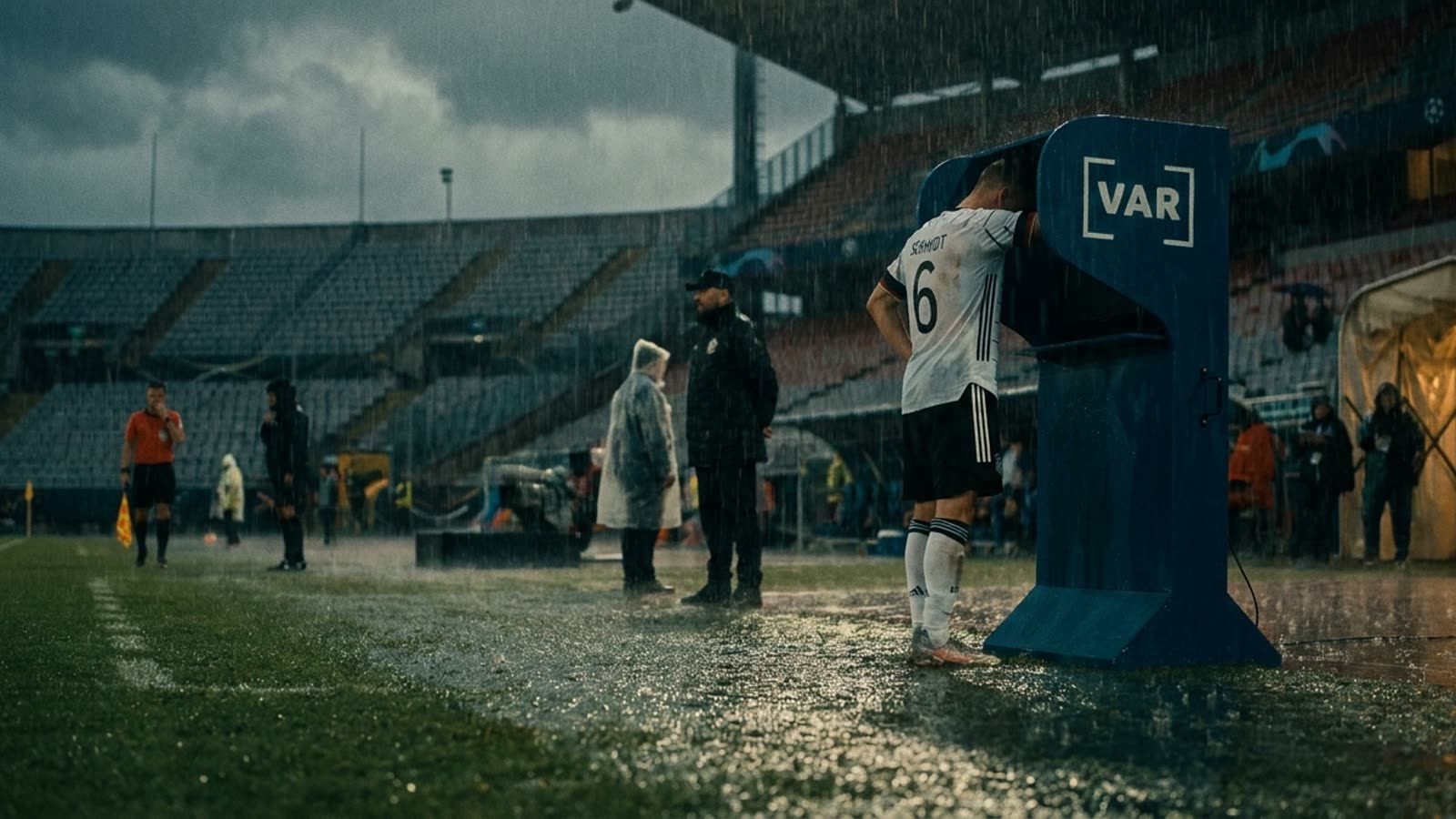
The moment that ended Germany's World Cup came not from Paraguayan brilliance but from a monitor in a room thousands of miles from the pitch. In the 112th minute, with the score level and penalties looming, Kai Havertz headed home what appeared to be the winner — only for VAR to intervene and chalk it off for a marginal offside that, upon subsequent analysis, wasn't offside at all.
Germany lost the ensuing shootout. They are out. And the post-mortem has already begun, with VAR cast as the villain. This framing is understandable but wrong. The technology performed exactly as designed; it was the interpretation that failed.
The anatomy of a bad call
The offside decision hinged on which frame the VAR team selected as the moment of the pass. Choose a frame too early, and the attacker appears ahead of the last defender. Choose the correct frame, and he's level — onside by the thickness of a boot. Multiple independent analyses, including from FIFA's own broadcast partners, have since confirmed the goal should have stood.
This is not a technological limitation. Modern VAR systems can identify the precise frame of ball contact with sub-millisecond accuracy. The error was human: someone in the VAR room made a judgment call, and they made it incorrectly. The system flagged a close decision, as it should. The operators then got it wrong, as humans sometimes do.
Why "clear and obvious" never worked
VAR was introduced with the promise that it would only overturn "clear and obvious" errors. This phrase has become a punchline. In practice, once the referee walks to the monitor, the decision almost always changes — regardless of how marginal the call. The protocol has drifted from its original intent.
The Germany-Paraguay incident reveals a deeper issue: VAR has not eliminated controversy, it has merely relocated it. Instead of debating what the referee saw in real time, we now debate what the VAR team saw on replay. The arguments are the same; only the technology has changed. And because VAR carries the veneer of scientific precision, its errors feel more egregious. A referee missing a call in the chaos of live play is forgivable. A video official getting it wrong after multiple slow-motion replays is not.
Our take
The instinct to blame VAR is misplaced. The technology is sound; the implementation is flawed. What football needs is not less video review but better protocols — clearer guidelines on frame selection, mandatory second opinions on marginal calls, and genuine accountability when officials err. Germany's World Cup ended on a mistake, but the mistake was human. Pretending otherwise lets the actual culprits off the hook.