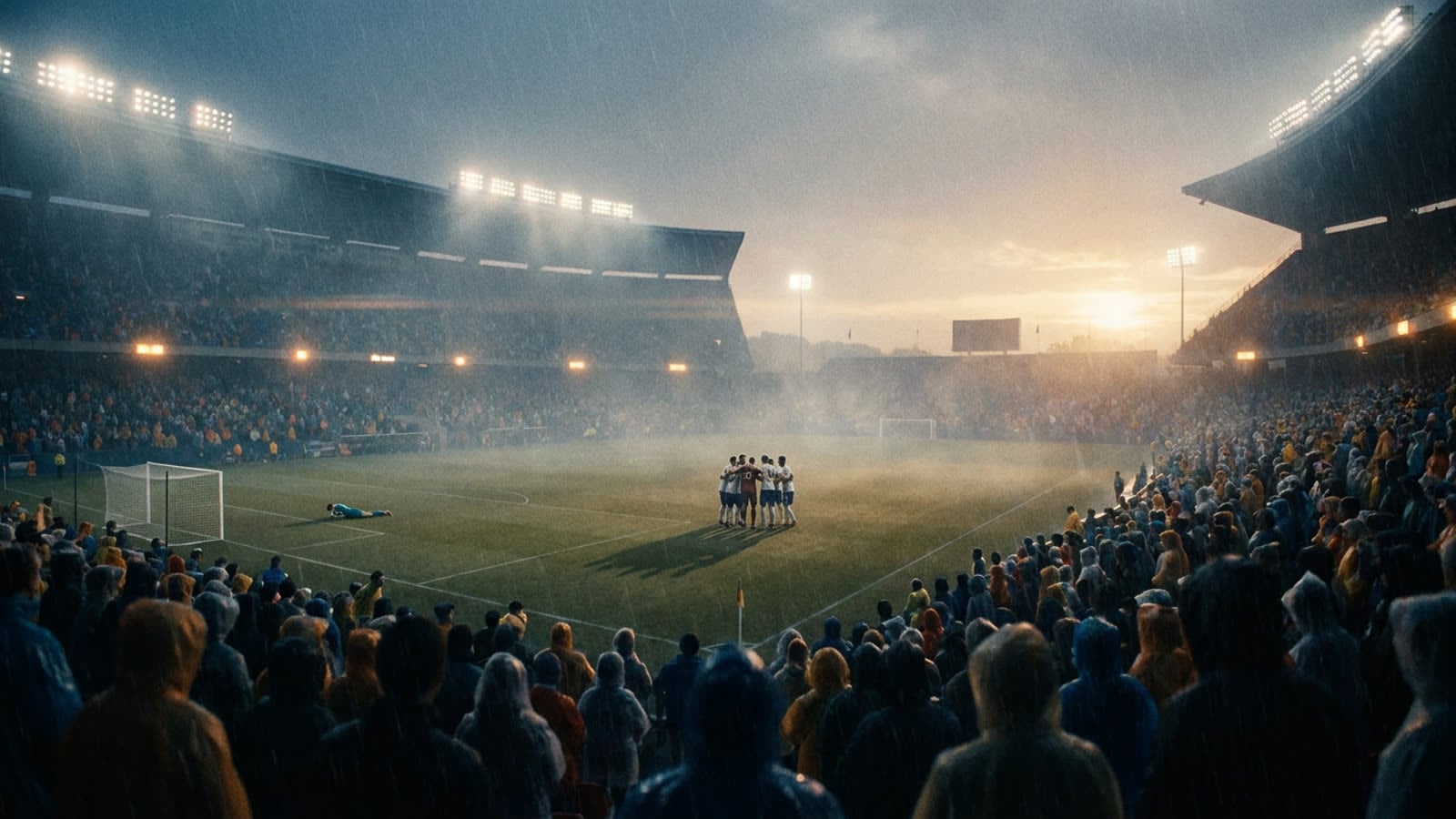
The United States entered Thursday's clash with Australia needing a result and missing its best player. Within a quarter-hour, the Americans had both momentum and a lead—courtesy of an Australian boot.
An own goal, the cruelest currency in football, handed the USMNT a 1-0 advantage at a raucous home venue. The Socceroos, chasing their own knockout ambitions, found themselves on the wrong end of the tournament's peculiar arithmetic: sometimes the team that defends desperately concedes more cheaply than the one that attacks recklessly.
A start that silenced the doubters (briefly)
American supporters had spent the 48 hours before kickoff in a state of low-grade panic. Christian Pulisic, the team's talisman and primary source of individual brilliance, was ruled out with a calf injury—the kind of soft-tissue setback that can linger through a tournament or vanish by the next match. Head coach Gregg Berhalter reshuffled his attacking lines, asking players more accustomed to complementary roles to carry the creative burden.
The early own goal rendered those tactical questions temporarily moot. The Americans pressed high, forced turnovers in dangerous areas, and created the kind of chaos that makes defenders misjudge clearances. Whether the goal was a product of system or fortune matters less than the scoreboard.
Australia's predicament deepens
For the Socceroos, the deficit compounds an already precarious group-stage position. Australia arrived in North America with modest expectations but genuine belief; their squad blends experienced European-based professionals with a generation of younger players who came of age watching the 2022 run to the round of 16. An own goal in a match they needed at least a draw from is the sort of misfortune that can define a campaign.
The match remained in progress at publication time, and football's capacity for late drama is well-documented. But the psychological damage of conceding so early, so cheaply, against a host nation playing before a partisan crowd, is difficult to reverse.
What Pulisic's absence reveals
The injury to Pulisic, however briefly it sidelines him, has forced the USMNT to answer a question it has dodged for years: can this team function without its one world-class attacker? The early evidence suggests the answer is "yes, sort of." The Americans generated pressure, won territorial battles, and capitalized on Australian errors. What they did not do—at least in the opening stages—was create the kind of individual moments of magic that Pulisic provides.
That may be enough against Australia. It will not be enough against the tournament's elite.
Our take
Own goals are the sport's great equalizer, a reminder that football rewards effort and positioning as much as technique. The USMNT's fast start is encouraging, but the real test comes in the knockout rounds, where opponents do not gift you leads. Pulisic's calf needs to heal, and quickly. The Americans have proven they can survive without him. Thriving is another matter entirely.