Mexico arrived at this World Cup carrying the weight of seven consecutive Round-of-16 exits — a streak so predictable it had become its own punchline. Two matches into the 2026 tournament, El Tri have answered with the kind of clinical efficiency that suggests this squad views historical baggage as fuel rather than burden.
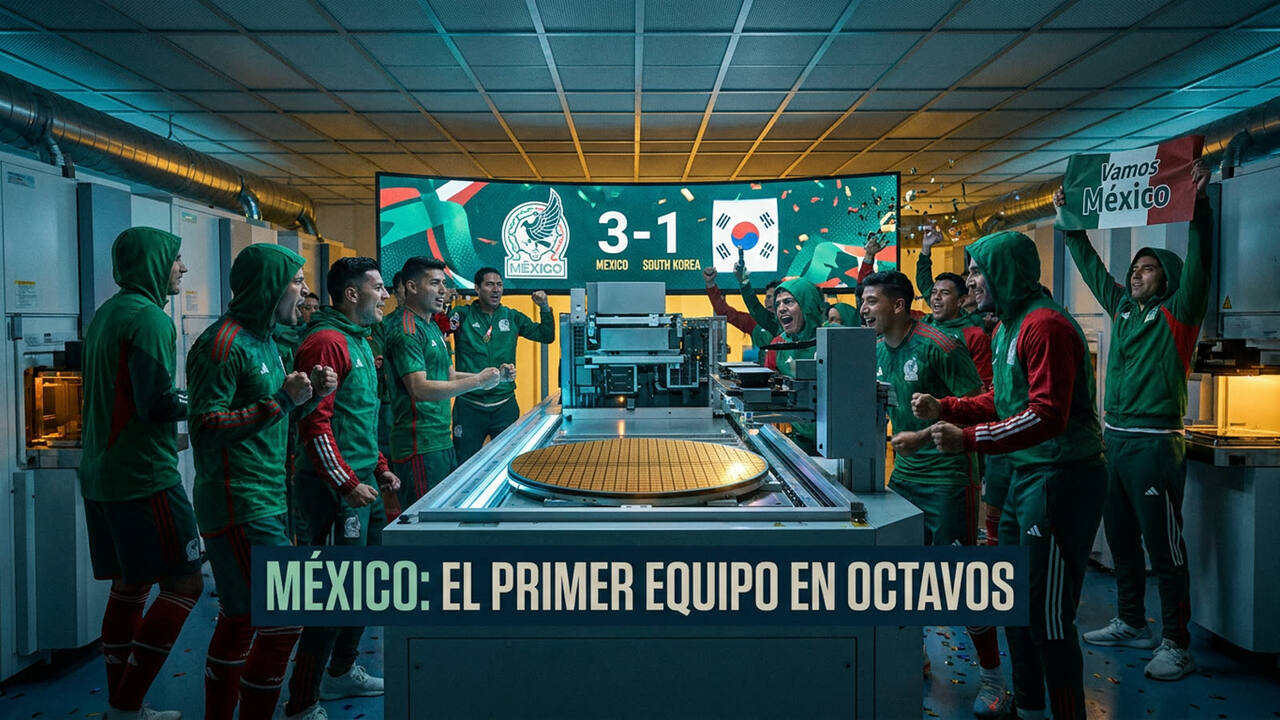
The 3-1 defeat of South Korea in Atlanta made Mexico the first of 48 nations to mathematically secure a place in the knockout rounds. That distinction matters less for the arithmetic than for the statement: while co-hosts Canada celebrated a watershed first win and the United States ground out a nervous opener against Chile, Mexico simply handled their business with the cold professionalism of a side that has been here before and has no intention of leaving early.
The South Korea match told the story
Kim Seung-gyu's early goalkeeping error gifted Mexico an opening they were always going to exploit, but the manner of the subsequent goals revealed a team playing with genuine attacking cohesion rather than mere opportunism. El Tri's movement off the ball has been among the tournament's sharpest, and their willingness to press high — unusual for a Mexican side traditionally content to absorb and counter — speaks to a tactical evolution under their current setup.
South Korea, who entered with genuine hopes of advancing from a group that looked navigable on paper, now face a must-win scenario against a Qatari side that has looked overmatched. Mexico's reward for early qualification is the luxury of rotation against Canada in their final group match, a scenario that could see them enter the knockout phase fresher than any other contender.
Why the skeptics got it wrong
Pre-tournament power rankings consistently placed Mexico in the 15-20 range, a reflection of their aging core and the trauma of those seven consecutive Round-of-16 eliminations. What those rankings missed was the psychological shift that comes with lowered expectations. This is a squad with nothing to prove to anyone but themselves, and that freedom has manifested as attacking directness rather than the cautious possession that characterized their recent World Cup campaigns.
The early exit of several highly-fancied European sides in 2022 proved that tournament football rewards cohesion over raw talent. Mexico may not have the individual quality of France or England, but they have something potentially more valuable: a clear identity and the belief that their historical ceiling is a fiction they can shatter.
Our take
Mexico's efficiency should worry the tournament favorites. A team that has already secured advancement can play their knockout matches with a freedom that tight groups deny to others. Whether El Tri can finally break their Round-of-16 curse remains the only question that matters to their long-suffering supporters, but the early evidence suggests this is the most dangerous Mexican side in a generation — precisely because no one expected them to be.