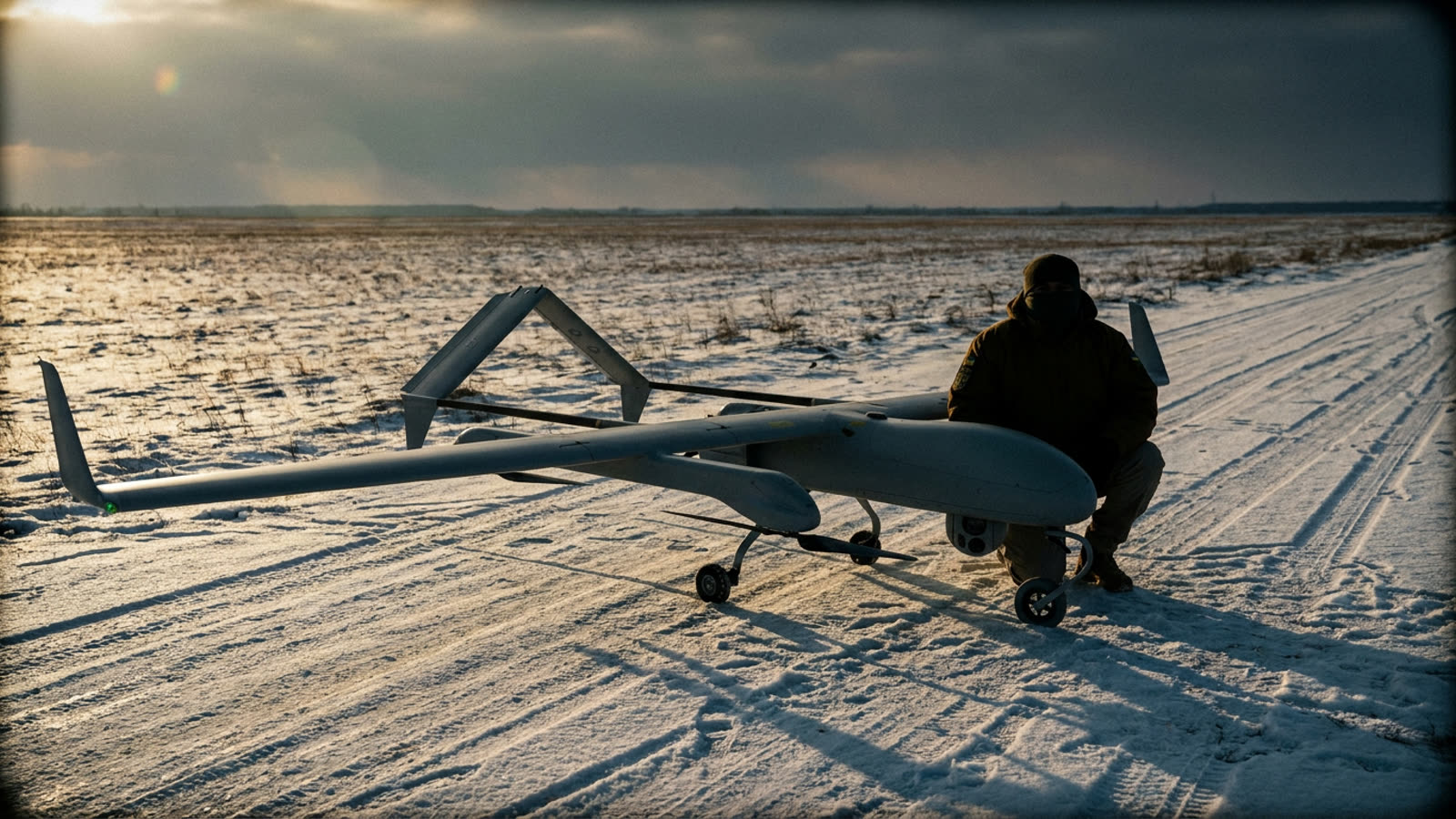
Ukraine's long-range drone units are no longer a scrappy improvisation — they have become a strategic arm of the war effort, striking targets deep inside Russian territory with increasing frequency and precision. While Western capitals debate aid packages and Washington remains consumed by its own military entanglements in Iran, Ukrainian engineers and pilots are quietly building one of the most effective asymmetric warfare programs of the 21st century.
The logic is brutally simple. Ukraine cannot match Russia's artillery shell production or its willingness to absorb catastrophic casualties. What it can do is threaten the Russian homeland in ways that complicate Moscow's war planning and erode domestic support for the conflict. Every refinery hit, every airbase struck, every ammunition depot destroyed forces the Kremlin to divert resources from the front lines to air defense across a vast territory.
The economics of attrition
A Ukrainian drone capable of reaching Moscow costs a fraction of the Russian air defense missiles required to intercept it — when interception succeeds at all. This cost asymmetry is the inverse of what Ukraine faces on the ground, where Russian shells outnumber Ukrainian ones by margins that have, at times, approached ten to one. The drone program represents Kyiv's attempt to impose its own unfavorable math on an adversary that has grown comfortable with grinding attritional warfare.
The strikes have grown bolder. Targets now include oil infrastructure critical to Russia's war economy, military logistics hubs, and facilities that had previously seemed beyond Ukraine's reach. Russian air defense networks, designed for a different era of threats, struggle to adapt to swarms of relatively cheap, difficult-to-detect unmanned systems.
Western ambivalence
The Biden administration's initial reluctance to provide long-range strike capabilities stemmed from escalation concerns that now seem almost quaint. Ukraine built its own capability anyway. The Trump administration's subsequent focus on the Iran conflict has meant that Ukrainian military innovation receives less strategic attention from Washington than it deserves — a curious oversight given that the lessons learned in Ukrainian skies have immediate relevance for American defense planners contemplating future conflicts with near-peer adversaries.
European support has been more consistent but remains insufficient to the scale of the challenge. Ukraine's drone program succeeds in part because it must — necessity, as ever, mothering invention.
Our take
The drone war represents something genuinely new: a mid-sized democracy holding a nuclear-armed authoritarian state accountable for territorial aggression through technological ingenuity rather than matching it tank for tank. The West's failure to fully appreciate — and capitalize on — this development reflects a broader strategic myopia. Ukraine is writing the manual for 21st-century asymmetric warfare in real time. The least its allies could do is read it.