The United States has spent more than a decade rebuilding military capacity after the grinding campaigns in Iraq and Afghanistan, only to watch those reserves evaporate in weeks of sustained operations against Iran. The strikes that began in early May have already consumed munitions stockpiles, carrier deployment schedules, and maintenance budgets at a rate that Pentagon comptrollers describe, in the bureaucratic idiom of people who cannot say what they mean, as "unsustainable."
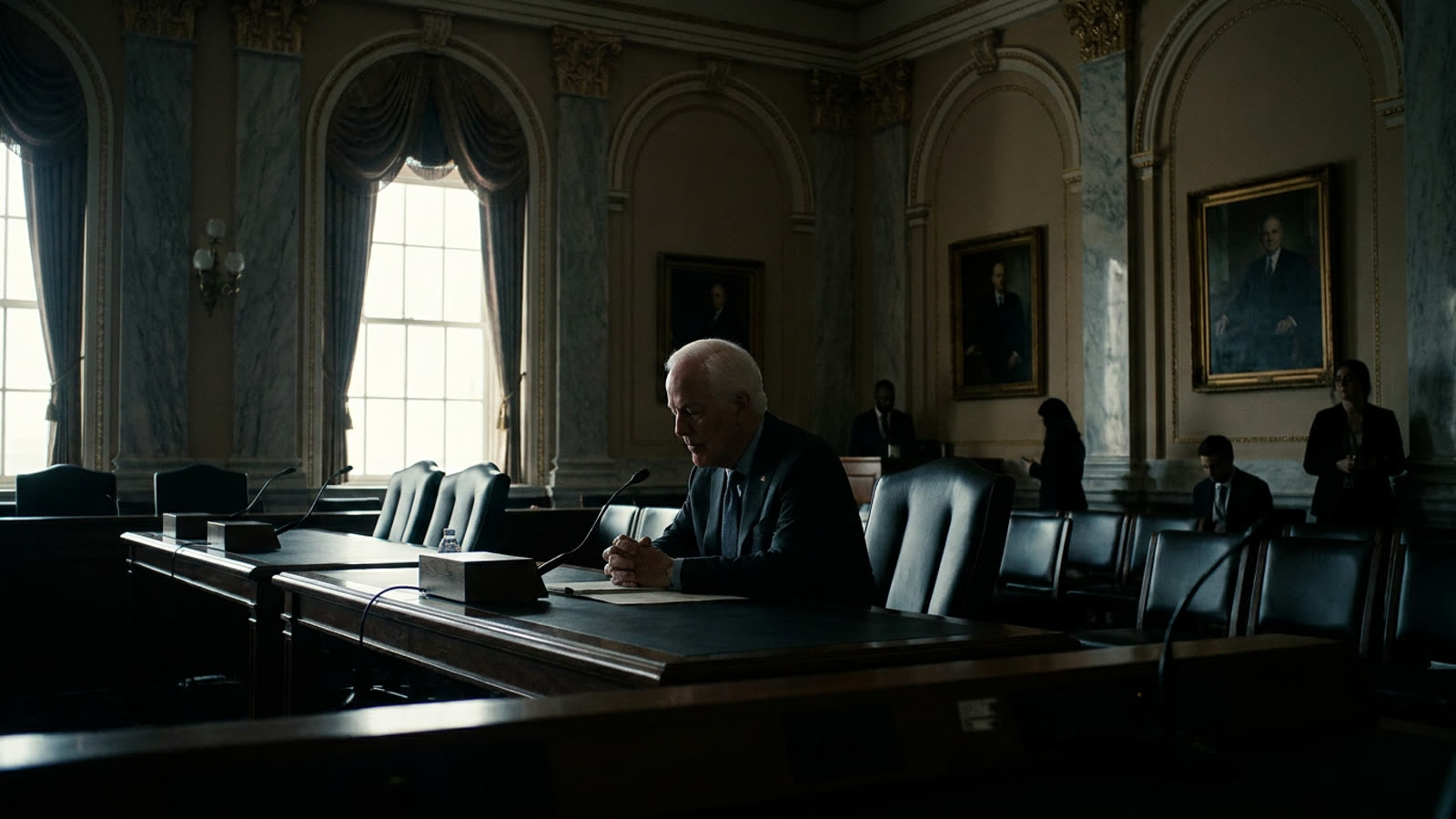
President Trump will convene his Cabinet today to discuss next steps, with Iran's supreme leader promising retaliation for American strikes on nuclear facilities and Revolutionary Guard positions. But the more consequential meeting may be happening down the hall, where defense officials are confronting a spreadsheet problem that no amount of presidential bravado can resolve: the military is spending faster than Congress can appropriate, and the industrial base cannot manufacture precision munitions at anything approaching wartime consumption rates.
The arithmetic of modern warfare
The problem is not new, but its severity is. A single Tomahawk cruise missile costs roughly $2 million and takes more than a year to build. The Navy has fired hundreds in the past three weeks. Patriot interceptors, essential for defending Gulf bases and allied capitals, run $4 million each and face similar production constraints. The Air Force's JASSM stockpile—the stealthy cruise missiles that can penetrate Iranian air defenses—was already considered inadequate for a major conflict before this one began.
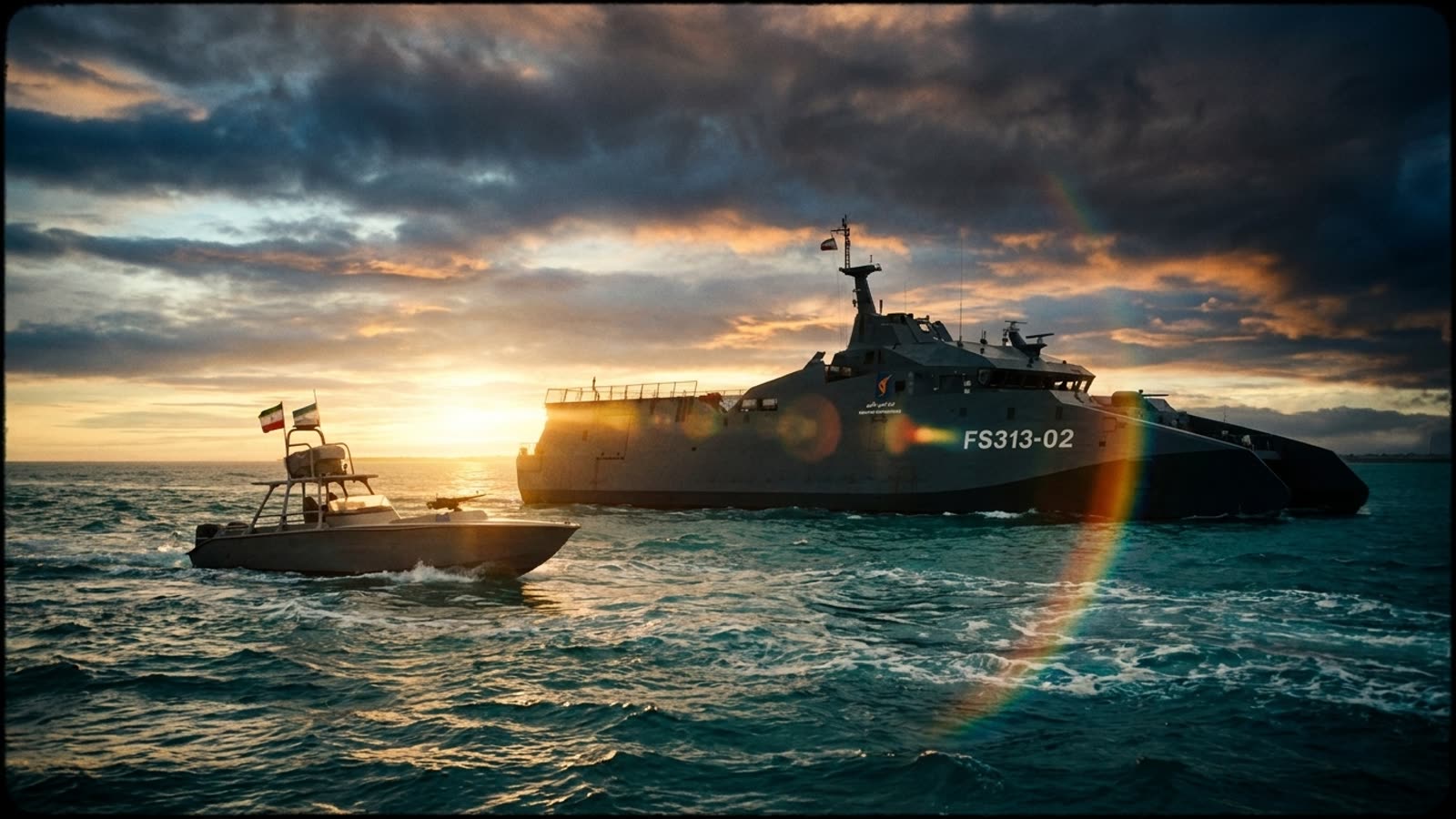
Military planners had assumed any Iran confrontation would be short and sharp, a punitive strike followed by deterrence. Instead, the tit-for-tat escalation has created something closer to a war of attrition, with neither side willing to absorb the political cost of backing down. Each Iranian proxy attack on shipping or Gulf infrastructure demands a response; each American response invites retaliation.
The readiness trap
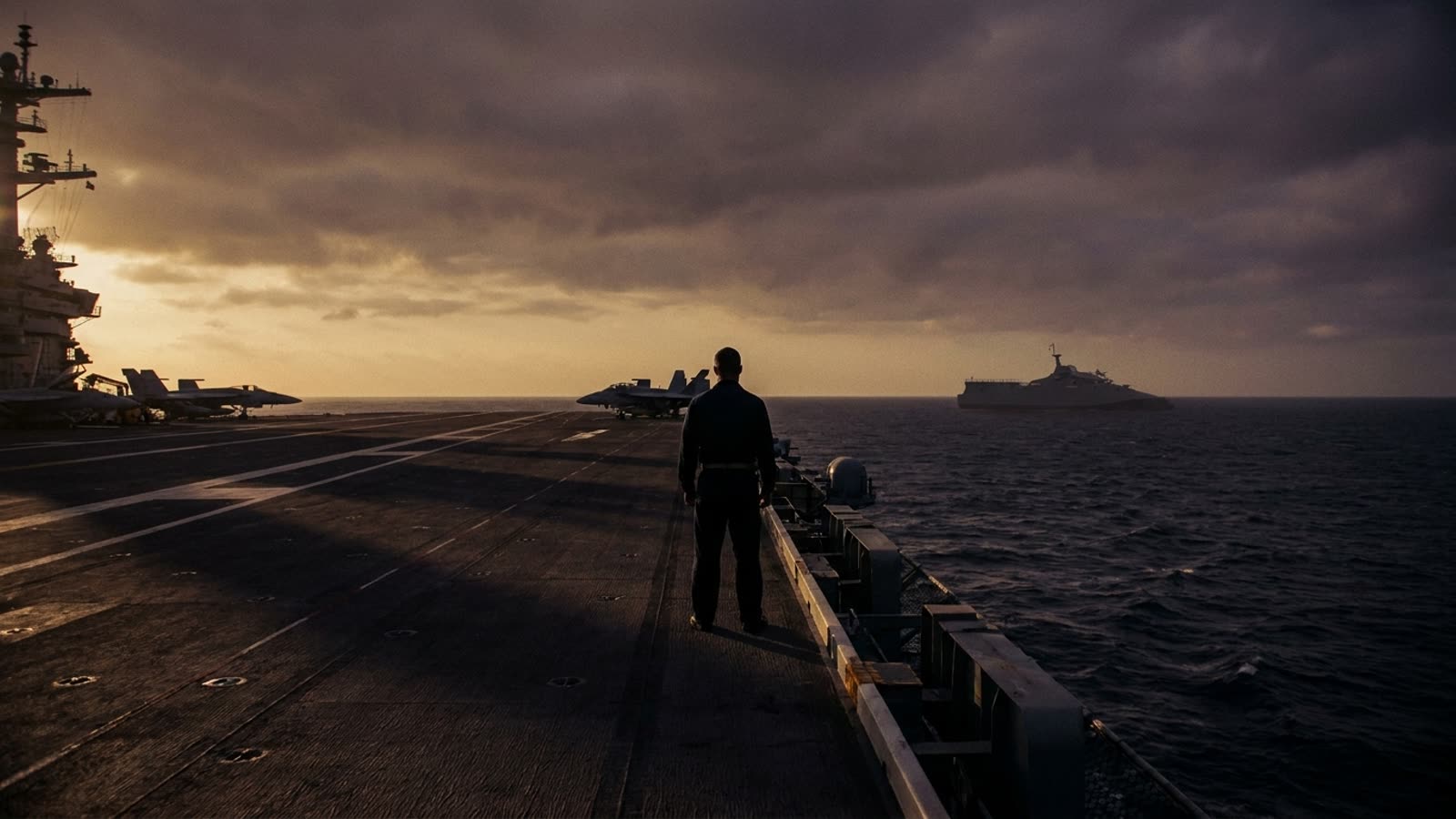
The fiscal pressure extends beyond munitions. Aircraft carriers operating in the Persian Gulf burn through maintenance cycles faster than peacetime schedules anticipate. Fighter jets flying combat sorties accumulate flight hours that will require depot-level repairs. Pilots and sailors are extending deployments, a short-term solution that creates long-term retention problems.
The Pentagon's budget was already stretched before the Iran campaign, with modernization programs for nuclear forces, next-generation aircraft, and shipbuilding competing for dollars. Every billion spent on current operations is a billion not spent on the capabilities needed to deter China—a point that Beijing's strategists have surely noted.
Our take
Wars have a way of clarifying fiscal priorities, and this one is revealing that America's defense industrial base remains configured for peacetime procurement rather than wartime production. The Trump administration can blame its predecessors, and there is plenty of blame to distribute, but the immediate problem belongs to the current Cabinet. Iran may or may not retaliate in the coming days. The budget crisis is already here.