The United States men's national team has a Christian Pulisic problem, and it is the best kind of problem to have: he is so good that his absence becomes the story. When Gregg Berhalter announced the Chelsea star would sit Friday's group-stage match against Australia, the discourse immediately centered on what the Americans would lose. What they gained instead was a reminder of who actually makes this team function.
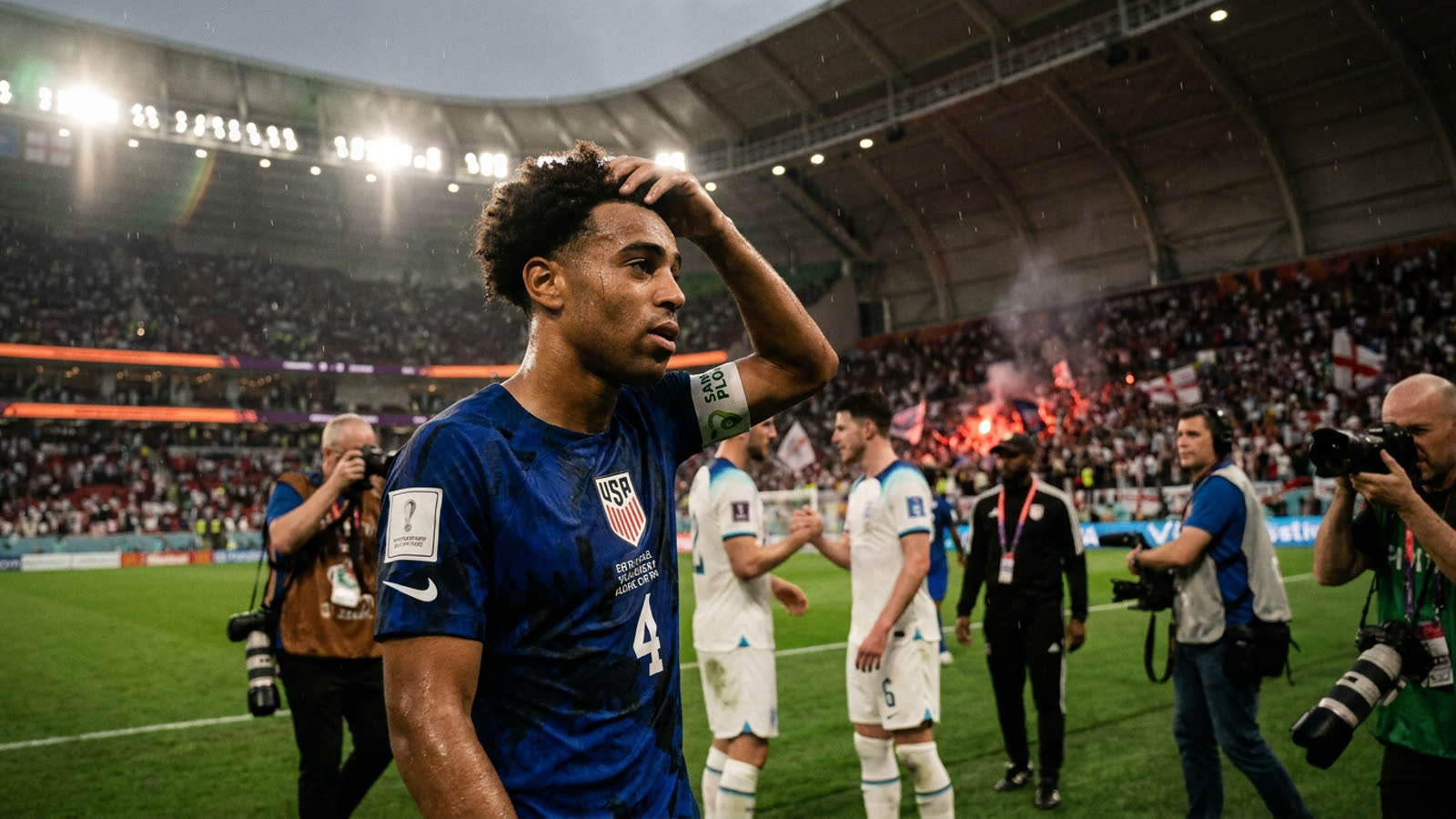
Tyler Adams, the 27-year-old captain wearing the armband for Bournemouth in the Premier League, delivered a performance against Australia that should recalibrate how we think about American soccer's hierarchy. The 2-0 victory that clinched the USMNT's spot in the knockout rounds was not built on individual brilliance but on positional discipline, passing tempo, and the kind of midfield control that rarely makes highlight reels but always wins tournaments.
The invisible architecture
Adams completed 94 percent of his passes, won possession eight times, and covered more ground than any other American on the pitch. These numbers tell only part of the story. What they miss is how Adams dictated the rhythm of play, slowing the game when Australia pressed high, accelerating it when gaps appeared in the Socceroos' defensive shape. Malik Tillman and Weston McKennie, freed from some of their usual defensive responsibilities, could push higher and create the chances that Jesús Ferreira and Timothy Weah eventually converted.
This is what elite defensive midfielders do: they make everyone around them better without demanding the ball in dangerous positions. Adams has been doing it for years, but the absence of Pulisic's magnetism finally allowed observers to notice.
The Berhalter calculation
Resting Pulisic was not merely about managing minutes before the knockout rounds. It was a statement of faith in the squad's depth and, more specifically, in Adams's ability to organize a team without its most talented attacker. Berhalter has built his system around the captain's intelligence, trusting him to read the game and adjust positioning in real time. Against Australia, that trust paid dividends.
The Americans now enter the round of sixteen with momentum, a clean sheet, and the knowledge that their midfield can function at a high level even when the opposition focuses its energy on disrupting other areas. That flexibility will matter against more sophisticated opponents.
Our take
American soccer culture remains obsessed with the glamour positions, the Pulisics and the Reynas, the attackers who can unlock defenses with a single touch. This is understandable but incomplete. Tyler Adams is not the most exciting player on this World Cup roster, but he may be the most essential. If the United States is going to make a deep run on home soil, it will be because Adams continues to do the unglamorous work that makes everything else possible. The captain's armband is not ceremonial; it is a job description, and Adams is fulfilling it better than any American midfielder in a generation.