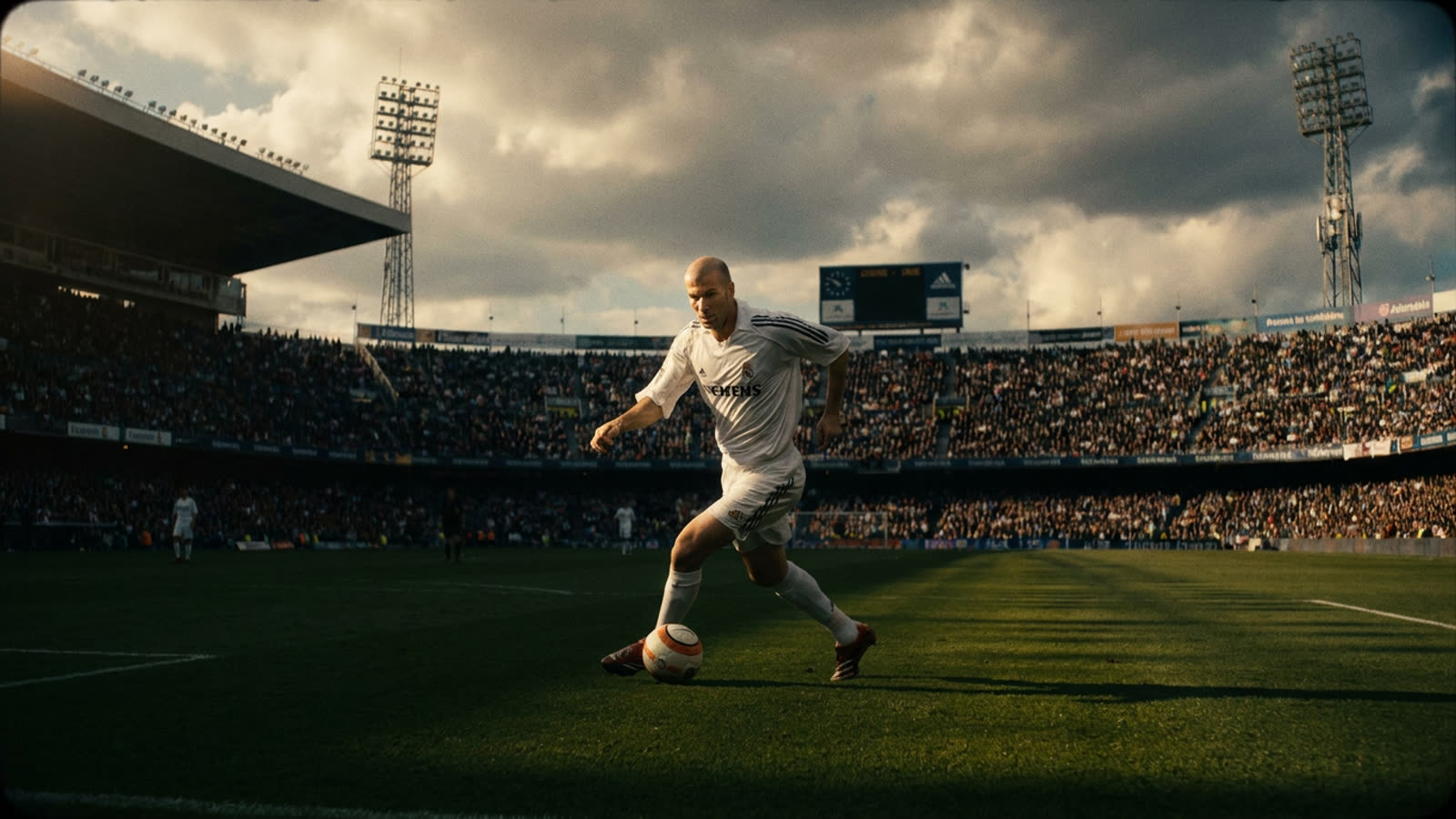
No athlete has ever exited a stage more dramatically, more inexplicably, or more memorably than Zinedine Zidane did on July 9, 2006. In the 110th minute of a World Cup final, with the score level and penalties looming, the greatest midfielder of his generation lowered his bald head and drove it into the chest of Marco Materazzi. The red card followed. France lost the shootout. Zidane walked past the trophy without glancing at it, down the tunnel, and into retirement.
The moment has been analyzed, recreated, and mythologized ever since. It has been cast in bronze by Algerian artist Adel Abdessemed, debated by philosophers, and referenced in countless films and songs. Yet it resists easy interpretation precisely because Zidane himself has never fully explained it.
The provocation and its limits
Materazzi admitted to insulting Zidane's sister, though the exact words remain disputed. Lip-readers and investigators have offered various translations, none of them flattering. What is certain is that Zidane, a man of Algerian descent who grew up in the housing projects of Marseille, heard something that bypassed his legendary composure entirely. The headbutt was not calculated. It was primal.
This is what makes the moment so enduring. Zidane had spent two decades constructing an image of balletic control—the pirouettes, the velvet first touch, the goals that seemed to arrive from some other dimension of the sport. He was football's philosopher-king, the man who made the difficult look effortless. And then, when it mattered most, he revealed himself to be as vulnerable to rage as anyone.
The strange aftermath
Zidane won the Golden Ball as the tournament's best player despite the red card. The vote was conducted before the final, but FIFA chose not to revise it. The decision seemed to acknowledge an uncomfortable truth: Zidane had been transcendent for the preceding six matches, dragging an aging French squad past Spain, Brazil, and Portugal through sheer force of will. One act of violence could not erase that.
France, meanwhile, has never quite recovered. They reached the final again in 2022, losing another penalty shootout, but the 2006 team represented the last gasp of a golden generation. Zidane's departure was their departure.
Our take
The headbutt endures because it is the opposite of what sports narratives demand. We want our legends to exit gracefully, to score the winning goal, to be carried off on shoulders. Zidane gave us something more honest: a reminder that greatness and self-destruction can coexist in the same body, sometimes in the same minute. The moment was ugly, irrational, and utterly unforgettable. It was, in other words, completely human.