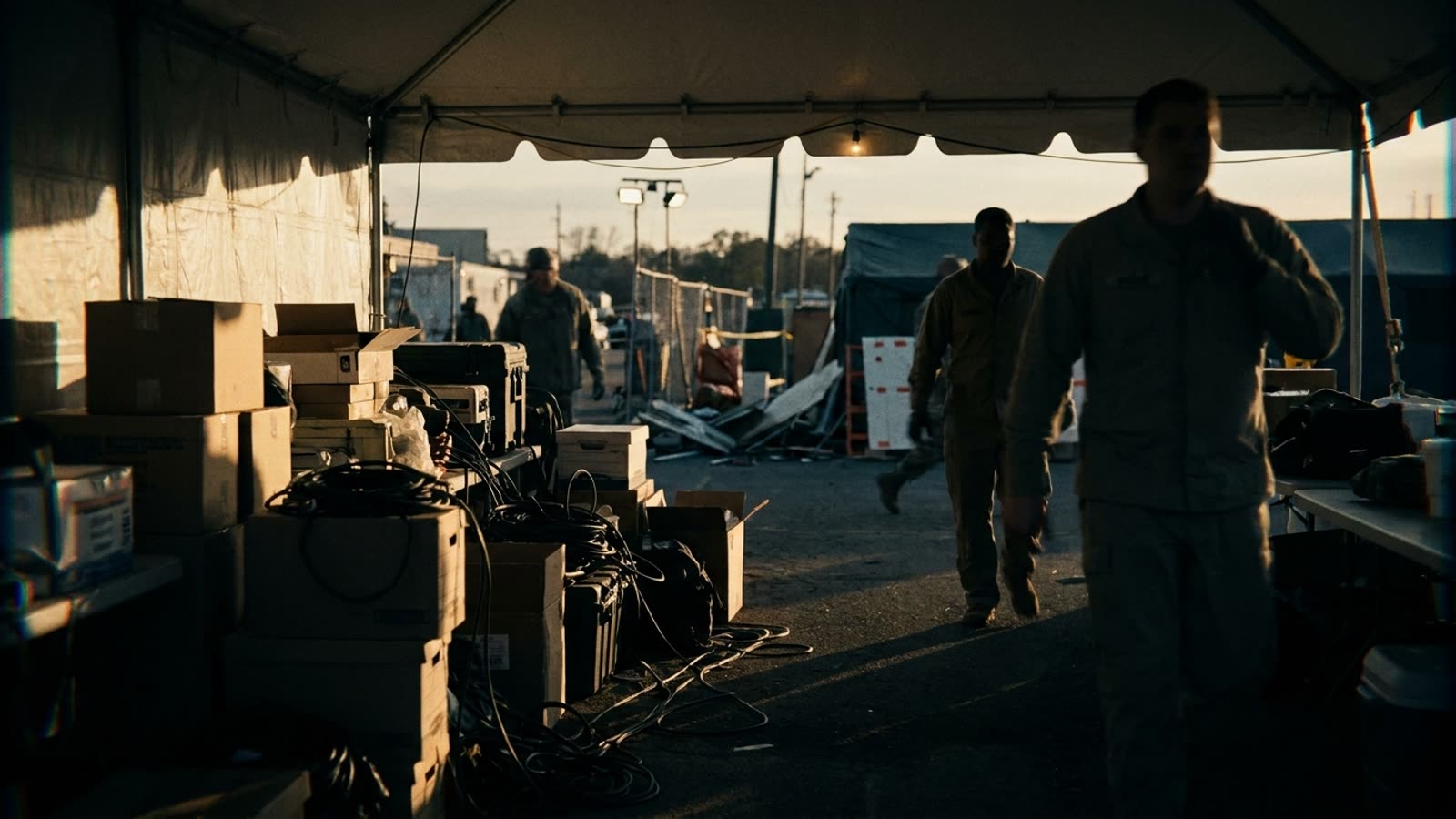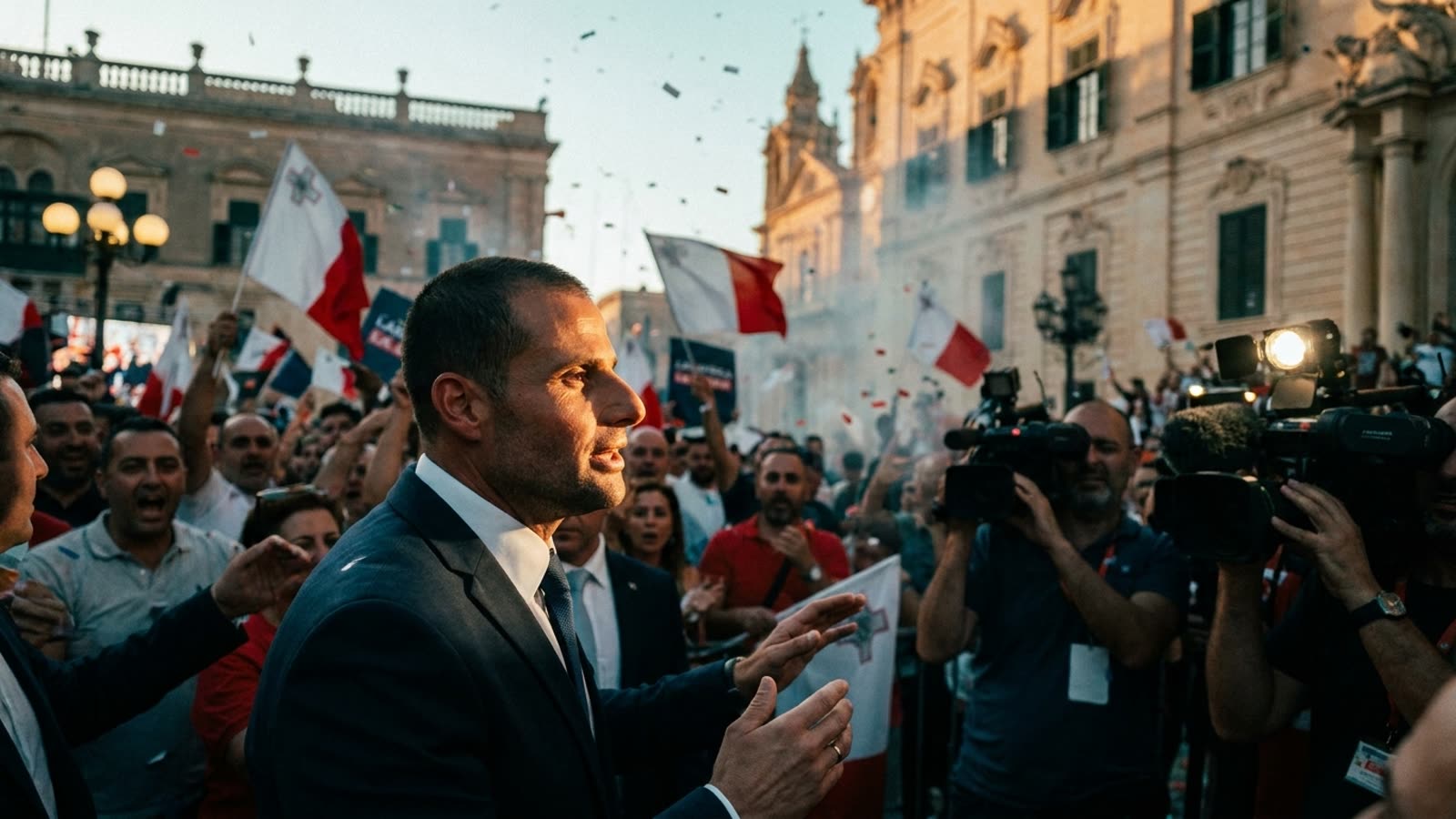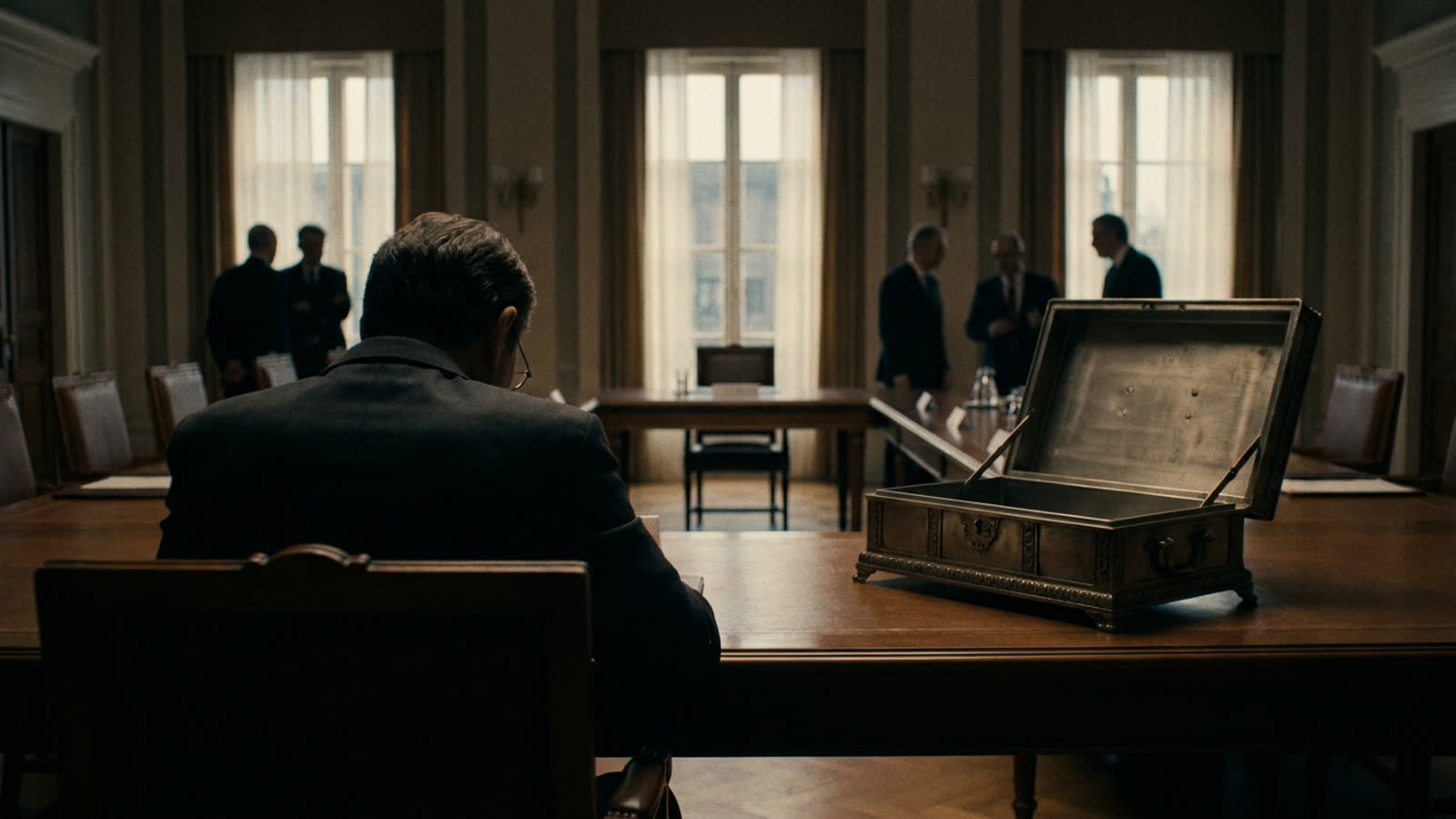
The Trump administration's systematic reduction of Ukraine-related funding is achieving what Russian lawyers could not: the slow suffocation of international efforts to hold Moscow accountable for documented war crimes. Investigators, prosecutors, and archivists who have spent three years building cases against Russian commanders now face budget cuts, staff furloughs, and the creeping realization that Washington has decided justice is a luxury item.
The calculus is grimly straightforward. War-crimes prosecution is expensive, slow, and yields no immediate geopolitical dividend. The administration, eager to demonstrate fiscal discipline and increasingly ambivalent about Kyiv's long-term prospects, has quietly defunded or delayed contributions to the International Criminal Court's Ukraine unit, bilateral DOJ assistance programs, and NGO-led evidence-preservation initiatives. The result is not a dramatic withdrawal but a bureaucratic fade—positions left unfilled, grants not renewed, server costs unpaid.
The evidence problem
Digital forensics experts warn that the window for preserving actionable evidence is closing. Satellite imagery degrades in analytical value without continuous collection. Witness testimony becomes unreliable as survivors scatter across Europe or die of natural causes. Chain-of-custody documentation—essential for any eventual trial—requires meticulous, ongoing labor that cannot be paused and resumed at will. Every month of underfunding represents permanent evidentiary loss.
The ICC, already stretched thin by investigations on multiple continents, has depended heavily on American technical and financial support for its Ukraine docket. Washington's contribution was never charity; it was leverage, a way to shape the court's priorities and ensure American interests were represented in the prosecution's theory of the case. That influence is now evaporating alongside the dollars.
Moscow's strategic patience
Kremlin officials have made no public comment on the funding cuts, which is itself revealing. Russia's legal strategy has always been one of delay and attrition—challenging jurisdiction, refusing extradition, waiting for the world's attention to wander. The Trump administration's budget decisions align so neatly with this approach that no Russian intervention was required. Time, the Kremlin understands, is the defendant's best friend.
Meanwhile, Russian state media has begun floating the narrative that Western war-crimes rhetoric was always performative, a propaganda tool rather than a genuine commitment to accountability. The funding cuts provide uncomfortable evidence for this thesis.
The domestic political void
Congressional appetite for restoring Ukraine justice funding is minimal. Republicans largely support the administration's broader skepticism toward open-ended Kyiv commitments; Democrats, consumed by domestic battles, have not made war-crimes prosecution a priority. Human-rights organizations are sounding alarms, but their influence on appropriations remains marginal.
Our take
There is a particular cruelty in abandoning justice work after encouraging victims to testify. Thousands of Ukrainians provided statements, submitted photographs, and relived trauma on the promise that their suffering would be recorded and eventually adjudicated. The administration's funding cuts do not merely reflect shifting priorities; they represent a breach of implicit faith with people who trusted American institutions. Whether or not one supports continued military aid to Ukraine, the moral case for preserving evidence of atrocities is distinct and should transcend the politics of the moment. That it has not is a stain that will outlast any budget cycle.