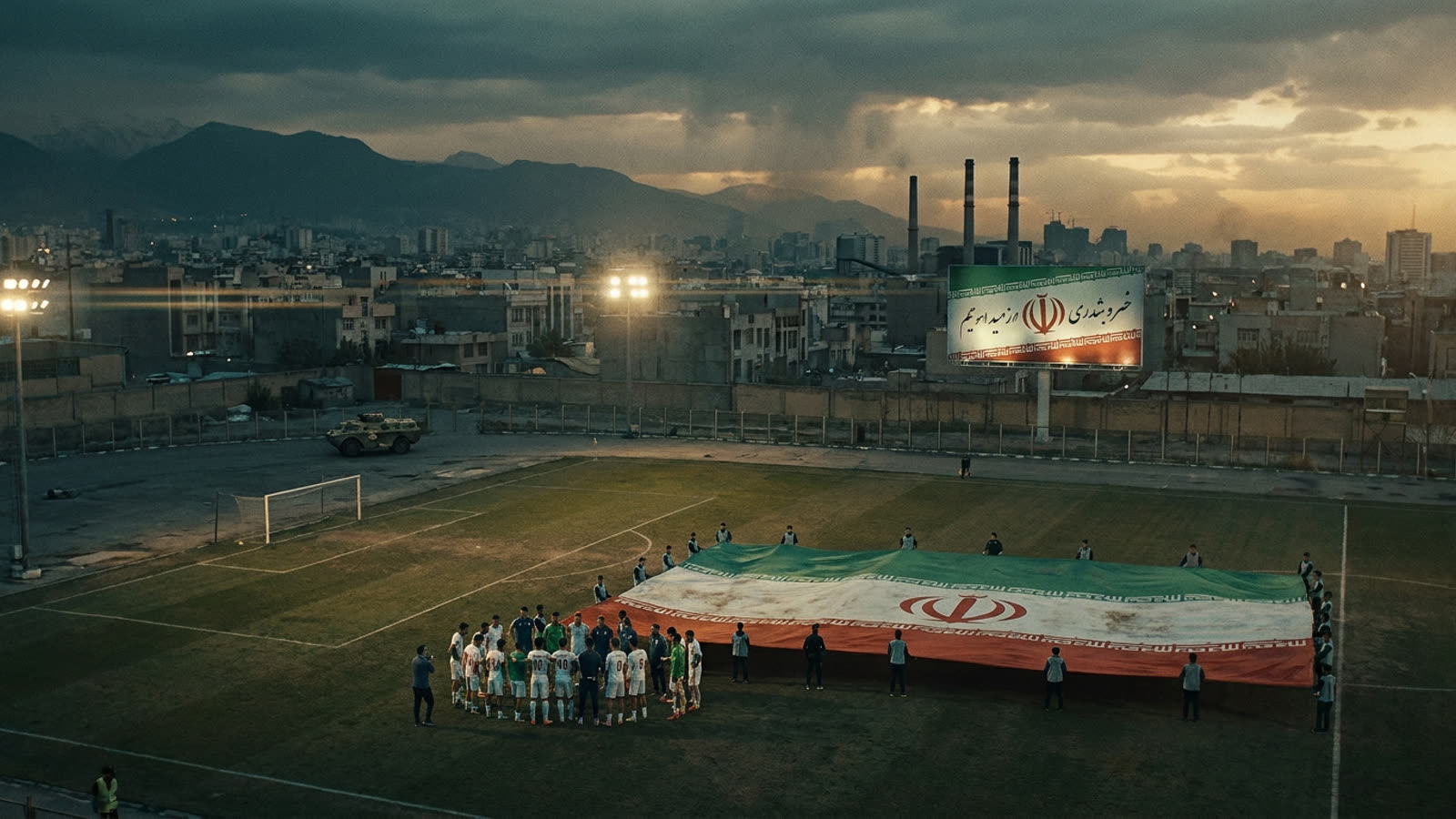
The Iranian national football team is currently holding training sessions at an undisclosed location in the Gulf region, preparing for the 2026 FIFA World Cup set to kick off across the United States, Canada, and Mexico in June. The sessions are proceeding as scheduled. The geopolitical backdrop is anything but routine.
Iran qualified for the tournament through the usual AFC pathway, securing their spot with workmanlike victories over regional rivals. Under normal circumstances, the squad—featuring a blend of domestic league veterans and European-based talent—would be fine-tuning tactics, managing minor injuries, and fielding questions about group-stage opponents. Instead, the players find themselves training under a cloud of uncertainty so thick it borders on the absurd: they are preparing to compete in a World Cup co-hosted by a nation that, as of this week, is still negotiating whether to bomb their homeland.
The diplomatic calendar collides with the football calendar
The timing is almost comically cruel. The Trump administration's framework negotiations with Tehran have entered their final phase, with American officials pushing for tighter restrictions on Iran's nuclear program in exchange for sanctions relief. Defense Secretary Pete Hegseth confirmed this week that the United States "remains prepared to restart fighting" should talks collapse—a statement delivered with the casual menace of a man who has already war-gamed the scenarios.
Meanwhile, Iran's footballers must obtain visas, arrange travel logistics, and mentally prepare to play matches in American stadiums potentially filled with hostile crowds. FIFA's official position is that sport transcends politics. FIFA's official position has always been convenient fiction.
The Iranian Football Federation has reportedly sought assurances from both FIFA and the U.S. State Department that the team will be granted entry regardless of diplomatic developments. Those assurances have been described by sources familiar with the discussions as "conditional," which in diplomatic parlance means "we'll let you know."
History offers cold comfort
Iran has participated in World Cups during previous periods of tension with the West, most memorably in 1998 when they defeated the United States 2-1 in Lyon—a match remembered for its pregame flower exchange and postgame handshakes, a brief détente on grass. But the current moment feels qualitatively different. The 1998 match occurred during a thaw in relations; today's preparations unfold against the backdrop of active military posturing and a framework deal that could collapse at any moment.
The players themselves have remained publicly stoic, offering the standard platitudes about focusing on football and representing their country with pride. Privately, according to Iranian sports journalists, the mood is more complicated. Several European-based players have reportedly consulted with their club legal teams about the implications of traveling to the United States on Iranian passports during a period of potential hostilities.
Our take
There is something clarifying about watching a national team prepare for a tournament while their government negotiates under threat of bombardment. It strips away the comfortable illusion that international sport operates in some elevated realm above politics. Iran's World Cup campaign—should it happen—will be the most politically charged participation since Yugoslavia's exclusion from Euro 1992. The difference is that Yugoslavia was banned outright. Iran is being made to wait, to train, to hope, while diplomats and generals decide whether the matches will proceed or become historical footnotes. FIFA will likely issue statements about unity and the power of sport. The Iranian players will likely take the field if permitted. And the rest of us will watch, pretending this is normal, because that is what World Cups ask of us.