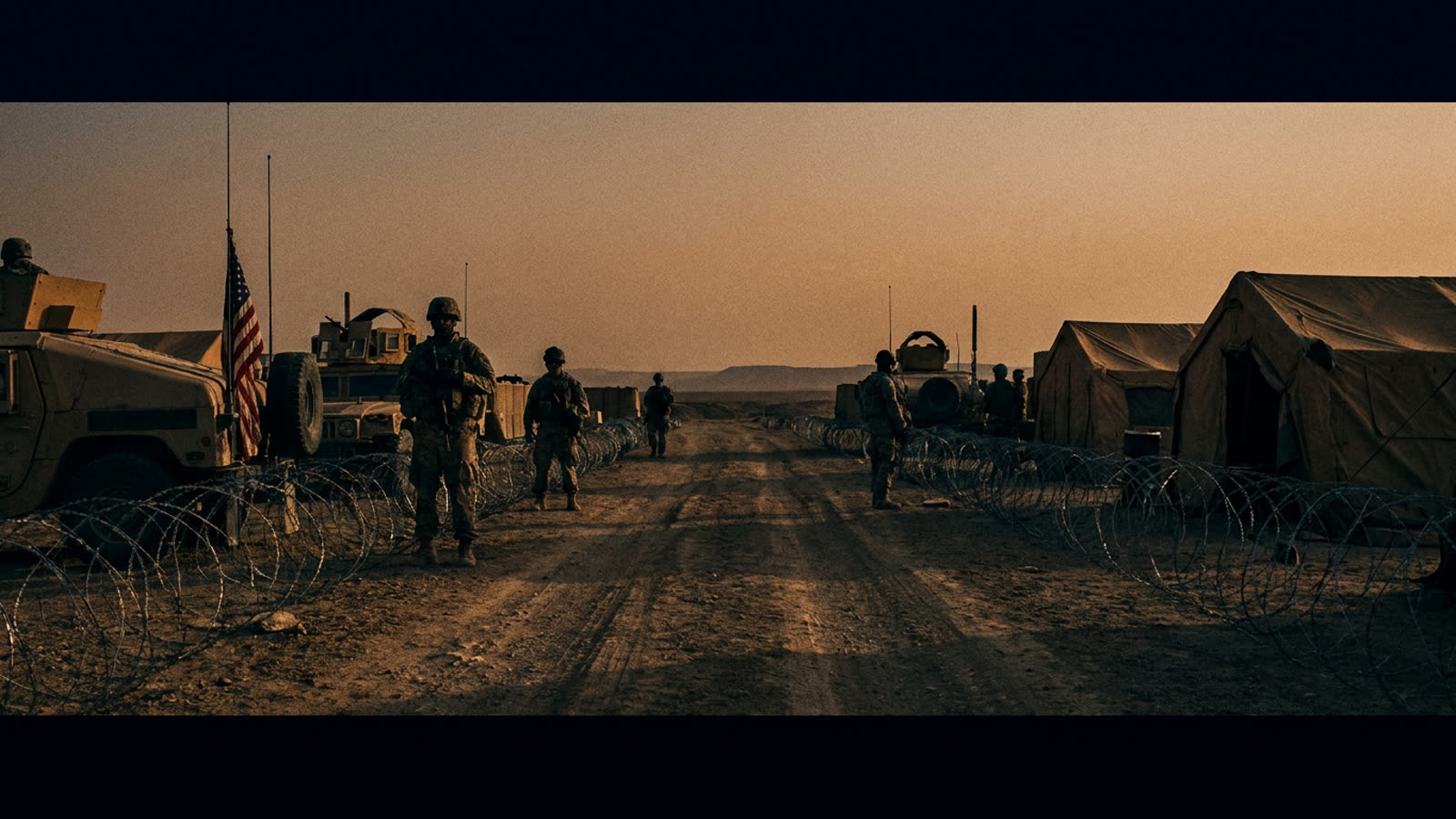
The Trump administration entered its Iran campaign with a familiar playbook: overwhelming force, maximum pressure, and the assumption that a weakened adversary would fold within weeks. Three months later, the Islamic Republic remains defiant, American forces are bogged down in a regional quagmire, and the diplomatic off-ramps that might have existed in February have largely closed.
This is not the war the White House sold to the American public. It is slower, costlier, and more strategically ambiguous than the administration's initial rhetoric suggested—and the consequences of that gap are beginning to compound.
The arithmetic of attrition
Washington's theory of the case rested on two assumptions: that Iran's economy, already crippled by sanctions, could not sustain a prolonged conflict, and that its military infrastructure would crumble under American airpower. The first assumption has proven partially correct; the second has not.
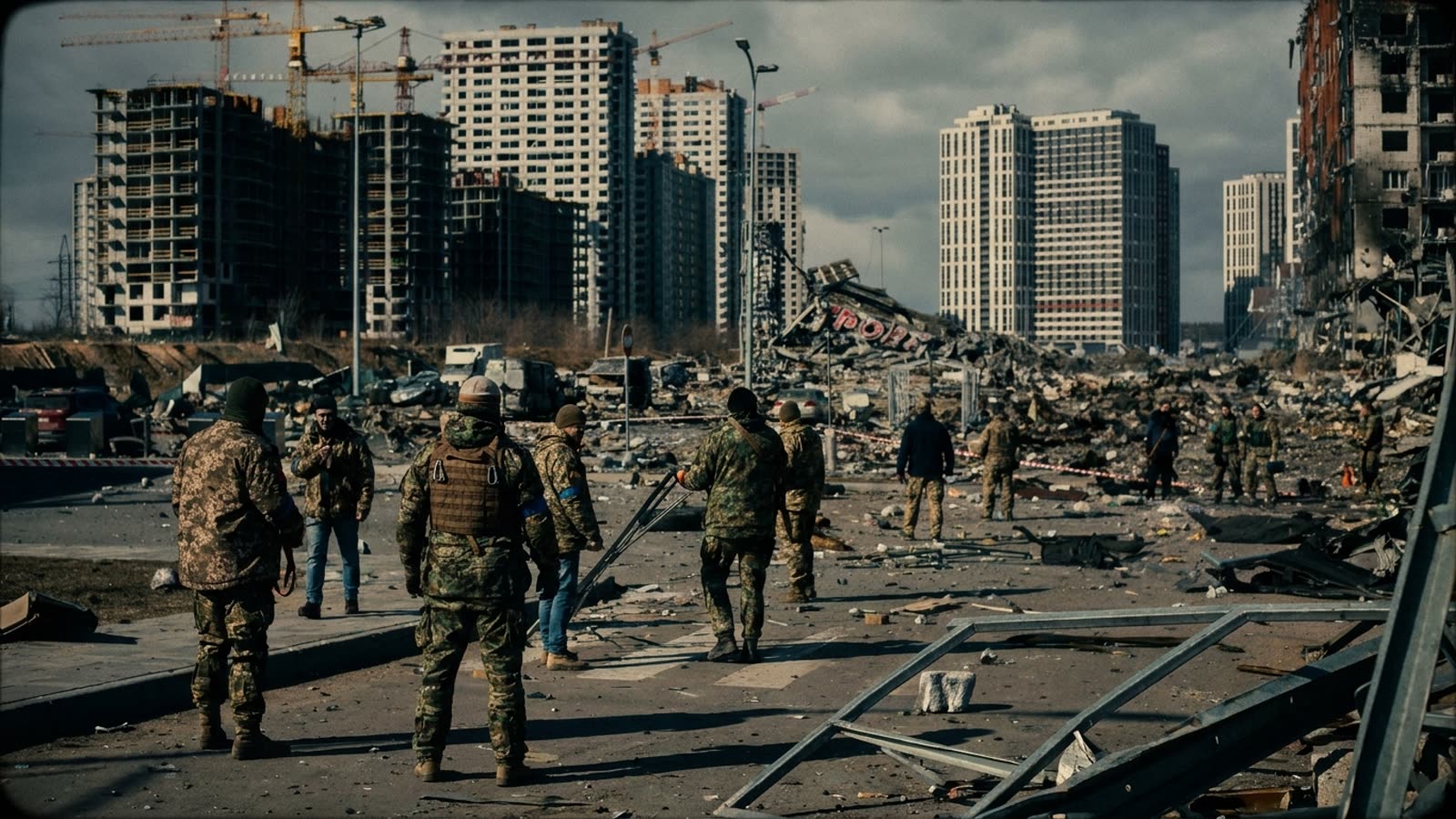
Iran's asymmetric capabilities—its proxy networks, its missile arsenal, its capacity to threaten Gulf shipping—have proven more resilient than Pentagon planners publicly acknowledged. American strikes have degraded but not destroyed Tehran's ability to project pain across the region. Meanwhile, the human and financial costs of sustained operations are mounting in ways that do not fit neatly into a midterm election narrative.
The coalition frays
Gulf allies who initially welcomed American muscle are growing restive. Saudi Arabia and the UAE, whose infrastructure remains within range of Iranian retaliation, are quietly urging Washington toward a negotiated settlement—any settlement—that removes the target from their backs. The diplomatic pressure reported earlier this week reflects a deeper anxiety: that they are subsidizing a conflict whose strategic objectives remain undefined.
European partners, already skeptical of the war's legal basis, have offered little beyond rhetorical support. The coalition of the willing looks increasingly like a coalition of the obligated.
The credibility trap
The administration's recent announcement of an Iranian uranium surrender agreement was presented as vindication. But the details remain murky, and Tehran's track record on nuclear commitments suggests verification will be a years-long project, not a photo opportunity. If the deal unravels—or if it was never as comprehensive as advertised—the White House will have spent its credibility on a mirage.
Our take
Three months is not long enough to lose a war, but it is long enough to reveal whether one has a theory of victory. The Trump administration does not appear to have one. What began as a demonstration of American resolve has become a demonstration of the limits of resolve absent strategy. The question is no longer whether the United States can win in Iran; it is whether anyone in Washington can define what winning would look like.