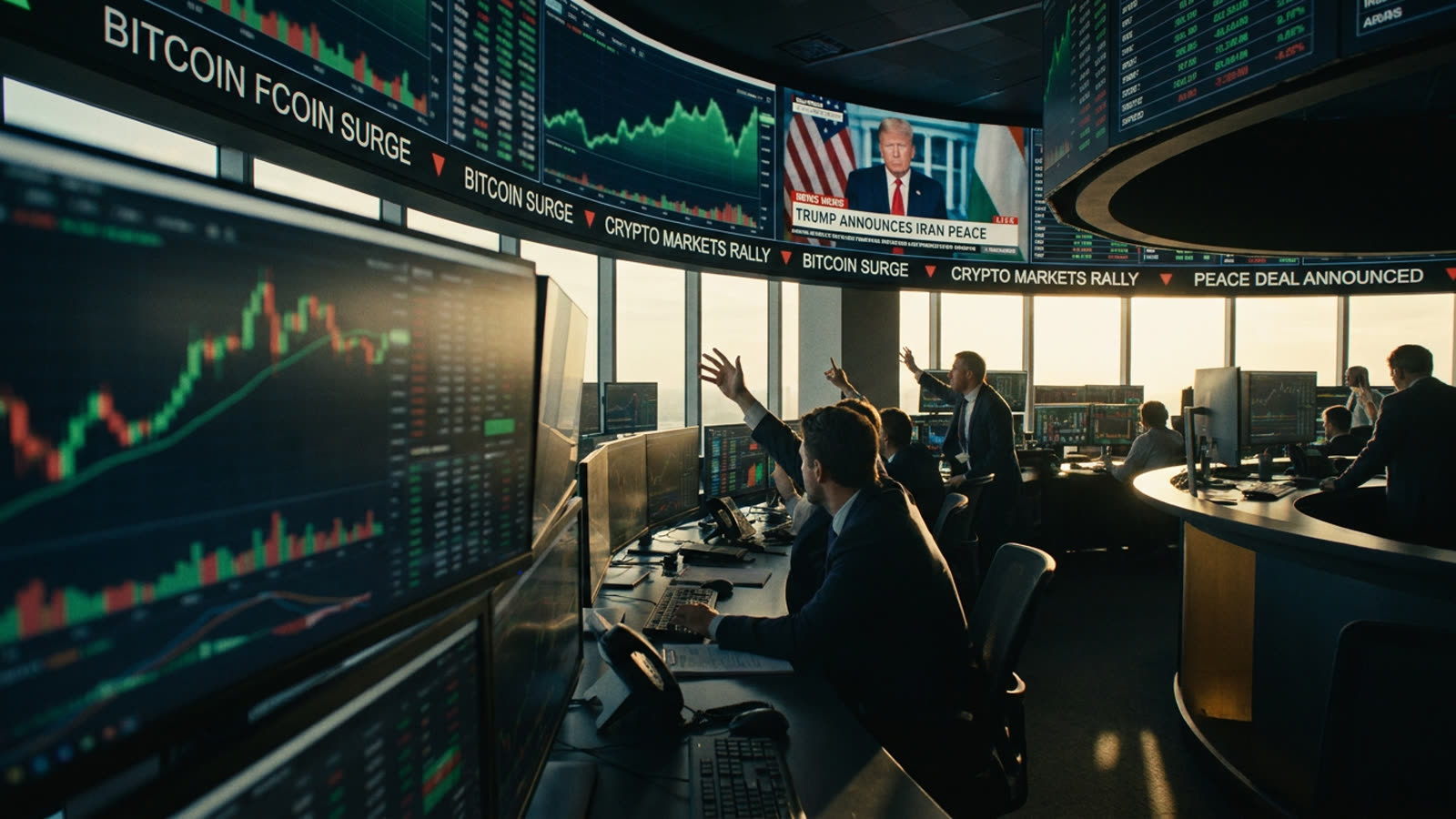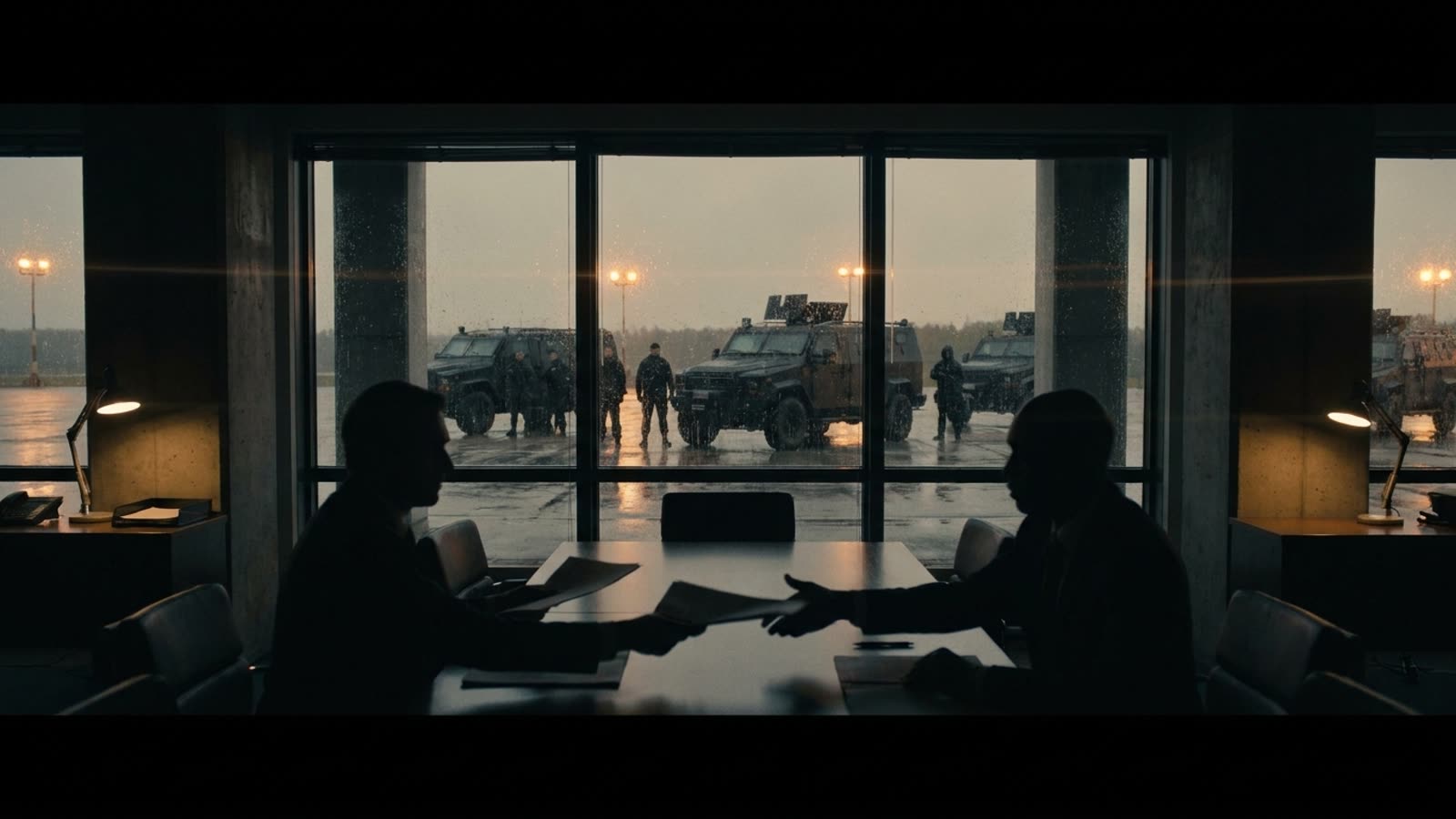
If the reports hold, Iran has agreed to relinquish its stockpile of enriched uranium—a concession that, on paper, represents the single most consequential rollback of Tehran's nuclear program in over a decade. President Trump announced the agreement late Friday, framing it as vindication of his administration's maximum-pressure campaign and the military strikes that began in February. The optics are undeniably potent: an adversary capitulating, a president claiming credit, markets rallying in response.
But the substance remains frustratingly opaque. What Iran receives in exchange—sanctions relief, security guarantees, economic lifelines—has not been disclosed. And therein lies the familiar trap of Trump-era diplomacy: the announcement precedes the agreement, the headline obscures the fine print.
The enrichment question
Iran's uranium stockpile has been the central anxiety of Western nonproliferation policy for two decades. Under the 2015 Joint Comprehensive Plan of Action, Tehran agreed to limit enrichment to 3.67 percent and cap its stockpile at 300 kilograms. After the United States withdrew in 2018, Iran steadily expanded both the quantity and purity of its enriched material, reaching 60 percent enrichment—a short technical step from weapons-grade—by 2023.
A genuine surrender of this stockpile would represent a meaningful reduction in breakout time, the period Iran would need to produce enough fissile material for a weapon. But "surrender" can mean many things: transfer to a third country, dilution, or merely a pledge subject to verification. The administration has offered no clarity on mechanism, timeline, or oversight.
What Tehran wants
Iran's calculus has always been transactional. The regime needs economic relief—oil exports remain constrained, the rial has cratered, and domestic unrest simmers beneath a brittle surface. Hardliners who once dismissed negotiations have watched three months of American airstrikes degrade military infrastructure without toppling the government. A deal that lifts sanctions while preserving the regime's grip may look increasingly attractive.
But Iranian concessions have historically come with poison pills: sunset clauses, verification loopholes, regional carve-outs that allow proxy operations to continue. The 2015 deal's critics argued it merely delayed, rather than dismantled, Iran's nuclear ambitions. Any successor agreement will face the same scrutiny—assuming its terms ever become public.
The verification problem
International Atomic Energy Agency access will be the test of whether this agreement has teeth. Iran expelled IAEA inspectors from key sites in 2023 and has resisted snap inspections ever since. Without robust verification, a uranium surrender is a press release, not a policy. The Trump administration has shown little patience for multilateral institutions; whether it will insist on IAEA involvement or accept bilateral assurances remains an open question.
Our take
Trump has a gift for declaring victory before the battle is won. The Iran announcement follows a familiar script: bold claims, market enthusiasm, and a conspicuous absence of enforceable detail. If Tehran genuinely surrenders its enriched uranium under rigorous international verification, this will be a historic achievement—arguably the most significant nonproliferation success since Libya's disarmament in 2003. But history suggests skepticism is warranted. The administration's credibility deficit, combined with Iran's long record of negotiating in bad faith, means the burden of proof is extraordinarily high. Until we see the text, the inspectors, and the timeline, this is theater, not diplomacy.