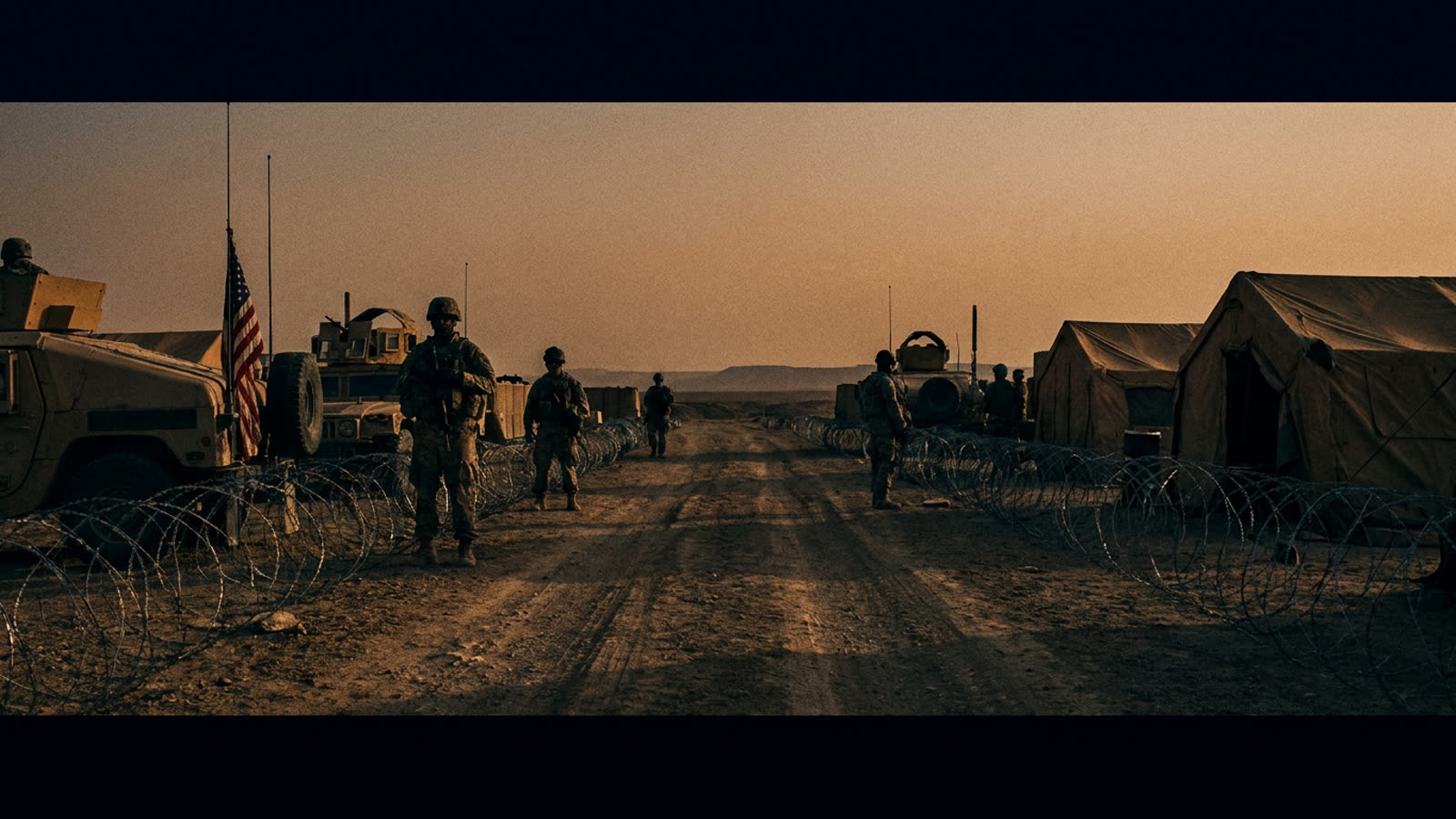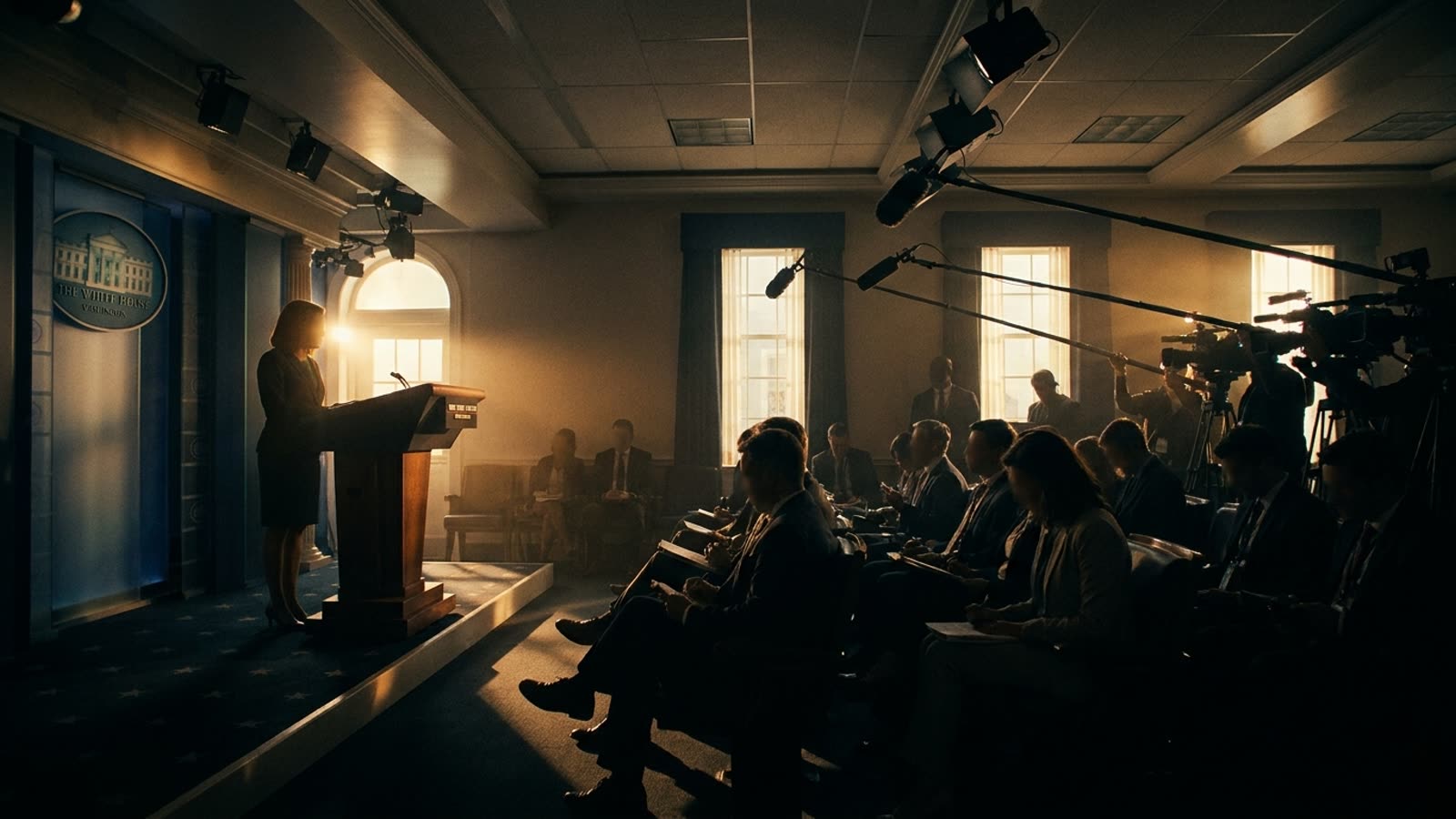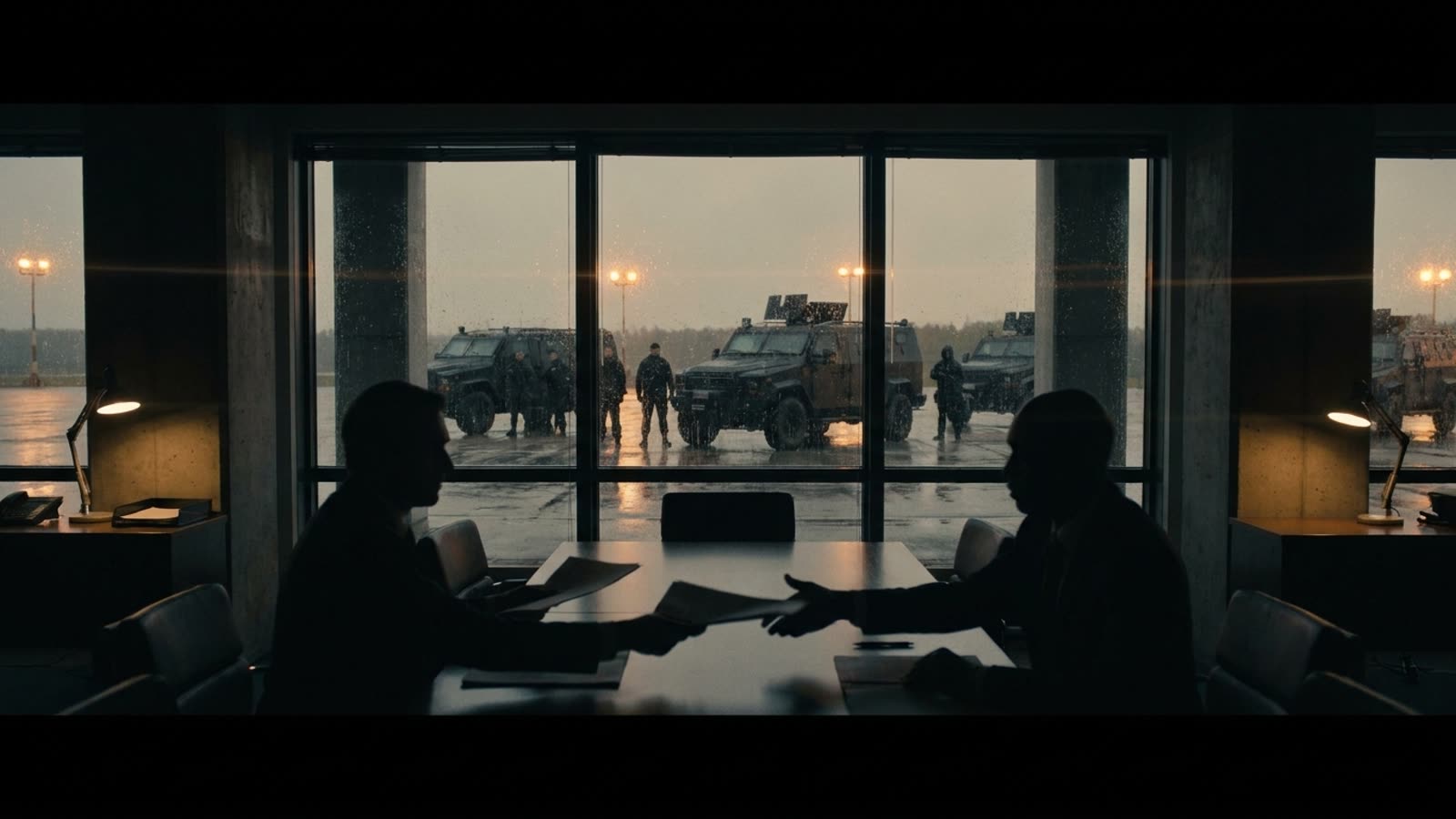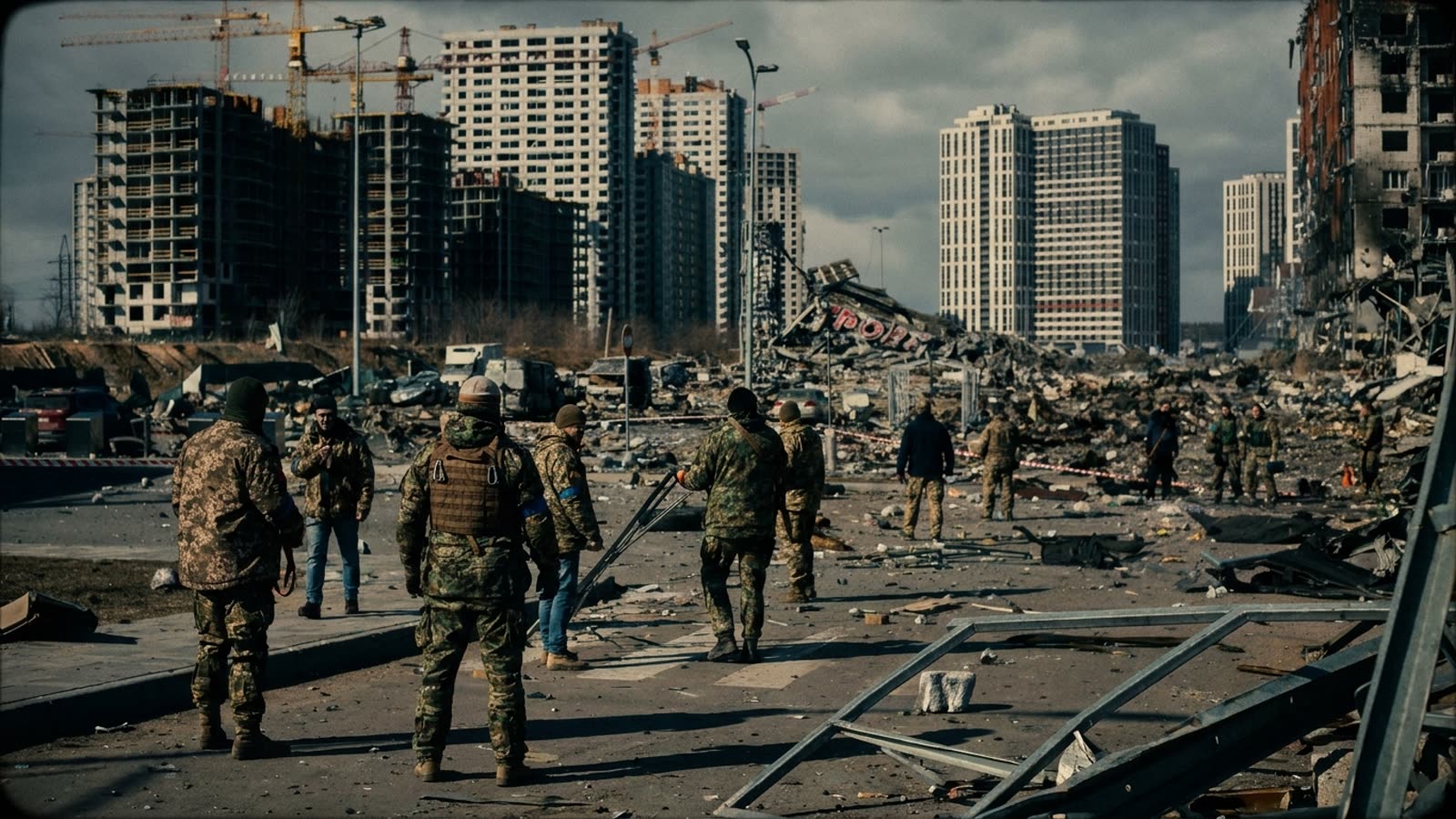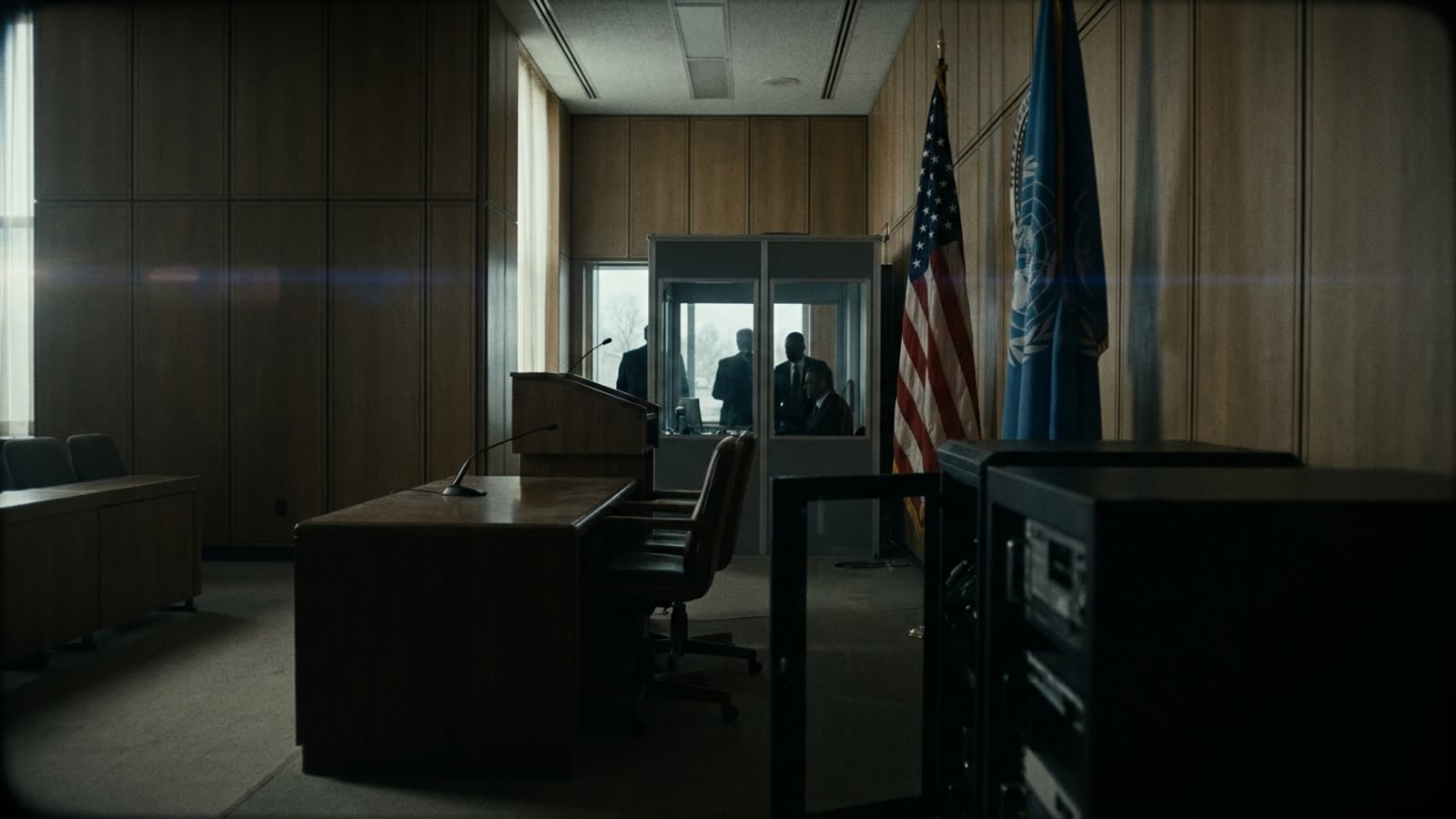
A peace deal without a verification mechanism is not a peace deal—it is a press release with geopolitical ambitions. President Trump's announcement that Iran has agreed to surrender its enriched uranium stockpile represents either a historic diplomatic breakthrough or an elaborate exercise in mutual face-saving, and the distinction hinges entirely on details that neither Washington nor Tehran has provided.
The framework reportedly emerged from back-channel negotiations accelerated by three months of military pressure, with Gulf state intermediaries playing a crucial role in bridging positions that seemed irreconcilable weeks ago. Iran's apparent willingness to relinquish enriched material—the core demand of Western nonproliferation policy for two decades—would constitute a remarkable reversal if implemented. The operative word is "if."
The inspection problem
The 2015 Joint Comprehensive Plan of Action, whatever its political controversies, established an intricate verification architecture: continuous IAEA monitoring, environmental sampling, declared facility inspections, and mechanisms for investigating undeclared sites. That agreement took years to negotiate precisely because verification is where nuclear diplomacy succeeds or fails.
The Trump administration has provided no comparable framework. Officials have gestured toward "robust monitoring" without specifying who monitors, how access is guaranteed, or what happens when—not if—disputes arise over compliance. Iranian statements have been similarly vague, celebrating the lifting of sanctions pressure while remaining silent on inspection protocols.
Domestic politics on both sides
The timing serves immediate political needs in both capitals. Trump faces mounting questions about a military campaign that has proven costlier and less decisive than initially projected. A diplomatic victory, however provisional, changes the narrative from quagmire to triumph. Iranian leadership, meanwhile, confronts an economy battered by renewed sanctions and military expenditures, with domestic unrest simmering beneath the surface.
This alignment of incentives explains why a deal materialized but also why skepticism is warranted. Agreements born from mutual desperation often contain the seeds of their own unraveling—each side tempted to pocket immediate gains while deferring difficult implementation questions.
What comes next
The next sixty days will reveal whether this announcement represents substance or theater. Uranium transfer logistics alone—securing, transporting, and verifying fissile material—require technical coordination that cannot be improvised. If those processes begin visibly and verifiably, the deal gains credibility. If the coming weeks bring only additional announcements and photo opportunities, markets and allies should adjust expectations accordingly.
Our take
Wanting this deal to work is reasonable; assuming it will work is not. The administration has earned skepticism through three years of announcements that outpaced implementation across multiple policy domains. Iran has earned skepticism through decades of nuclear opacity. Trust but verify was Reagan's formula; Trump has offered verify later, trust now. That is not how durable agreements are built.