The Trump administration's effort to financially compensate Americans it claims were unfairly targeted by federal law enforcement has collided with the judiciary's skepticism about executive overreach.
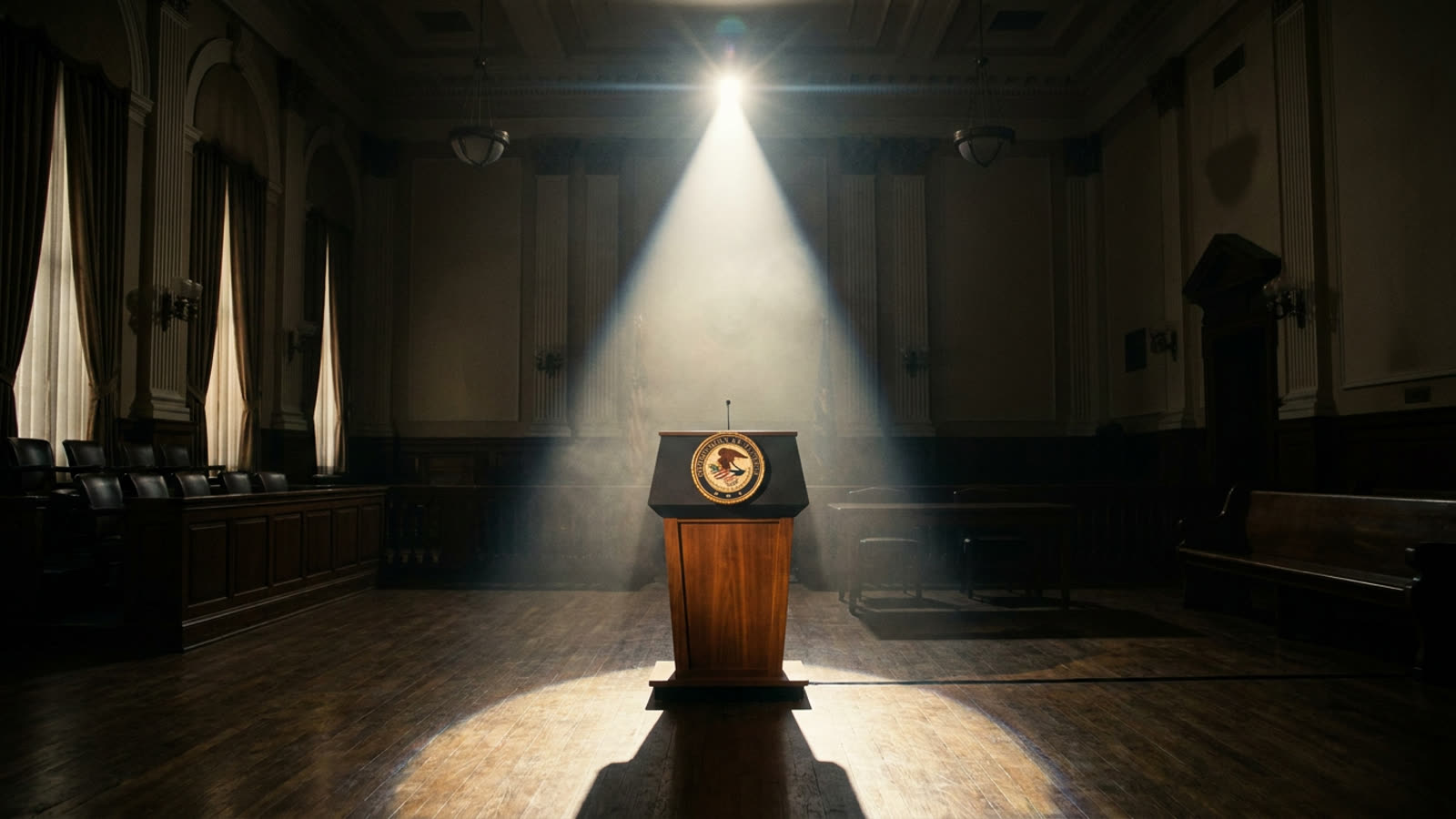
A federal judge has halted work on the so-called "anti-weaponization fund," a mechanism the administration established to distribute payments to individuals it deems victims of politicized prosecution under the Biden administration. The injunction represents the first significant legal check on one of the more unusual initiatives of Trump's second term—an attempt to use executive authority not merely to pardon or dismiss cases, but to actively compensate those the president believes were wronged.
The fund's architecture
The anti-weaponization fund emerged from the administration's broader narrative that the Department of Justice under Biden was transformed into a partisan instrument. Rather than simply reversing prosecutorial decisions through pardons—which Trump has done liberally—the fund sought to go further, providing monetary relief to a category of people the administration would define.
The constitutional problem is obvious: Congress appropriates funds, not the executive branch. The administration's legal theory apparently rested on creative interpretations of existing settlement authorities, but the judge found this reasoning unpersuasive enough to warrant freezing the program while litigation proceeds.
Judicial independence under pressure
The ruling arrives during a period of extraordinary tension between the Trump administration and the federal judiciary. The president has openly questioned judicial legitimacy, suggested defying court orders, and floated impeachment of judges who rule against him. In this context, the injunction reads as a quiet reassertion of institutional boundaries.
The judge's willingness to intervene suggests the courts remain prepared to police executive action, even when doing so invites presidential fury. Whether that judicial independence can survive sustained political assault remains the deeper question of this constitutional moment.
The politics of victimhood
The fund's suspension will not satisfy the administration's critics, who view the entire concept as an abuse of power—essentially using public money to reward political allies. Nor will it satisfy supporters, who see the injunction as further evidence that the "deep state" extends into the judiciary itself.
What it does accomplish is delay, forcing the administration to either appeal or redesign the program with firmer legal footing. Given the White House's preference for confrontation over accommodation, an appeal seems likely.
Our take
The anti-weaponization fund was always more symbolic than substantive—a way to validate grievances rather than address systemic problems. Its legal vulnerability was apparent from inception. That a federal judge has now confirmed those doubts is less a surprise than a reminder that constitutional constraints still function, however imperfectly. The administration will rage; the courts will proceed. This is how the system is supposed to work, even when neither side believes the other is acting in good faith.