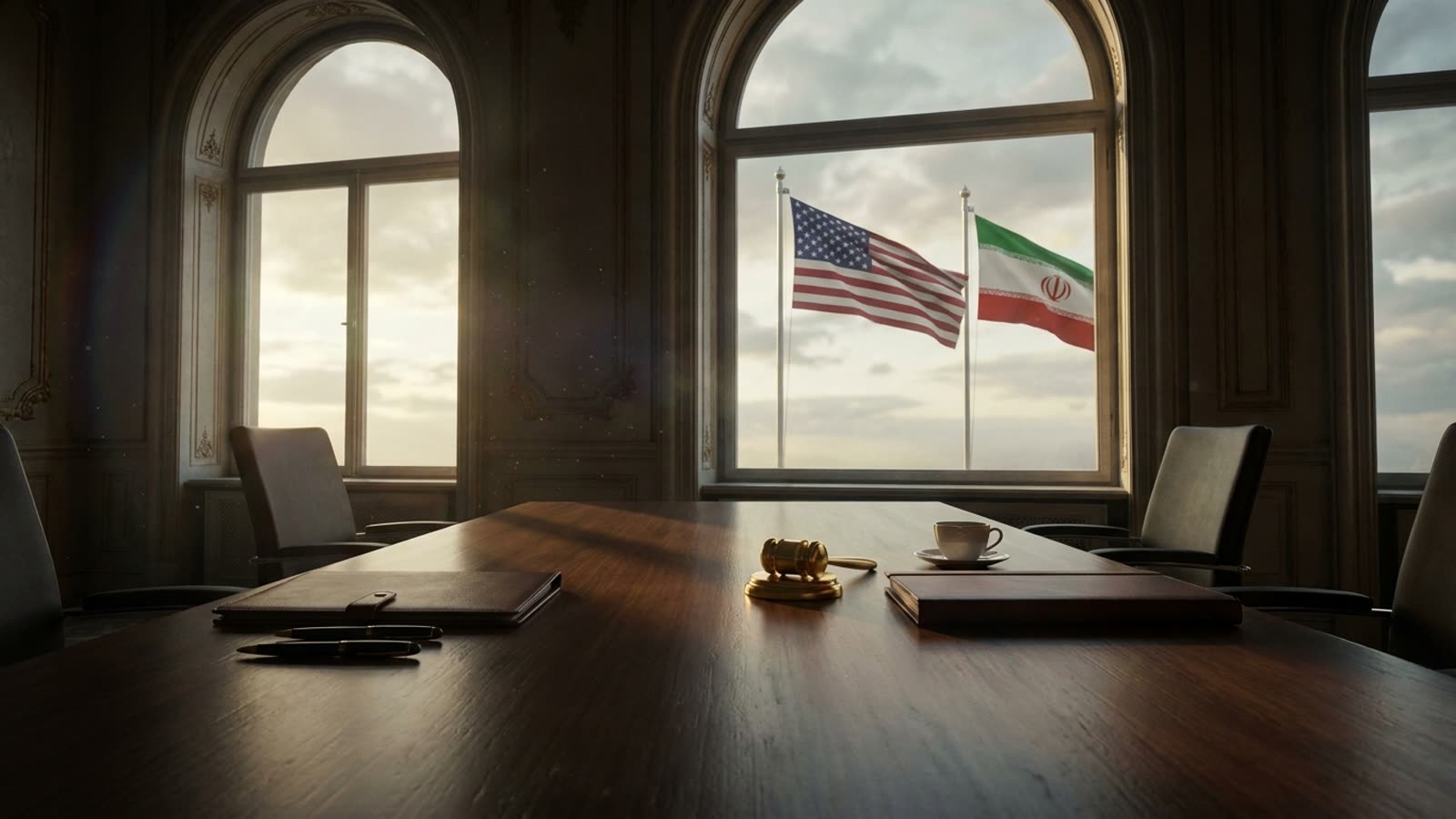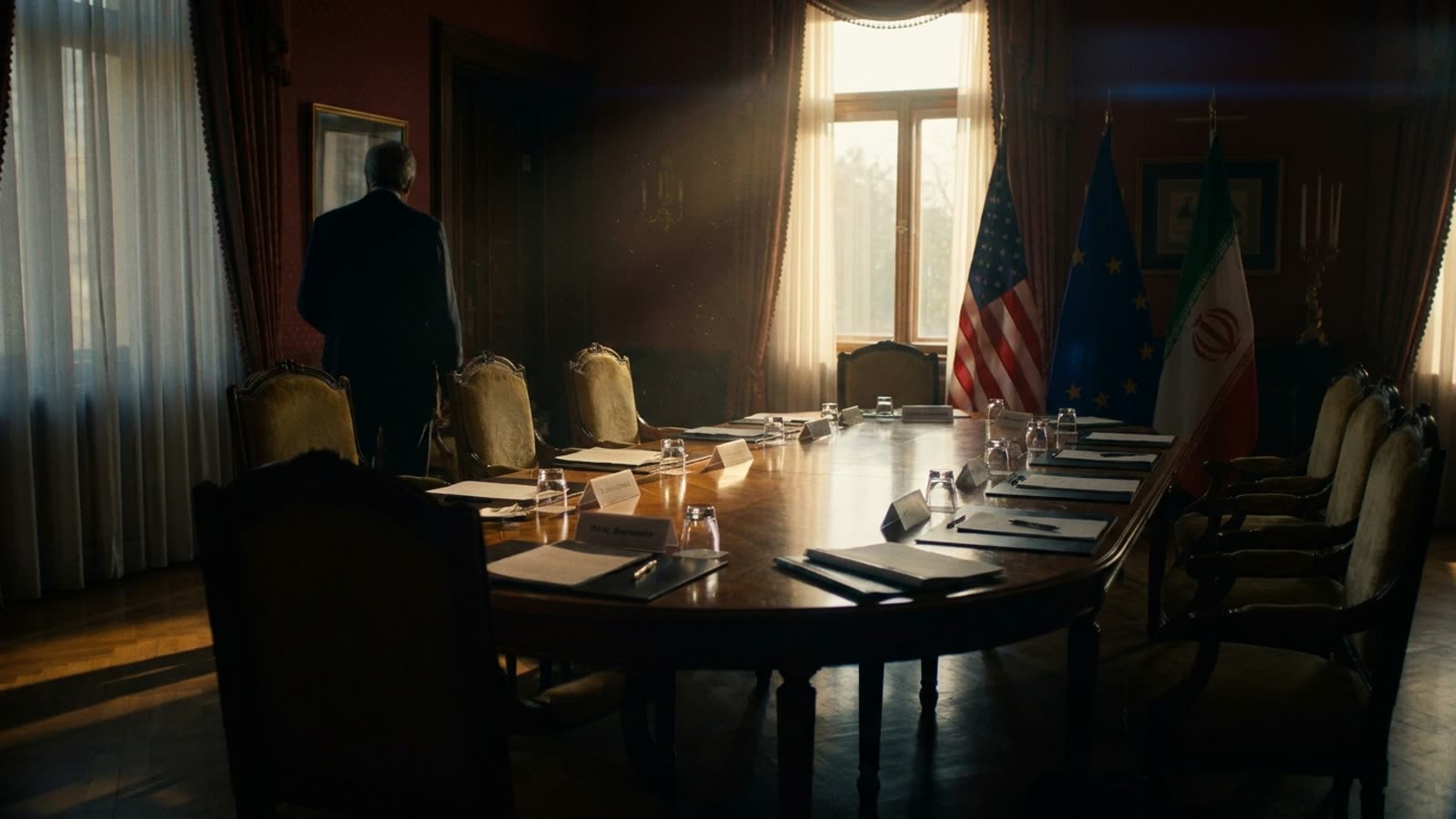
The ceasefire extension now awaiting Trump's signature is not really about stopping the shooting — it is about buying time to resolve the only question that actually matters: what happens to Iran's nuclear material.
While the White House trumpets diplomatic progress and Tehran celebrates sanctions relief, neither side has publicly addressed the elephant in the negotiating room. Iran's stockpile of enriched uranium has grown substantially since the collapse of the 2015 nuclear deal, and some portion of it has been enriched to levels that bring the country closer to weapons-grade capability than at any point in its history. No framework deal can claim success without a credible plan to neutralize this material.
The stockpile problem
Iran's nuclear program has operated in a gray zone for years — technically civilian, practically ambiguous. The enrichment levels Tehran has achieved go well beyond what any power plant requires, and international inspectors have repeatedly flagged gaps in their ability to verify the program's full scope. The Trump administration has made rolling back this capability a stated priority, but the mechanics of verification remain fiendishly complex.
Shipping enriched uranium out of the country would require Iranian consent that may not be forthcoming. Diluting it domestically would demand monitoring arrangements Tehran has historically resisted. And simply freezing the program at current levels would leave Iran with latent breakout capacity — a outcome hawks in Washington and Jerusalem would view as capitulation dressed up as compromise.
What Trump actually wants
The president's approach to Iran has always been transactional rather than ideological. He wants a deal he can sell as superior to Obama's, which means extracting concessions the 2015 agreement did not achieve. The nuclear stockpile is the most visible metric by which any new framework will be judged.
But Trump also wants the deal quickly. His political calendar does not accommodate years of technical negotiations over centrifuge cascades and inspection protocols. This creates a tension between the comprehensive dismantlement his rhetoric promises and the partial arrangements that diplomacy can realistically deliver in the available timeframe.
Tehran's calculation
Iran's leadership understands that its nuclear program is both a liability and its most valuable bargaining chip. Surrendering the stockpile without ironclad guarantees of sanctions relief and security assurances would be politically suicidal for any Iranian government. The memory of Trump's unilateral withdrawal from the 2015 deal looms large — Tehran has no reason to trust that any American commitment will survive a change in administration.
This explains Iran's insistence on front-loaded benefits and phased compliance. They want the economic relief before they give up the uranium, not after. Washington wants the reverse. Bridging this gap requires either extraordinary trust between parties that have none, or creative mechanisms that neither side has yet proposed publicly.
Our take
The ceasefire extension is real progress, but it is progress toward a negotiation, not a resolution. Until someone explains how Iran's enriched uranium gets neutralized — and how both sides can verify that neutralization without either losing face — the framework deal remains an elegant scaffolding around an empty structure. Trump may get his signing ceremony, but the hard physics of fissile material will outlast any diplomatic communiqué.