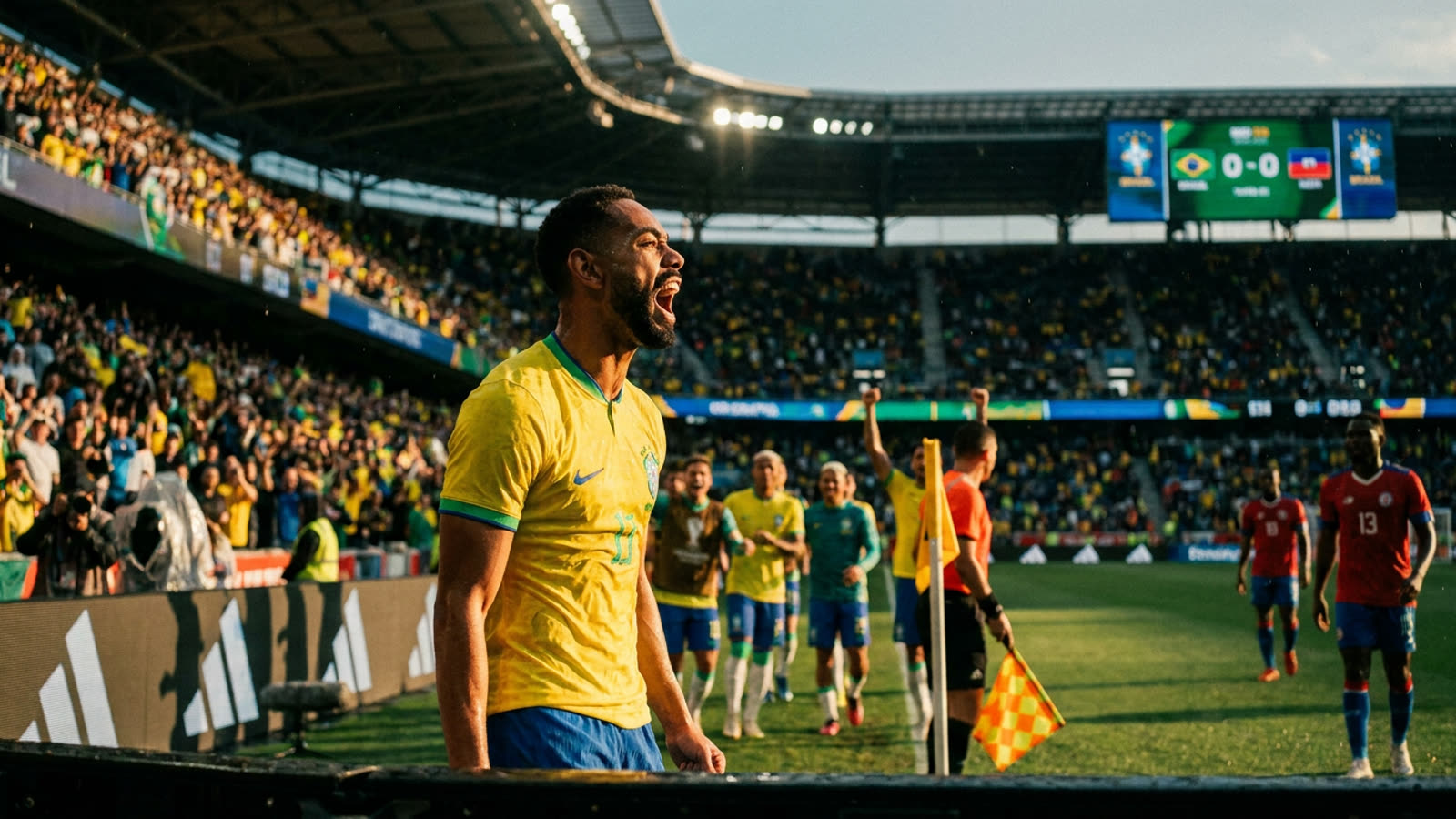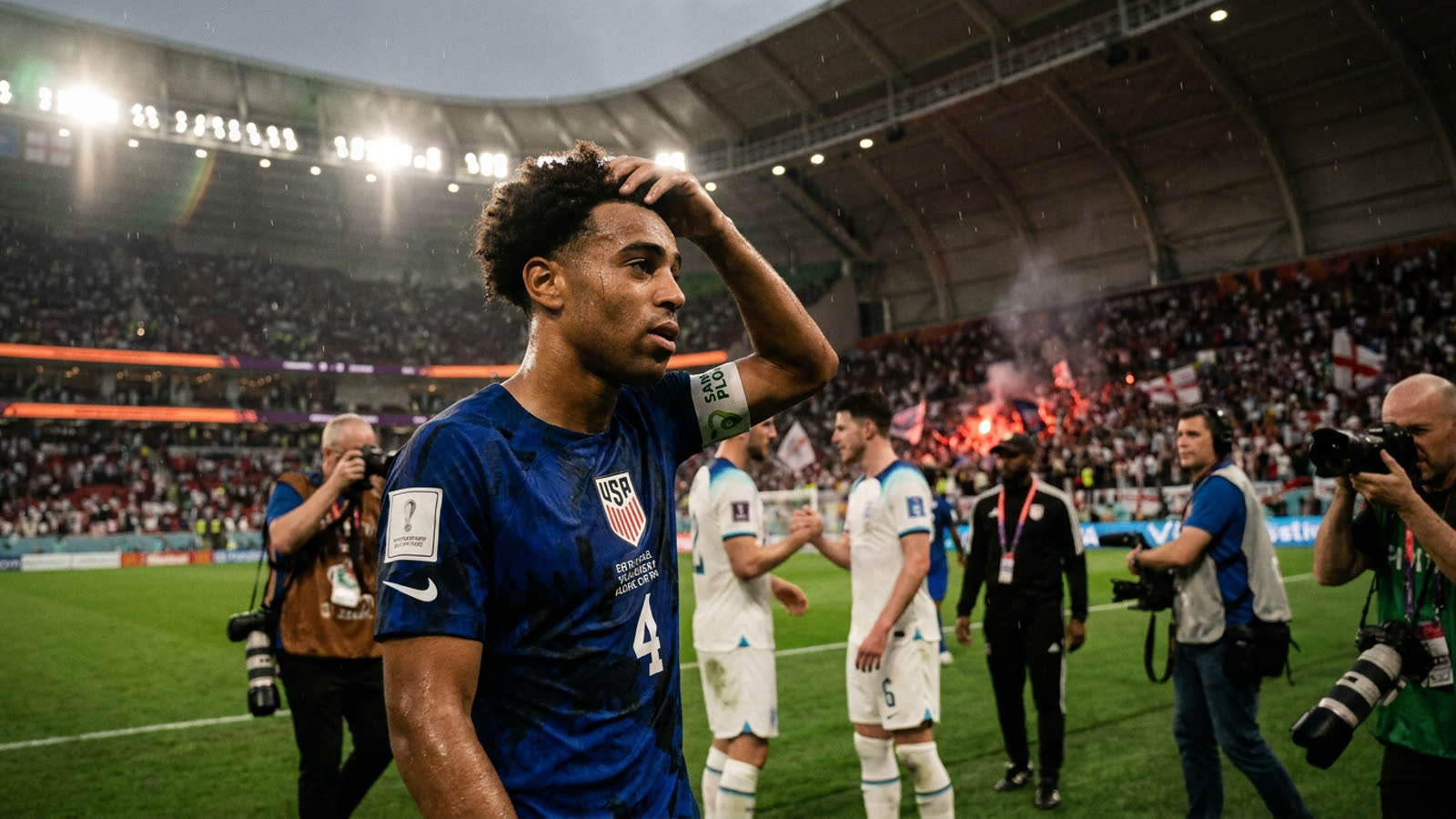
George Weah won the Ballon d'Or in 1995, became president of Liberia, and cast a shadow so long it threatened to swallow his son's entire career. Timothy Weah has spent a decade trying to step out of it. At this World Cup, he finally has.
The American winger's performances in the group stage—two assists against Haiti, a goal against Australia, and the kind of relentless pressing that makes defenders visibly anxious—have established him as something his father never was: a genuine threat in American colors. George played for Monaco, PSG, and AC Milan; Timothy plays for the United States. The distinction matters more than the shared surname.
The Juventus education
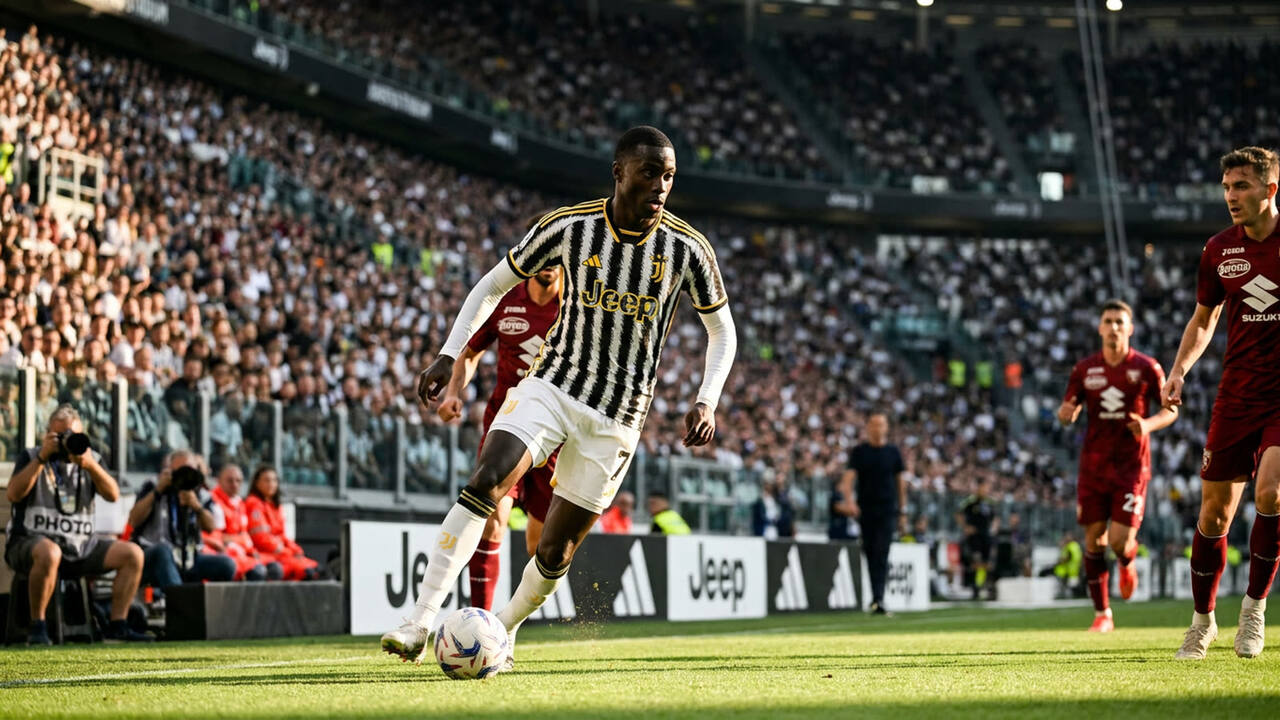
Weah's path to this moment wound through some of European football's most demanding institutions. Paris Saint-Germain's academy taught him technique. Loans at Celtic and Lille taught him physicality. But it was his move to Juventus in 2022 that transformed him from promising prospect to reliable starter.
Italian football is unforgiving to wingers who cannot defend. Serie A fullbacks are tactical, not athletic; they will exploit any forward who drifts out of position. Weah learned to track back, to time his runs, to understand that football is a game of space and denial as much as creation. The education shows in his World Cup performances: he has won more duels than any other American attacker and completed defensive actions that would have been unthinkable four years ago.
The burden of famous fathers
American sports are littered with the wreckage of famous sons. Ken Griffey Jr. transcended his father's legacy; most others did not. The pressure is different in soccer, where global audiences and longer memories mean comparisons never fade. Every time Timothy Weah touches the ball, someone somewhere mentions George.
The younger Weah has handled this with unusual grace. He rarely discusses his father's career in interviews, preferring to focus on his own trajectory. When asked about the Ballon d'Or, he deflects. When asked about Liberian politics, he demurs. The message is clear: he is building something separate, even if the foundation was inherited.
What the knockout rounds demand
The United States will face tougher opponents in the elimination rounds, and Weah's role will become more critical. Christian Pulisic remains the team's most talented player, but his fitness is uncertain and his tendency to drift central leaves space on the wings. Weah fills that space with purpose.
His partnership with Tyler Adams—both products of American youth development who matured in European leagues—represents the USMNT's present and future. They understand each other's movements instinctively, having played together since their teens. When Weah receives the ball wide, Adams is already anticipating where the return pass should go.
Our take
Timothy Weah will never escape his father's name, but he no longer needs to. At 26, playing in a World Cup on home soil, he has become exactly what American soccer needs: a player good enough to start for a top European club, humble enough to work within a system, and mature enough to handle the pressure of a nation's expectations. George Weah was a singular talent who transcended his country's limitations. Timothy is something more useful—a very good player who makes his teammates better. The USMNT will take that trade.