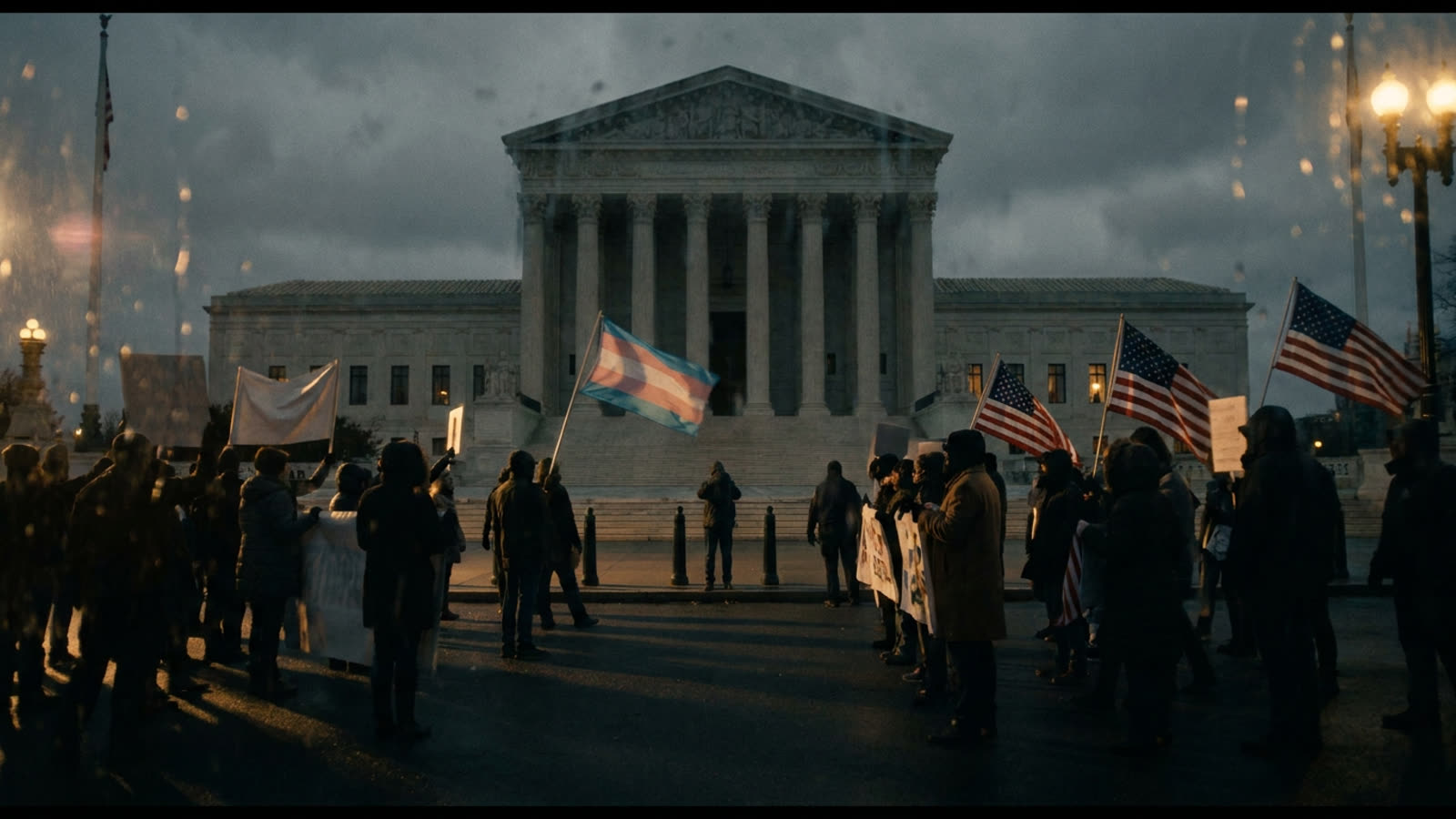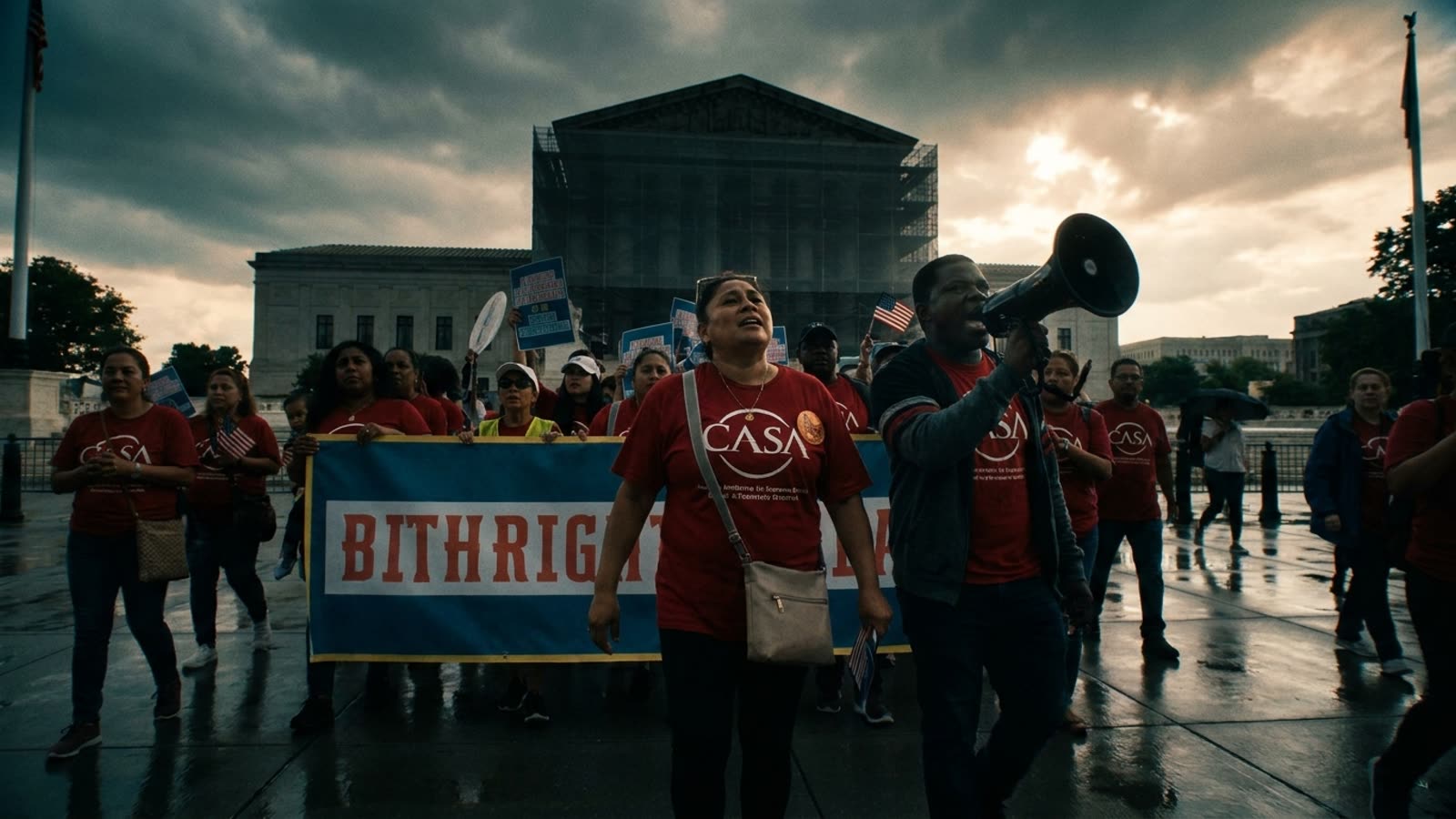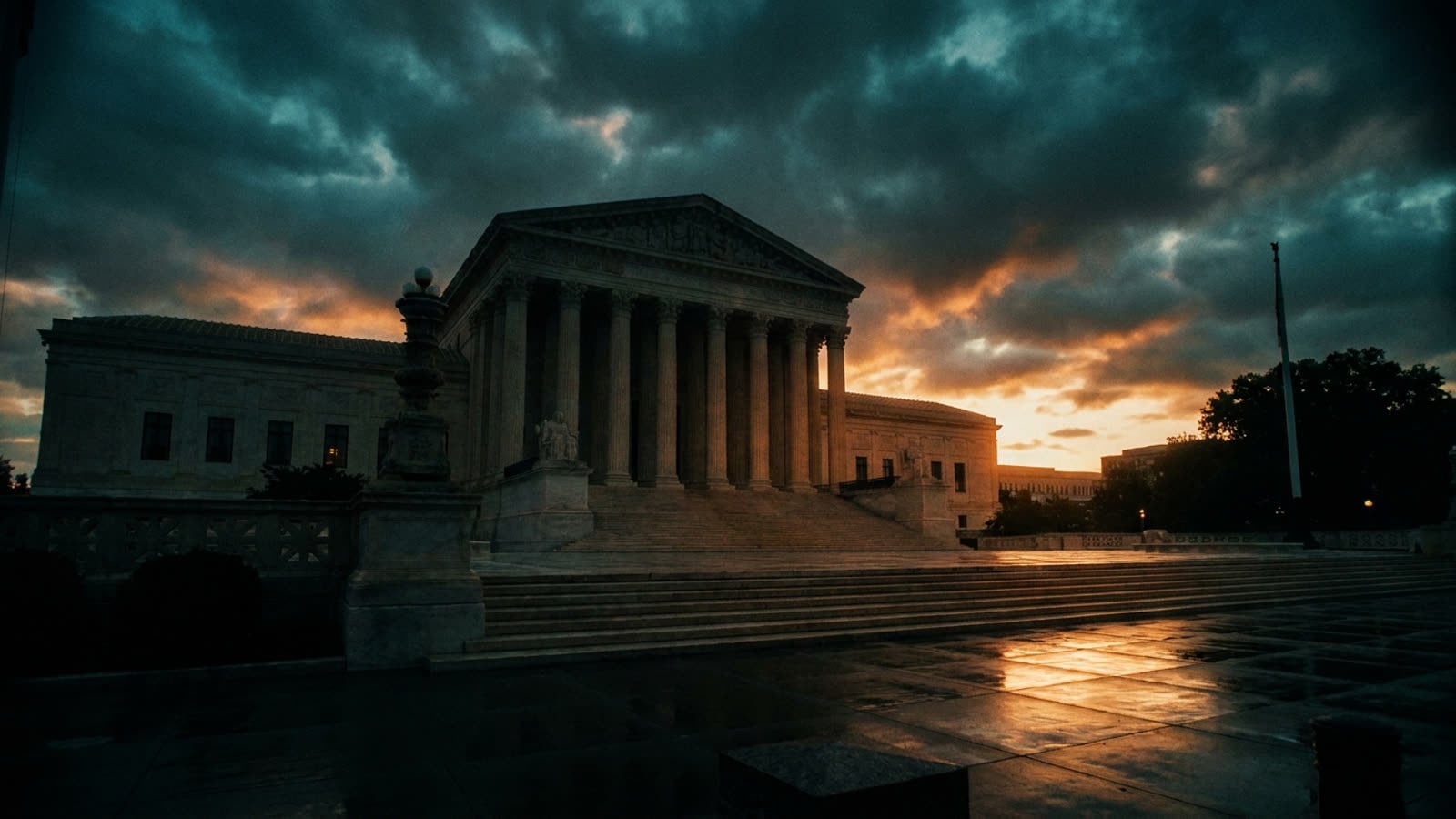
The last meaningful guardrails on money in American politics fell today. In a ruling that will reverberate through every congressional race, gubernatorial contest, and presidential campaign for a generation, the Supreme Court struck down the spending limits Congress enacted in the aftermath of Watergate, declaring them an unconstitutional restraint on political speech.
The decision extends the logic of Citizens United to its natural conclusion. If corporations and unions can spend unlimited sums on independent expenditures, the Court reasoned, then capping what candidates and parties themselves can spend creates an incoherent two-tier system that disadvantages the very actors voters actually see on the ballot. The majority opinion, written by Justice Alito, frames the ruling as a vindication of the First Amendment's core purpose: ensuring that political debate remains "uninhibited, robust, and wide-open."
What the Watergate caps actually did
The Federal Election Campaign Act of 1974, passed in the shadow of Nixon's resignation, imposed strict limits on how much candidates could spend in federal races—originally around $70,000 for House seats and $150,000 for Senate campaigns, adjusted for inflation over the decades. The caps were always somewhat porous, riddled with exceptions for party committees and independent groups. But they served a symbolic and practical function: they signaled that democratic participation should not be a pure auction, and they gave underfunded challengers at least a theoretical chance against entrenched incumbents.
That theory is now constitutional history. With no ceiling on candidate spending, the advantage shifts decisively to those who can self-fund or who enjoy access to the wealthiest donor networks. Senate races that already routinely exceed $100 million will balloon further. The premium on fundraising prowess—already the dominant skill in modern campaigning—becomes absolute.
The political fallout begins immediately
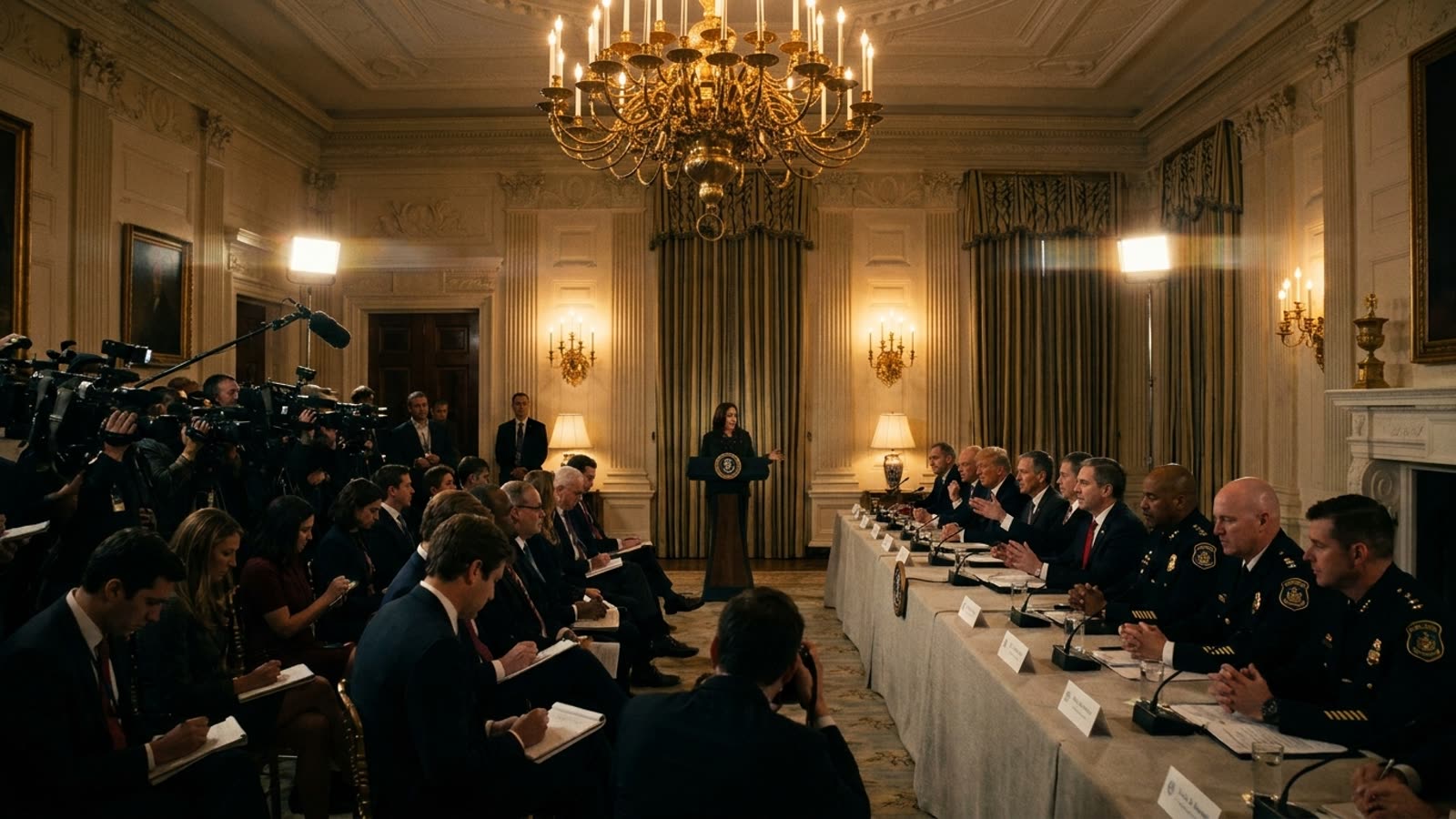
President Trump, in a statement released within an hour of the ruling, called it "a tremendous victory for Republicans and for free speech." The comment was characteristically blunt and not entirely wrong. The GOP's donor base, concentrated among fewer but wealthier individuals, stands to benefit disproportionately from a system where spending has no upper bound. Democrats, whose small-dollar fundraising apparatus has been a point of pride, will now face the strategic question of whether to match Republican megadonors dollar for dollar or double down on grassroots mobilization in a landscape where grassroots may simply be outspent.
The 2028 presidential race, already taking shape in exploratory committees and donor dinners, just became a fundamentally different contest. Candidates who might have hesitated to enter a crowded primary—knowing that spending limits created at least some equilibrium—now face a starker calculation: either secure a billionaire patron or watch your message drowned out by those who have.
Our take
The Court is not wrong that money is a form of speech, and that restricting it raises genuine constitutional concerns. But the Watergate reforms were never primarily about silencing anyone; they were about preventing the corrosive perception—and often the reality—that public office is for sale. Today's ruling completes the transformation of American elections into a contest of financial endurance. The winners will be those with the deepest pockets or the fewest scruples about where the money comes from. The losers will be everyone who believed that democracy should be something more than an auction with better marketing.