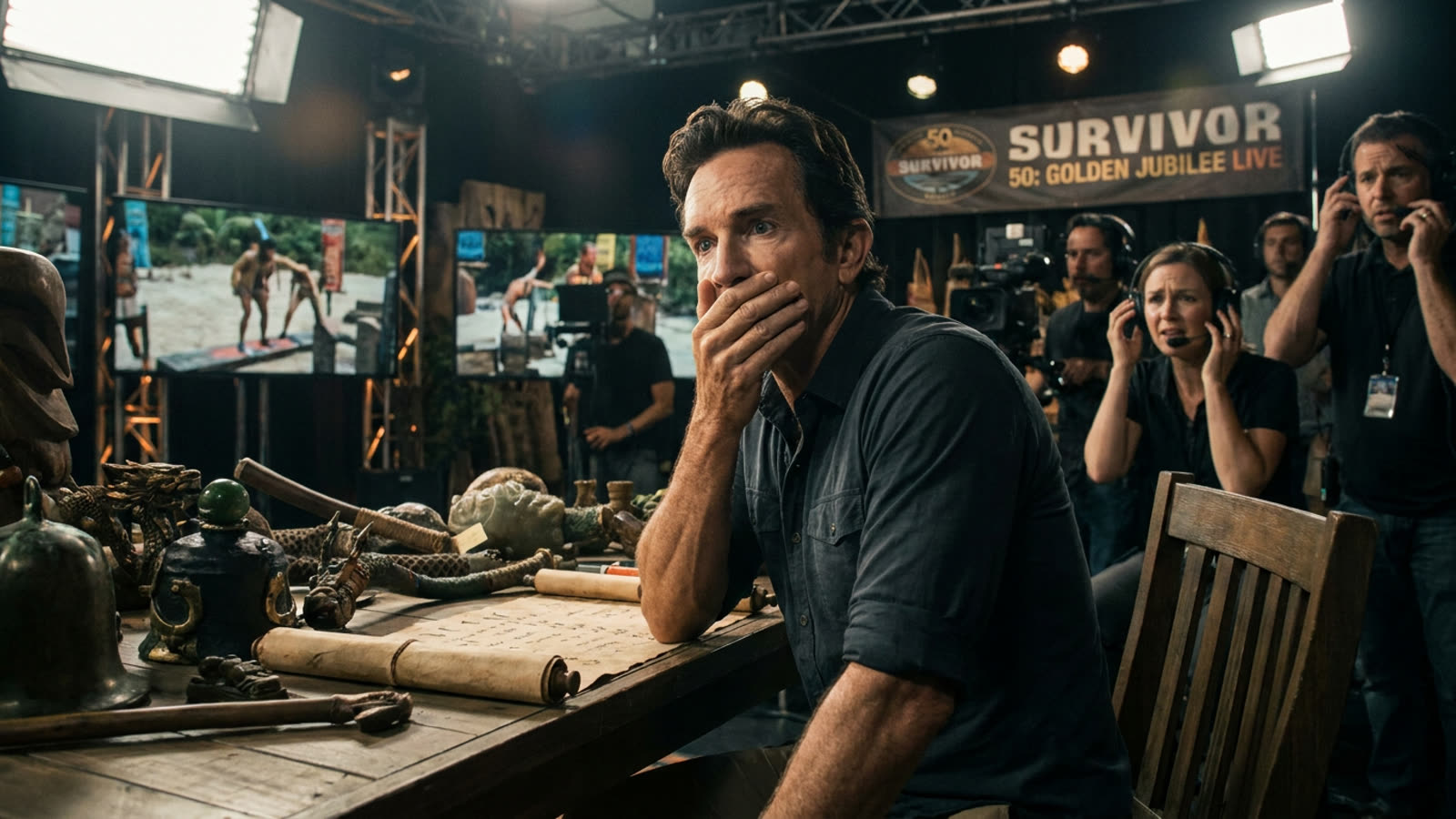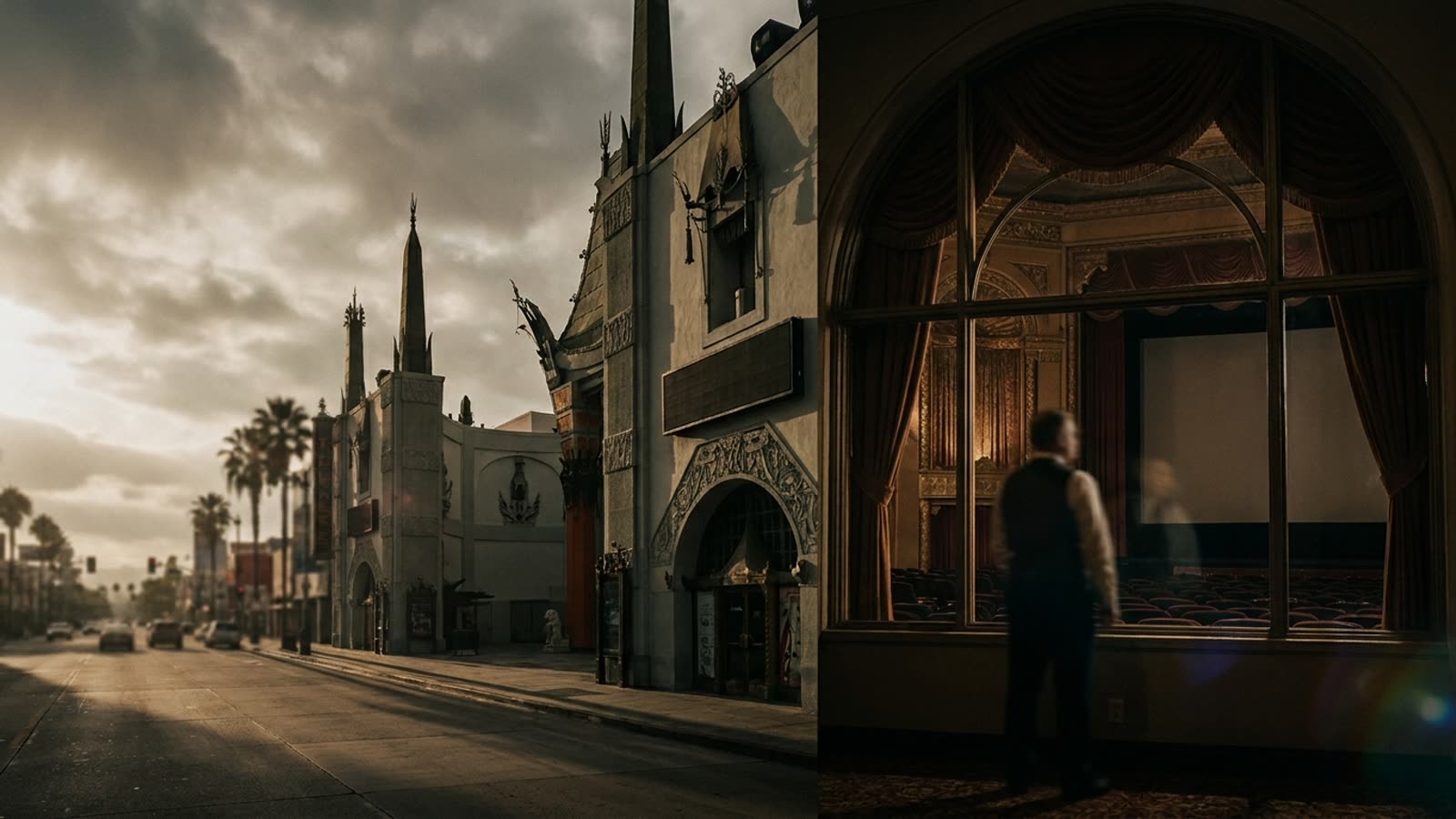
The film industry enters its most consequential summer in a generation not with swagger but with something closer to existential dread dressed in marketing confidence.
From Memorial Day through Labor Day, studios will release a parade of would-be tentpoles—superhero sequels, legacy franchise extensions, prestige director passion projects—collectively representing roughly 40% of the annual box office. The math is simple: if summer fails, the year fails. What's less simple is whether the playbook that built modern Hollywood still applies to audiences who spent the pandemic years discovering they could watch almost anything from their couches.
The superhero question mark
Marvel and DC once seemed like perpetual motion machines, converting comic-book IP into reliable billions. That certainty has curdled. Recent entries have underperformed against their budgets, and the cultural conversation has shifted from anticipation to fatigue. The question isn't whether superhero films will make money—they will—but whether they can make enough money to justify their swelling production and marketing costs. A $400 million gross that would have been a triumph in 2015 now looks like a write-down waiting to happen.
Spielberg and the auteur gamble
Steven Spielberg returning to summer tentpole territory should, in theory, be a coronation. In practice, it's a test of whether directorial prestige still translates to opening weekends. Younger audiences have no memory of Jaws as a cultural event; they know Spielberg as a name their parents mention reverently. The generational handoff that once seemed automatic now requires proof.
The theatrical window's last stand
Streaming platforms have trained viewers to wait. Why brave parking lots and $18 popcorn when the same film will arrive on your television in 45 days? Studios have responded by shortening windows further, which only accelerates the training. Summer 2026 will show whether any theatrical experience—IMAX spectacle, air-conditioned escape, communal laughter—can compete with patience and a subscription.
Our take
Hollywood's summer strategy resembles a gambler doubling down after a losing streak: the bets are bigger, the confidence louder, the underlying anxiety more palpable. The industry isn't wrong that audiences still crave shared cinematic experiences—the success of outliers like Barbenheimer proved that. But those successes came from genuine cultural moments, not from franchise obligation. If summer 2026 teaches Hollywood anything, it should be that spectacle alone no longer guarantees attendance. The audience has options now, and options breed selectivity.