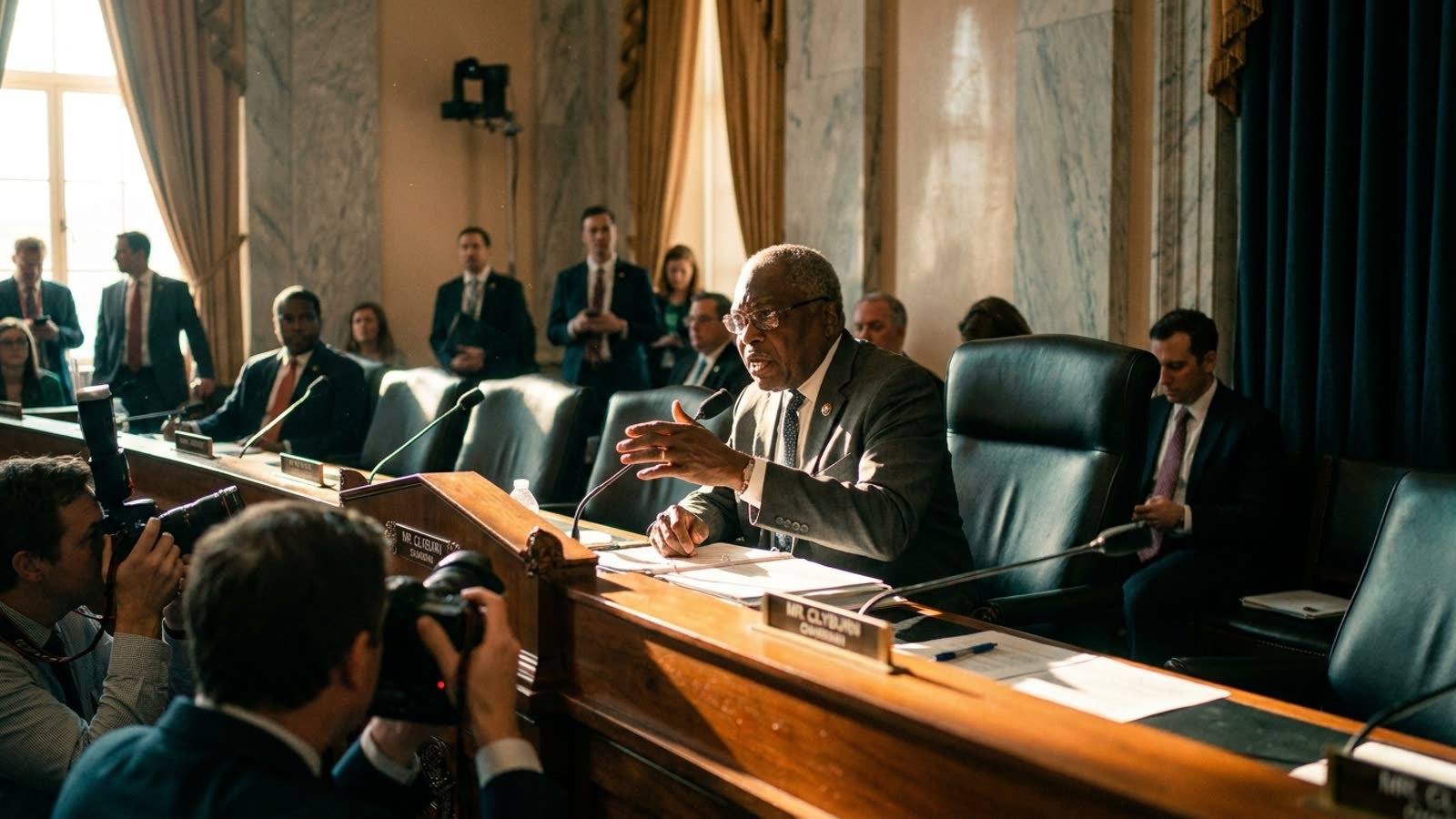
The Republican Party controls every lever of power in South Carolina—the governorship, both legislative chambers, and the entire congressional delegation save one. That one exception is Jim Clyburn, the 85-year-old Democratic kingmaker whose endorsement rescued Joe Biden's 2020 campaign and whose Sixth District has been a Black-majority seat since 1993. President Trump wanted him gone. The South Carolina Senate said no.
The rejection, which came Monday on a bipartisan vote, is a rare instance of a state legislature openly defying Trump's direct intervention in local redistricting. The president had publicly called on South Carolina lawmakers to redraw the congressional map in a manner that would dilute Black voting power in the Sixth District, effectively ending Clyburn's four-decade congressional career. Instead, state senators—including several Republicans—voted to preserve the existing boundaries.
Why Republicans broke ranks
The calculus was not purely principled. South Carolina Republicans already hold six of the state's seven congressional seats; the marginal gain from capturing Clyburn's district would be offset by the near-certain federal litigation under the Voting Rights Act. The state only recently emerged from a bruising court battle over its First District map, which a panel found had been racially gerrymandered. Appetite for another round of depositions and discovery was limited.
There is also the Clyburn factor itself. The congressman, despite his age and minority-party status, remains a formidable figure in South Carolina politics, with relationships that cross racial and partisan lines built over half a century. Several Republican senators represent districts with significant Black populations and had no interest in a public war with a man many of their constituents revere.
The broader pattern
This is not the first time Trump has discovered that his influence over state legislatures is weaker than his influence over Congress. Governors and state senators face different electorates, different donor bases, and different incentive structures. They must win statewide or in districts where local concerns—roads, schools, property taxes—often matter more than presidential loyalty tests.
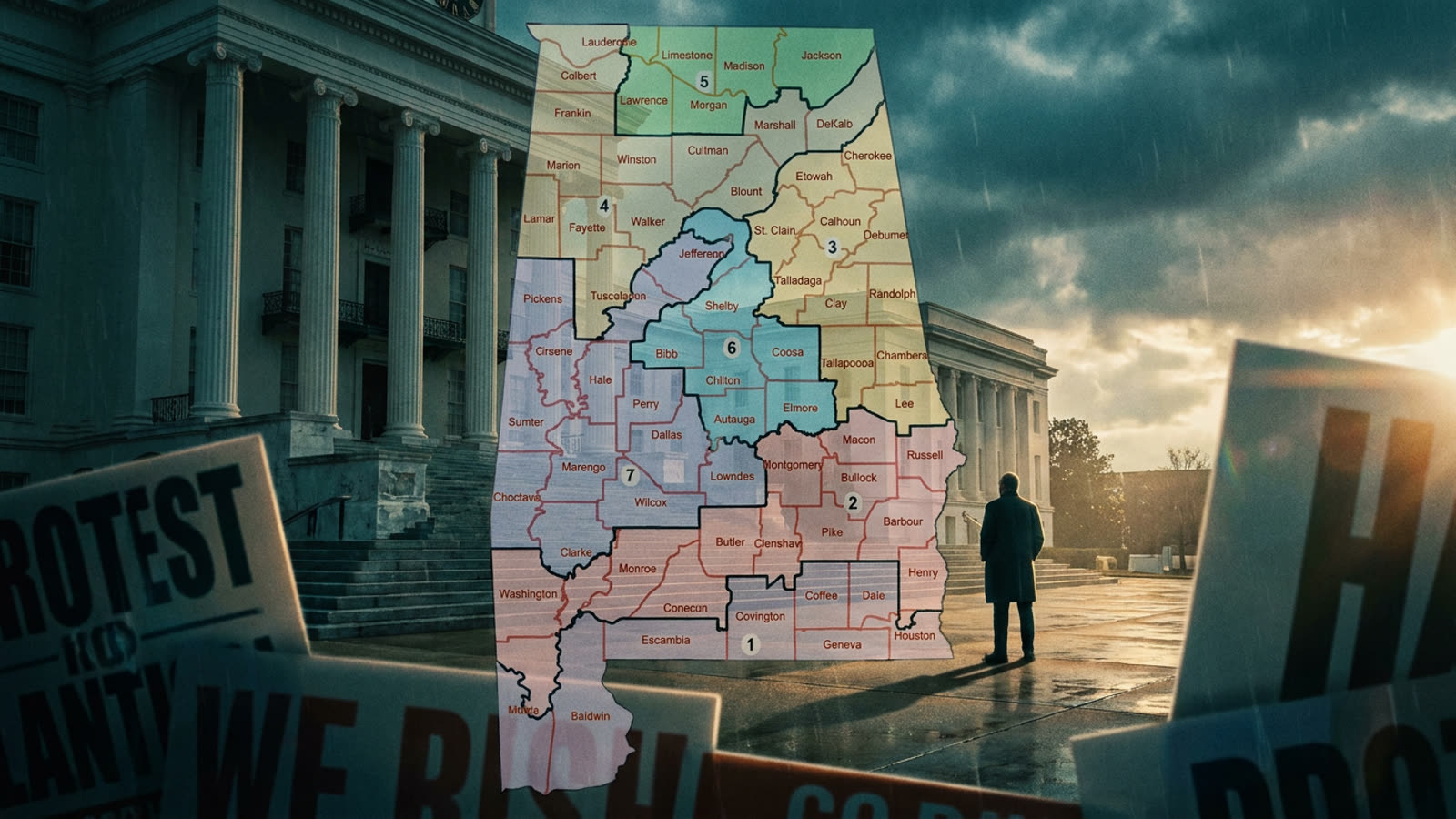
The South Carolina rebuke follows Alabama's recent court loss on its own racially gerrymandered House map, suggesting that the post-2020 redistricting wars are not the one-sided Republican romp that early maps implied. Courts remain willing to intervene, and at least some Republican legislators remain unwilling to bet their political futures on maps that may not survive judicial review.
Our take
Trump's demand was never really about winning a seat Republicans don't need; it was about humiliating a symbolic Democratic figure and demonstrating total command of the party apparatus. That the South Carolina Senate declined to play along is a small but meaningful data point. The MAGA coalition is formidable in primaries and on cable news, but it is not omnipotent in statehouses where legislators must answer to constituents who care more about potholes than presidential feuds. Clyburn, for now, keeps his seat—and Trump learns, again, that federalism cuts both ways.