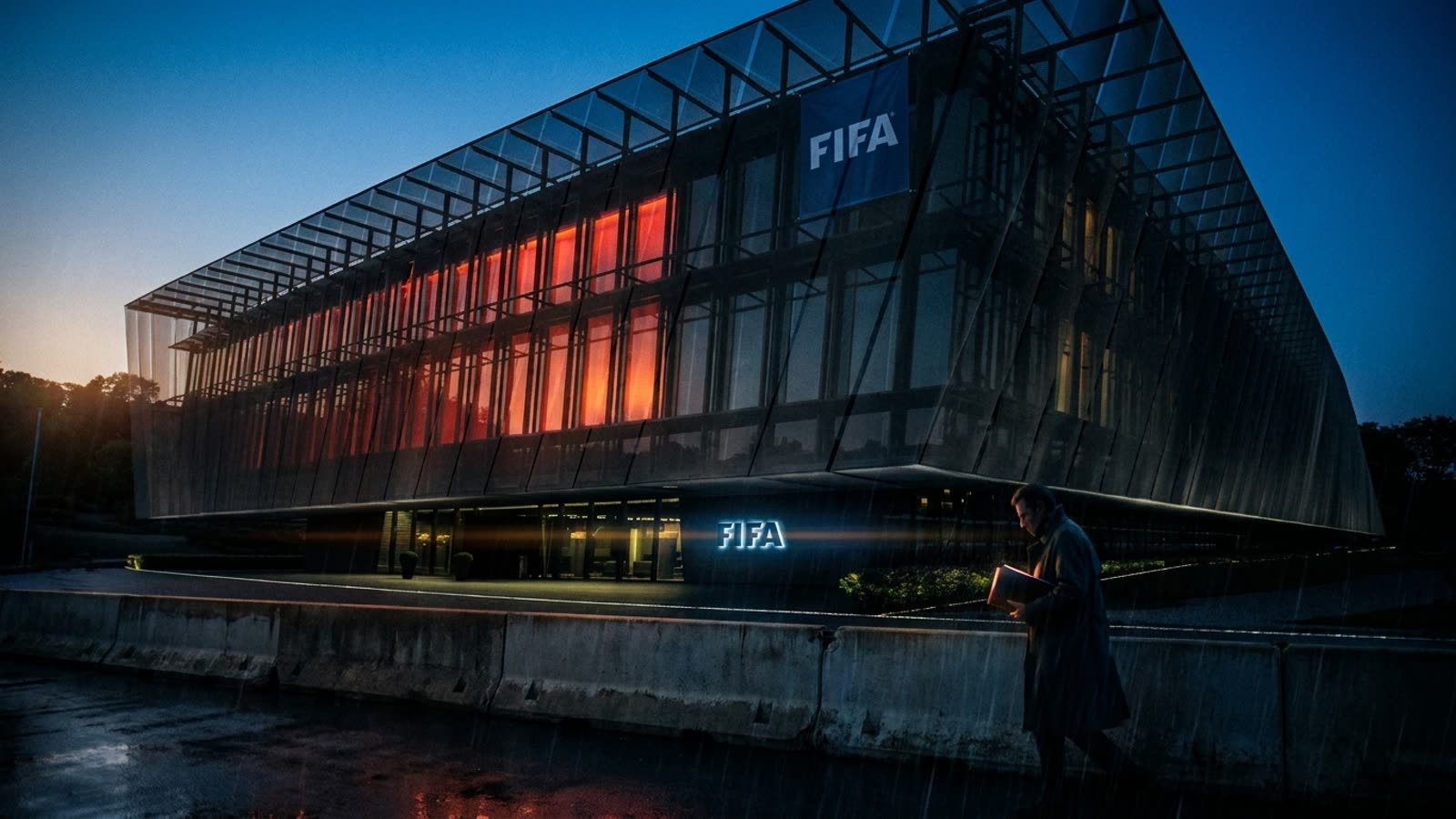
FIFA's elaborate preparations for the 2026 World Cup have focused on the usual anxieties: stadium readiness, broadcast rights, ticket allocation algorithms. What the governing body apparently did not anticipate was a referee with suspected links to terrorism slipping through its credentialing process.
An official confirmed this week that a Somali match official assigned to preliminary World Cup duties had been flagged by security services for connections to extremist networks. The disclosure, first reported by ESPN, has prompted an internal review and reignited a debate that football's administrators would prefer to avoid: how rigorously does FIFA actually vet the thousands of officials, volunteers, and support staff who gain access to the world's most-watched sporting event?
The vetting gap
FIFA's referee selection process is notoriously opaque. The organization evaluates officials on technical competence, fitness, and language skills, drawing from a pool nominated by member federations. Background checks exist, but their depth varies wildly depending on the federation involved. A referee from Germany or Japan undergoes scrutiny that a counterpart from a conflict zone or fragile state simply cannot receive—not because FIFA is negligent, but because reliable databases and intelligence-sharing agreements do not exist in many regions.
The Somali case illustrates the structural problem. Somalia's football federation, like the country itself, operates in an environment where formal record-keeping is fragmentary and security services are overstretched. FIFA relies heavily on national federations to vouch for their nominees, a system that works tolerably well in stable democracies but breaks down where state capacity is limited.
Precedent and pattern
This is not the first time security concerns have intersected with World Cup officiating. In 2010, South African authorities quietly removed several accredited personnel after last-minute intelligence flags. The 2022 Qatar tournament saw enhanced screening following regional geopolitical tensions, though FIFA never publicly detailed the criteria or any rejections. The pattern is consistent: problems surface, quiet fixes are applied, and the underlying vetting architecture remains unchanged.
The 2026 tournament, spread across the United States, Canada, and Mexico, presents unique challenges. Three host nations mean three separate security apparatuses that must coordinate with FIFA's own protocols. American officials, in particular, maintain extensive watchlists and are unlikely to tolerate the ambiguity that FIFA's decentralized vetting permits.
Our take
FIFA has spent decades cultivating an image of borderless universalism—football as the great unifier that transcends politics. That idealism is admirable, but it cannot excuse procedural sloppiness when the stakes involve terrorism. The Somali referee incident may prove to be an isolated failure, quickly corrected. Or it may be the visible tip of a systemic weakness that FIFA has chosen not to examine too closely. Either way, the organization owes its billion-plus viewers a clearer answer than "internal review." Background checks are boring until they fail. This one apparently did.