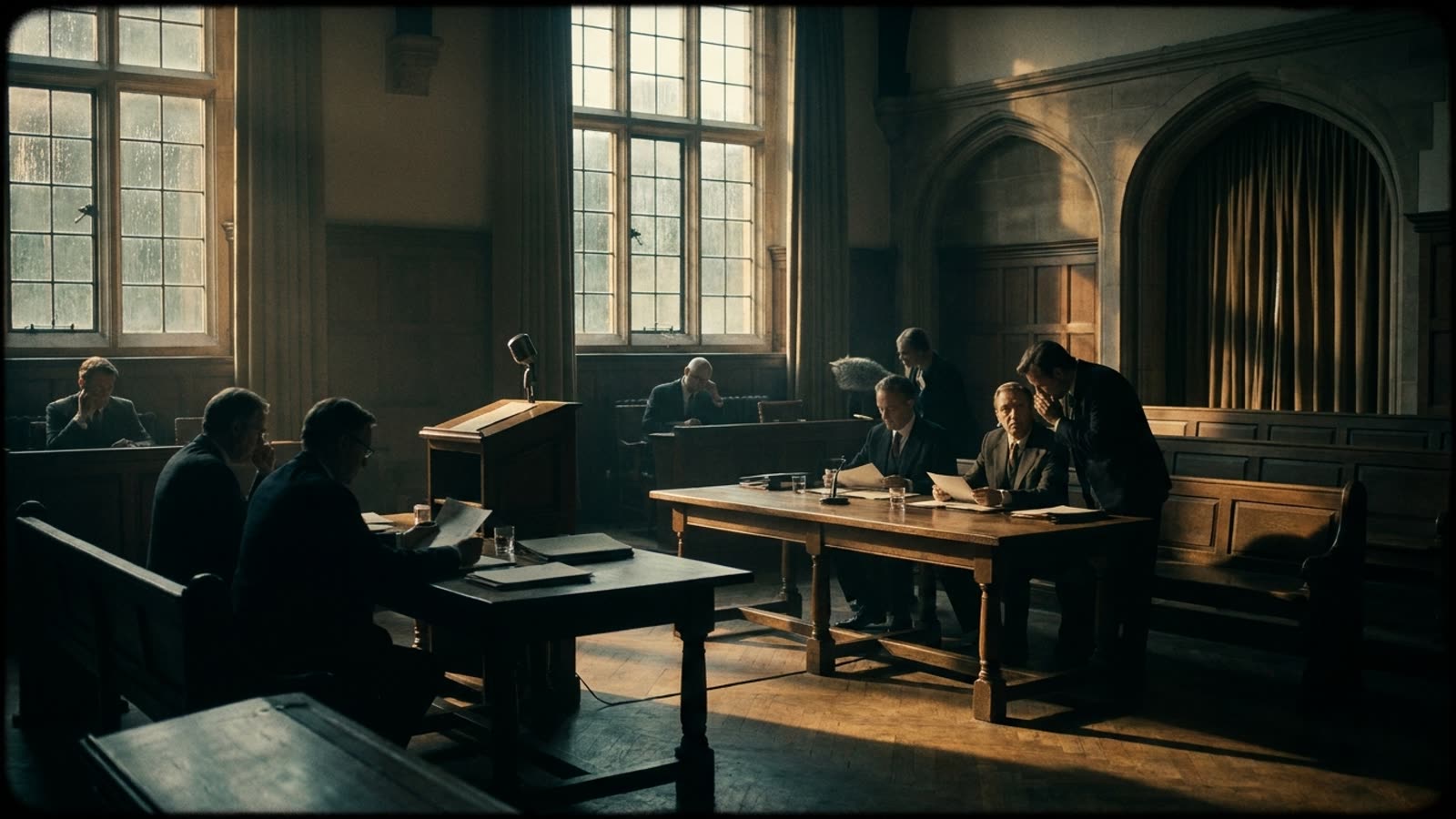
In most democracies, opposition parties simply oppose. In Westminster systems, they govern from the shadows — maintaining a full parallel cabinet structure complete with shadow ministers for every portfolio, from defense to agriculture. This peculiar institution, born from British parliamentary tradition and now spread across Commonwealth nations, represents one of democracy's most sophisticated mechanisms for ensuring continuity and accountability.
The architecture of opposition
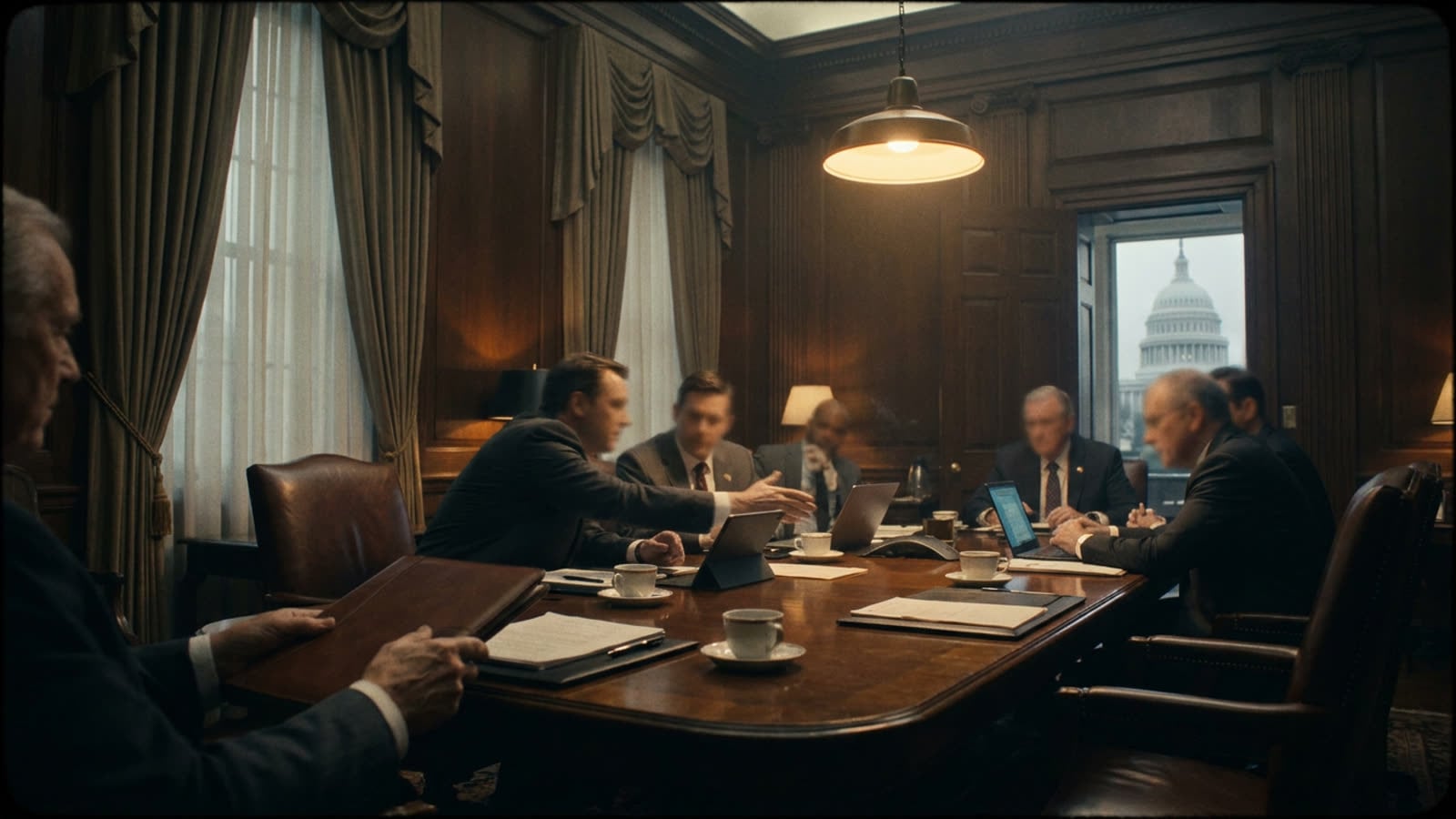
The shadow cabinet emerged organically in 19th-century Britain as the official opposition began mirroring the government's structure. Today, it functions as a complete alternative government, with shadow ministers scrutinizing their counterparts' every decision and developing detailed policy alternatives. In the UK House of Commons, the shadow chancellor sits directly across from the actual chancellor, separated by the width of two swords — a physical reminder that political combat has evolved from violence to verbal sparring.
This institutionalized opposition serves multiple purposes. Shadow ministers become subject-matter experts in their portfolios, often spending years preparing for roles they may never fill. They maintain relationships with civil servants, industry stakeholders, and international counterparts. When governments change, as happened in Britain in 1997 when Tony Blair's Labour swept to power after 18 years in opposition, the new ministers arrive pre-briefed and battle-tested.
Power through powerlessness
The shadow cabinet's influence extends far beyond preparation for potential power. By maintaining a credible alternative government, the opposition can shape policy even while out of office. Shadow ministers command media attention, forcing governments to defend their decisions against specific, informed criticism rather than general opposition rhetoric. During major crises, shadow cabinets can offer bipartisan cover for difficult decisions — or withdraw it to devastating effect.
In Australia, Canada, and New Zealand, shadow cabinets have evolved their own variations. Australia's system grants shadow ministers special parliamentary privileges and staff resources. Canada's opposition critics (their term for shadow ministers) receive additional funding for research. Some newer democracies have attempted to import the model with mixed results — it requires a political culture that values loyal opposition over revolutionary resistance.
Our take
The shadow cabinet system transforms political opposition from mere criticism into constructive governance-in-waiting. While it can institutionalize adversarial politics, it also ensures that democracies always have a trained, prepared alternative leadership ready to step in. In an era of democratic backsliding globally, the Westminster tradition of organizing the losers of elections into a coherent counter-government looks less like quaint British ceremony and more like democratic genius. The system's great insight is that opposition parties need structure and purpose beyond simply saying no — they need to show how they would say yes.