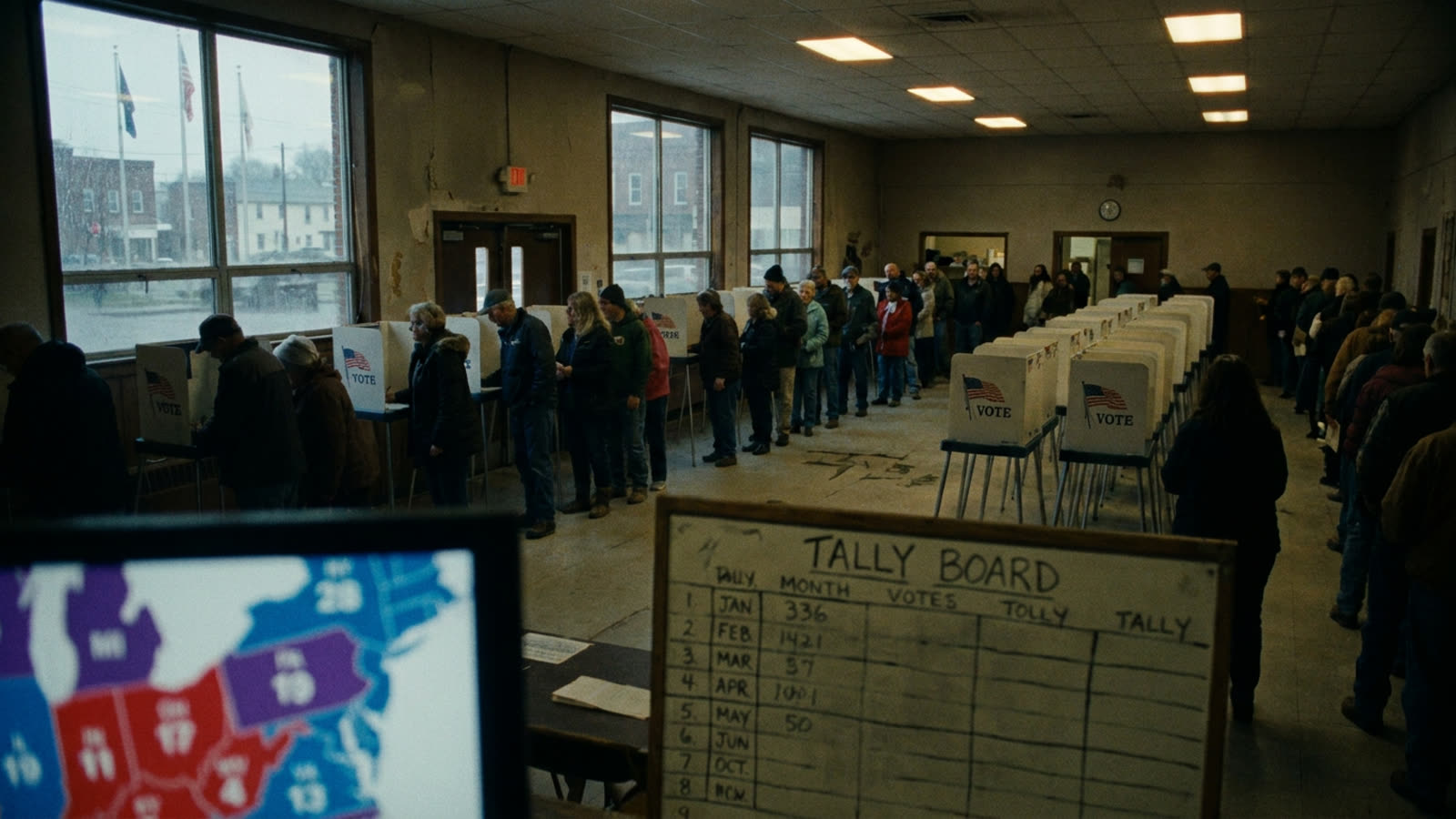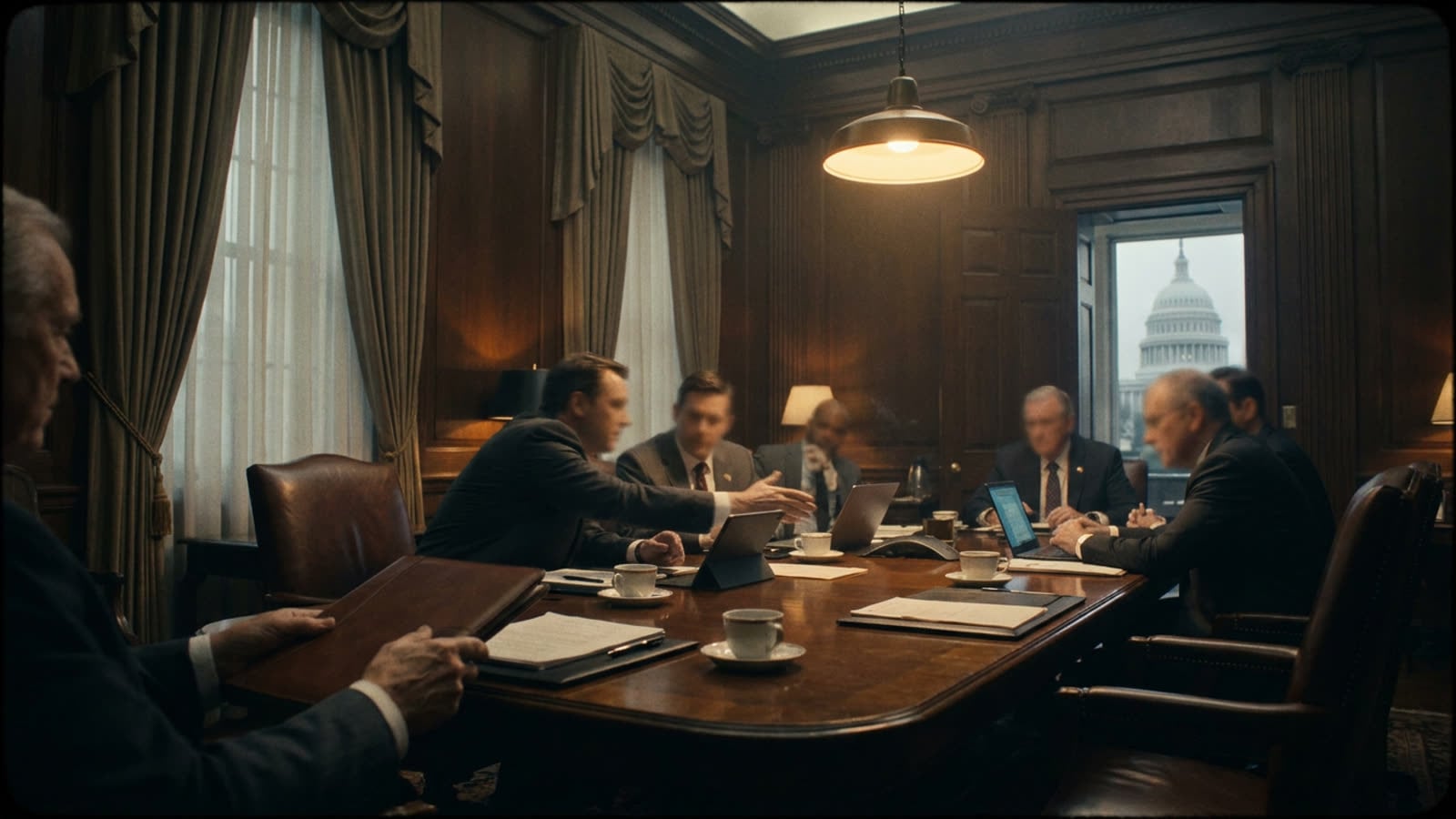
Every four years, Americans watch their political parties stage elaborate primary contests, complete with debates, town halls, and millions of votes cast. The democratic machinery appears to hum along, processing the will of the people into nominee selections. But peer behind this civic pageantry and you'll find something more ancient at work: the careful orchestration of elite consensus that predetermines most outcomes before the first ballot is cast.
The invisible primary that matters most
Long before Iowa caucus-goers brave winter nights, the real selection process unfolds in private. Major donors hold discreet gatherings in Manhattan penthouses and Silicon Valley estates, feeling out which candidates can raise the requisite billions. Party elders—former presidents, congressional leaders, key governors—engage in elaborate diplomatic dances, signaling preferences through carefully worded statements and strategic photo opportunities.
This shadow contest operates by unwritten rules. Potential candidates make pilgrimages to party grandees, testing their viability. Those who receive encouragement begin hiring staff and booking travel to early states. Those who don't get the nod find their donor calls unreturned and their nascent campaigns mysteriously lacking oxygen. The process is simultaneously ruthless and subtle, crushing ambitions through a thousand small discouragements rather than direct confrontation.
When the machine breaks down
Occasionally, this careful choreography fails. An insurgent candidate breaks through, powered by genuine grassroots energy or exceptional circumstances. These moments reveal both the power and limits of party control. The establishment can make running extremely difficult—denying debate access, coordinating endorsements, flooding the zone with negative coverage. But they cannot simply decree outcomes, especially when their preferred options fail to connect with actual voters.
These disruptions often trigger rapid realignments. Party elites scramble to either co-opt the insurgent or rally behind an emergency alternative. The machinery of control becomes visible precisely when it malfunctions, exposing the usually hidden networks of influence and coordination. Sometimes the insurgent wins anyway, forcing an uncomfortable accommodation. Sometimes the establishment prevails, but at the cost of enthusiasm and legitimacy.
Our take
The tension between democratic ideals and elite management isn't a bug in the American system—it's a feature dating back to the Founding Fathers' own skepticism about pure democracy. Modern parties have simply updated the mechanisms, replacing convention floor dealing with donor summits and social media manipulation. Whether this represents wisdom or corruption depends largely on whether you're inside the room where it happens. What's certain is that voters who believe primaries represent unmediated democratic choice are missing most of the real action, which concluded before their ballots were printed.