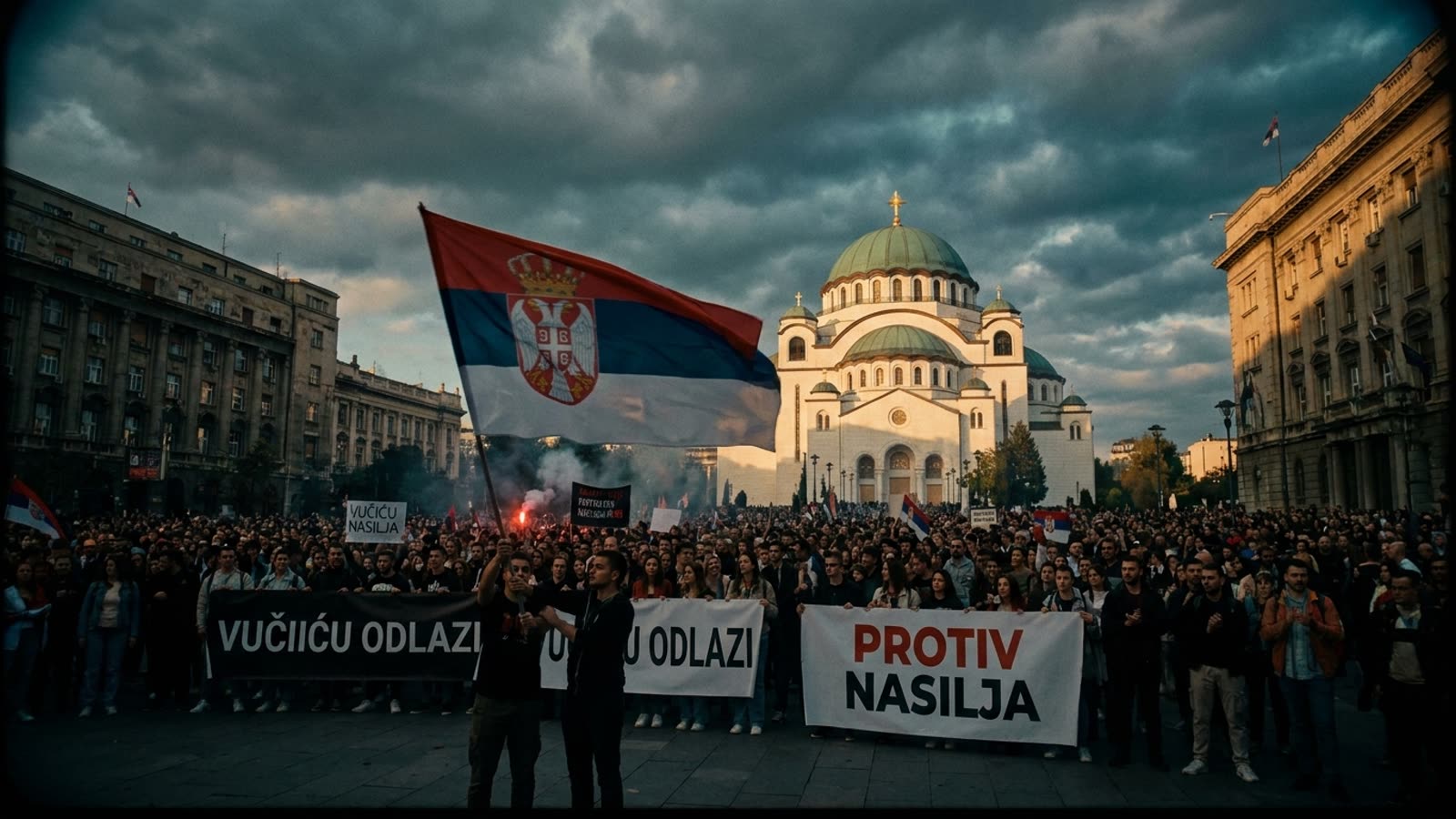
The peculiar thing about Aleksandar Vučić's Serbia is how stable it has looked from the outside while rotting from within. For twelve years, the former information minister under Slobodan Milošević has maintained a grip on power that Brussels found distasteful but tolerable, that Washington occasionally scolded but never seriously challenged, and that Moscow appreciated as a hedge against complete Western encirclement of the Balkans. Now a generation of university students—many of whom were children when Vučić first became prime minister in 2014—are poised to accomplish what the European Parliament's stern resolutions and opposition boycotts could not: make him genuinely vulnerable at the ballot box.
Sunday's snap elections arrive after two years of sustained street protests that began with a tragedy. In November 2024, the roof of a newly renovated railway station in Novi Sad collapsed, killing fifteen people. The station had been a showcase project, its reconstruction funded by a Chinese loan and completed with the usual fanfare of ribbon-cutting ceremonies. When it killed commuters instead of impressing them, students began asking uncomfortable questions about contracts, inspections, and the web of patronage that connects Vučić's Serbian Progressive Party to construction firms and state enterprises.
From grief to political threat
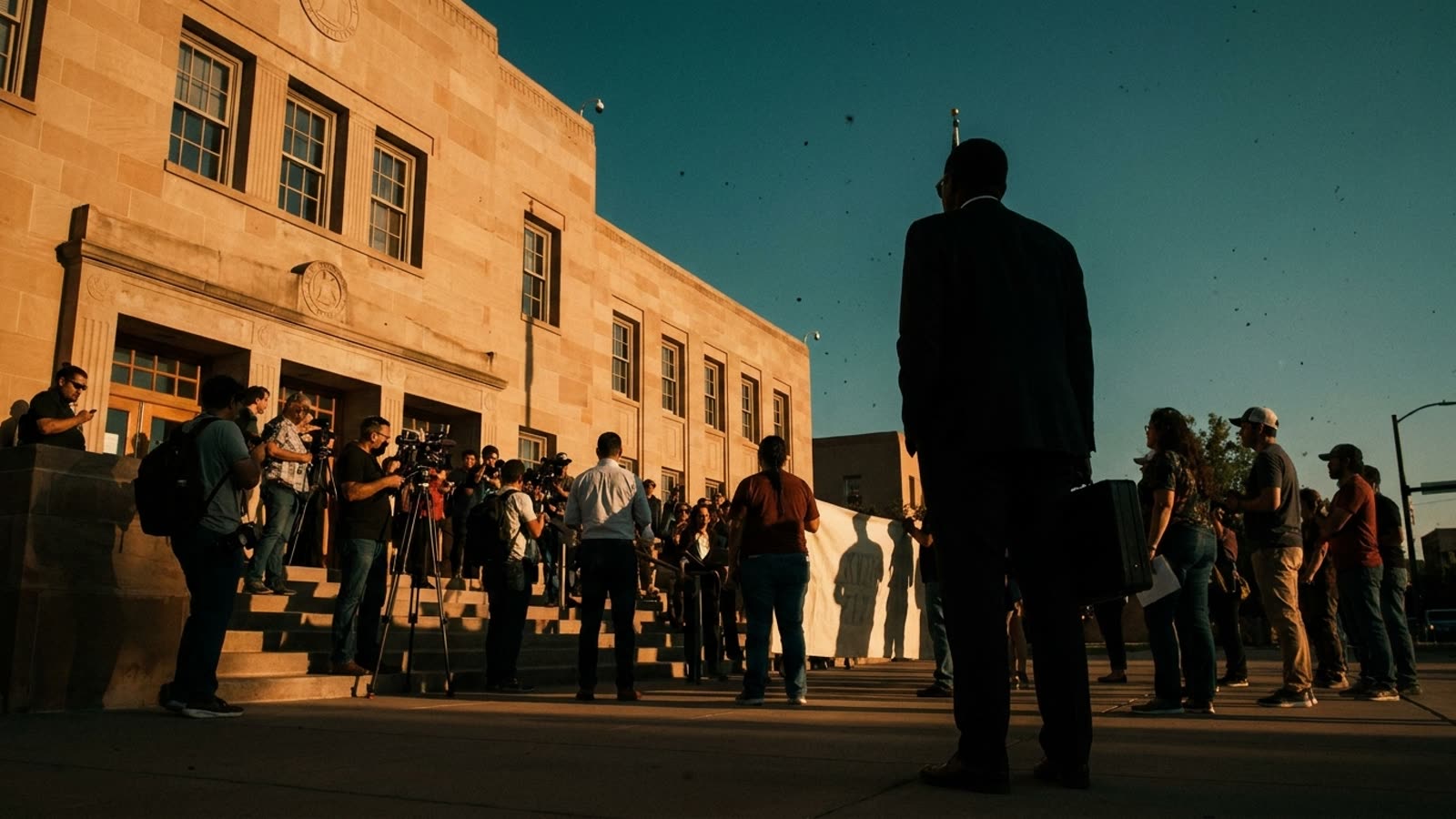
What distinguishes this movement from previous Serbian protests is its staying power and its deliberate refusal to be co-opted by existing opposition parties. The students have maintained organizational discipline, rotating leadership to prevent the emergence of figures who could be bought off or discredited, and focusing relentlessly on corruption rather than the geopolitical questions—NATO membership, Kosovo recognition, Russia relations—that have historically divided Serbian society and allowed Vučić to present himself as the only adult in the room.
The strategy has worked. Polling suggests the Progressive Party will lose its parliamentary majority for the first time since 2012, though Vučić himself is not on the ballot and the presidency remains his until 2027. The question is whether a fractured opposition can form a government, and whether Vučić will permit a transition he cannot control.
The autocrat's playbook, tested
Vučić has responded with the toolkit familiar from Hungary, Turkey, and Poland: state media saturation, accusations that protesters are foreign agents, and strategic concessions designed to divide the movement. He has shuffled ministers, promised investigations, and even shed tears on television over the Novi Sad victims. None of it has worked. The students kept marching.
The regime's problem is structural. Serbia's economy depends heavily on foreign investment and EU accession talks that have stalled but not collapsed. Unlike Orbán, Vučić cannot fully pivot to an anti-Brussels posture without jeopardizing the remittances and export markets that keep unemployment manageable. Unlike Erdoğan, he lacks the religious-nationalist base that can be mobilized against secular urbanites. He has built a system optimized for apathy, not resistance.
Our take
The Serbian students have rediscovered something that protest movements from Hong Kong to Belarus learned the hard way: autocrats are most vulnerable when challenged on competence rather than ideology. A collapsed roof is harder to spin than a geopolitical abstraction. Whether Sunday delivers a genuine transfer of power or merely a weakened Vučić preparing his next maneuver, the twelve-year assumption that Serbia's trajectory was fixed has been shattered. The rest of Europe's soft authoritarians should be paying attention.