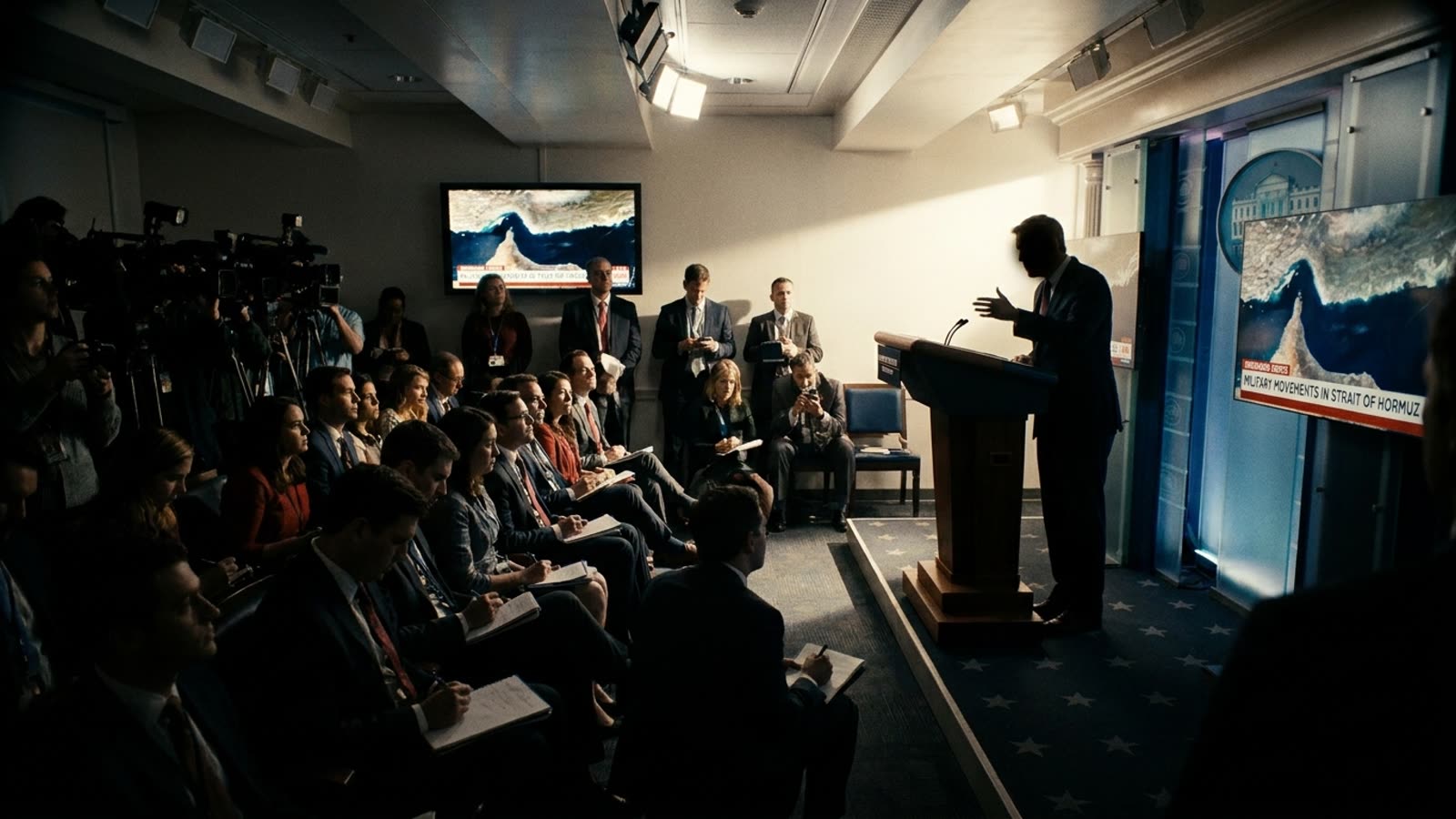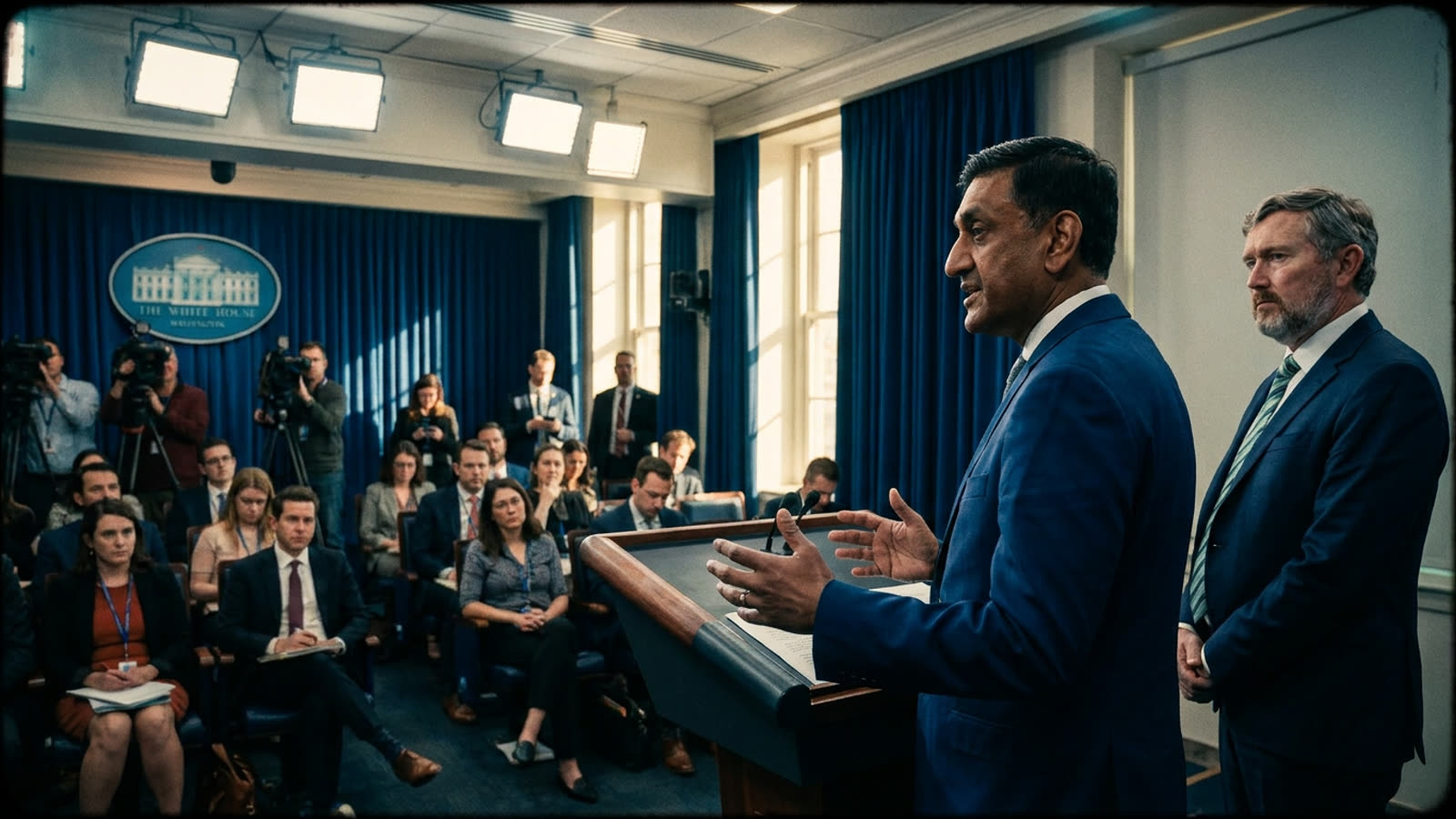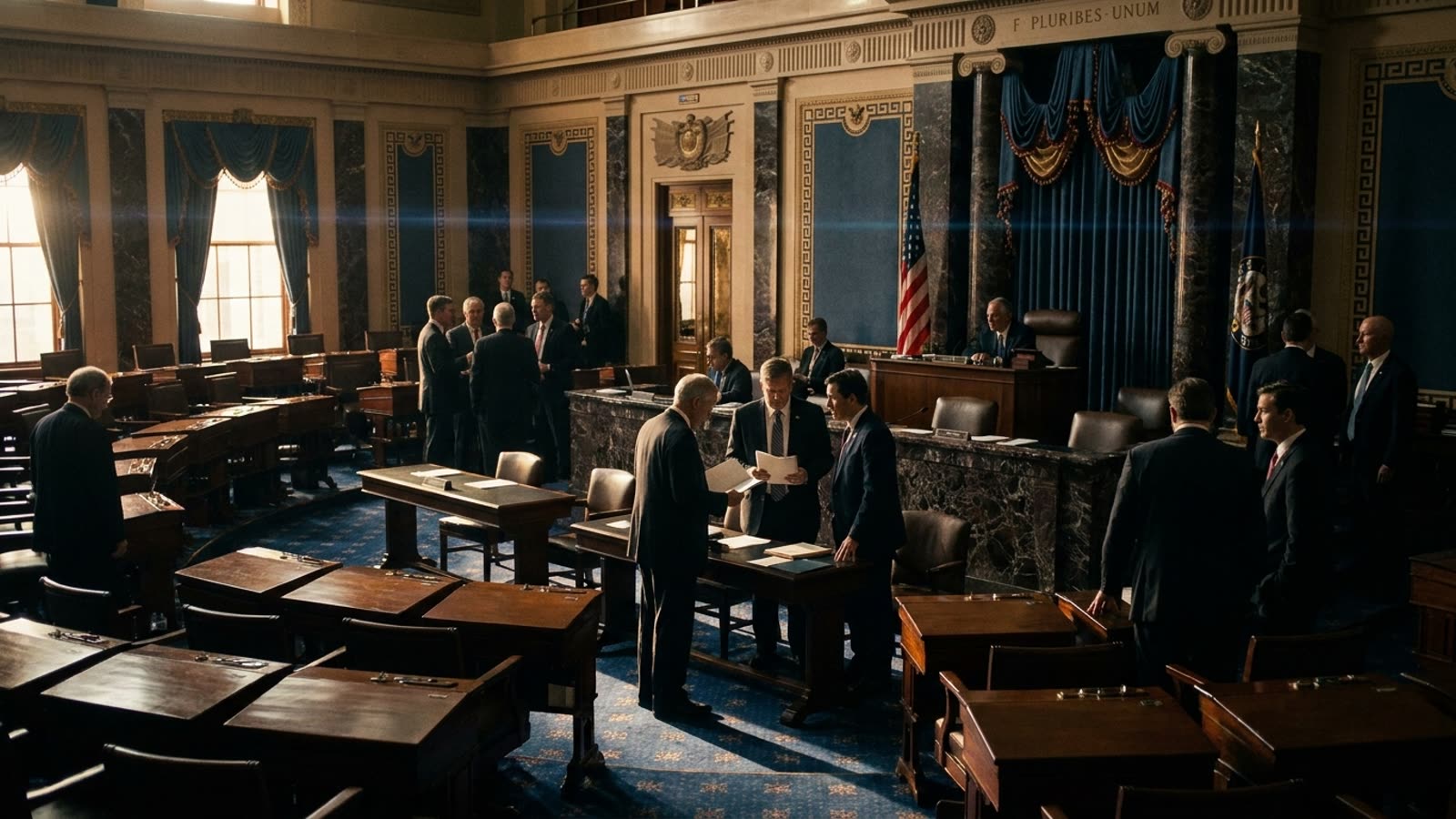
For a president who has spent his political career treating congressional Republicans as staff rather than co-equal legislators, the quiet death of a vanity earmark marks something new: a caucus willing to say no.
Senate Republicans have stripped funding for a proposed White House ballroom from the immigration bill currently moving through Congress, a project Trump had personally championed and expected his party to deliver. The excision happened without fanfare, without a floor fight, without the president's apparent consent—and that procedural silence speaks louder than any press conference could.
The ballroom that wasn't
The earmark, reportedly valued in the tens of millions, would have funded construction of an event space on White House grounds, a project Trump has discussed since his first term as a way to reduce reliance on external venues for state dinners and diplomatic functions. Critics called it a monument to ego; supporters framed it as infrastructure. Neither argument ultimately mattered. Senate leadership determined the provision was politically untenable in a bill ostensibly about border security and visa reform, and removed it during markup.
The decision reflects a calculation that swing-state senators facing 2028 primaries cannot afford to defend luxury construction spending while campaigning on fiscal restraint. It also reflects something simpler: the recognition that Trump, consumed by the Iran conflict and tariff battles, lacks the bandwidth to punish defectors on secondary priorities.
What leverage looks like now
Trump's second-term political capital has been spent unevenly. The 59-country tariff announcement commanded global attention. The Iran engagement dominates cable news. But domestic legislative priorities have drifted, and congressional Republicans have noticed the vacuum. The ballroom earmark was a test case—low stakes, high symbolism—and the president lost.
This does not mean open rebellion. Senate Republicans remain aligned with Trump on immigration enforcement, judicial appointments, and the broad strokes of foreign policy. But alignment is not subservience, and the willingness to strip a presidential pet project suggests the caucus is recalibrating its relationship with the White House. Senators who once feared primary challenges from Trump-backed opponents now see a president whose attention is elsewhere and whose approval ratings, while stable, no longer inspire terror.
The bill's path forward
The immigration legislation itself remains on track, with provisions tightening asylum standards, increasing border personnel funding, and restructuring visa allocation. These elements enjoy broad Republican support and enough Democratic acquiescence to clear procedural hurdles. The ballroom's removal actually improves the bill's prospects by eliminating an easy attack line.
For Trump, the practical impact is negligible—the White House will continue hosting events in existing spaces, as it has for two centuries. The symbolic impact is harder to dismiss. A president who once commanded absolute fealty from his party now commands something more conditional: support where convenient, resistance where costless.
Our take
The ballroom was never going to be built, and everyone involved likely knew it. What matters is that Senate Republicans felt comfortable calling the bluff. Trump remains the dominant figure in his party, but dominance is not omnipotence, and the Iran war has revealed the limits of presidential attention. Congressional Republicans are learning they can disagree on the margins without facing annihilation. That education will shape every legislative negotiation for the next two and a half years.