The most predictable crisis in American foreign policy arrived on schedule, and the people paid to predict it are now watching from the sidelines.
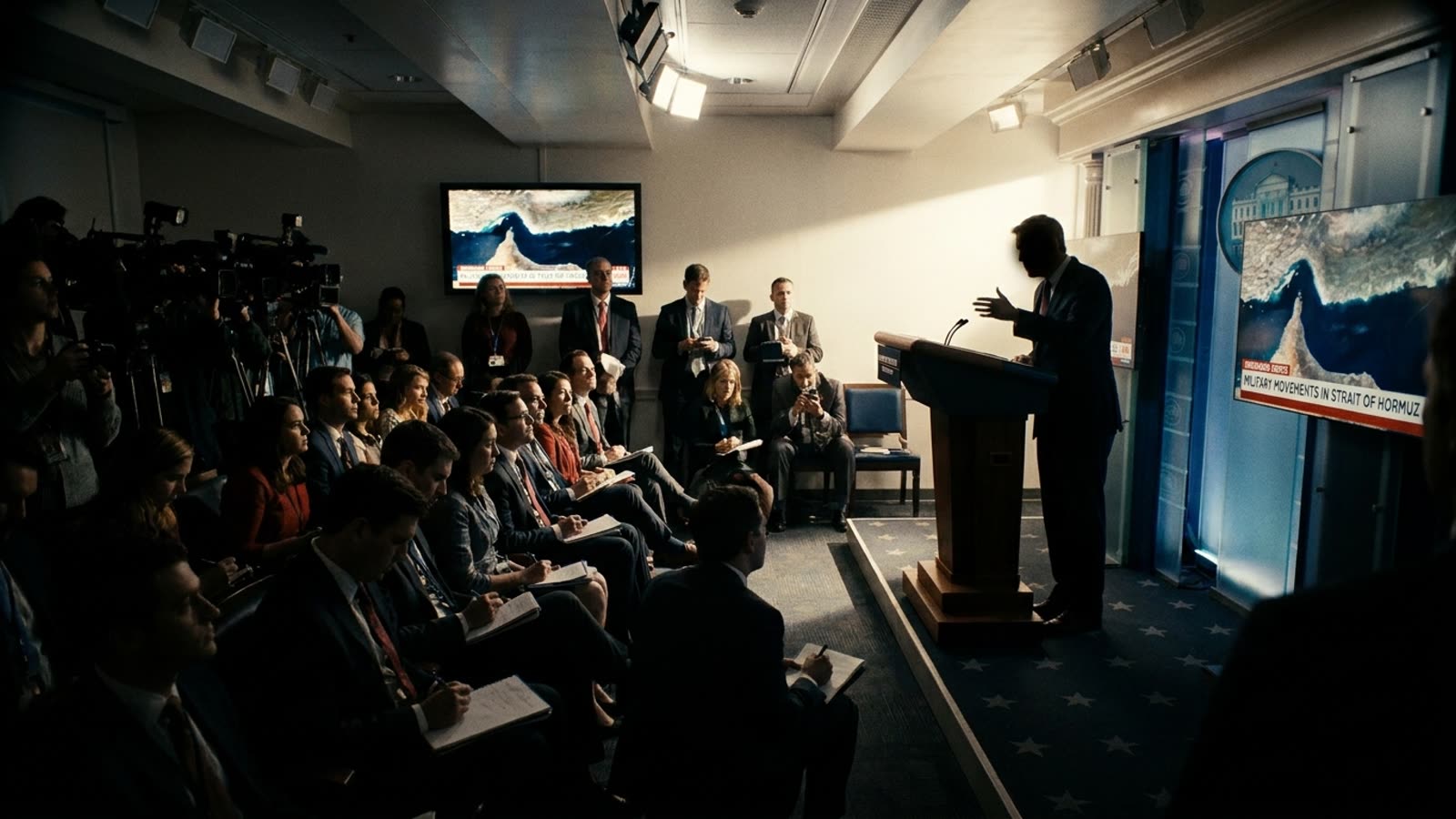
Reporting from multiple outlets this week has illuminated what defense officials have long known but rarely said publicly: the Pentagon conducted extensive war games simulating Iranian responses to a U.S. strike, and nearly every scenario ended with significant disruption to the Strait of Hormuz. The exercises, conducted over multiple administrations, consistently showed that Iran's asymmetric capabilities—fast boats, anti-ship missiles, mines—could choke the waterway through which roughly one-fifth of the world's oil passes daily. The Trump administration received these assessments. It proceeded anyway.
The intelligence gap that wasn't
This was not a failure of imagination. Defense planners had gamed out Iranian mine-laying operations, swarm attacks on commercial tankers, and strikes on Gulf state infrastructure. They had modeled the economic fallout, the insurance market panic, the cascade effects on global shipping. What they could not model was a president who viewed the warnings as bureaucratic obstruction rather than strategic counsel.
The decision to strike Iranian nuclear facilities in April reportedly bypassed the interagency process that would normally stress-test such operations. National Security Council veterans describe a truncated review that prioritized speed over deliberation. The result is a conflict that has unfolded almost exactly as the war games predicted, down to the attacks on regional allies and the near-closure of the strait.
The cost of being right
For career military and intelligence officials, there is no satisfaction in vindication. Several have told reporters they feel professionally compromised—their expertise solicited, documented, and then ignored. The Pentagon's institutional knowledge, built over decades of regional engagement, proved insufficient against a commander-in-chief who had already decided on confrontation.
The broader question is whether this represents a structural failure or a personnel one. War games are only useful if leadership treats them as more than theater. The Trump administration's approach to Iran suggests that expertise has become subordinate to instinct, that the machinery of strategic planning now exists primarily to provide post-hoc justification for decisions already made.
Our take
Governments maintain expensive intelligence and planning apparatuses precisely for moments like this. When those systems are bypassed, the architecture of national security becomes decorative. The Hormuz crisis is not a failure of prediction—it is a failure of listening. The people who knew what would happen told the people who could have stopped it. They were thanked for their service and shown the door.