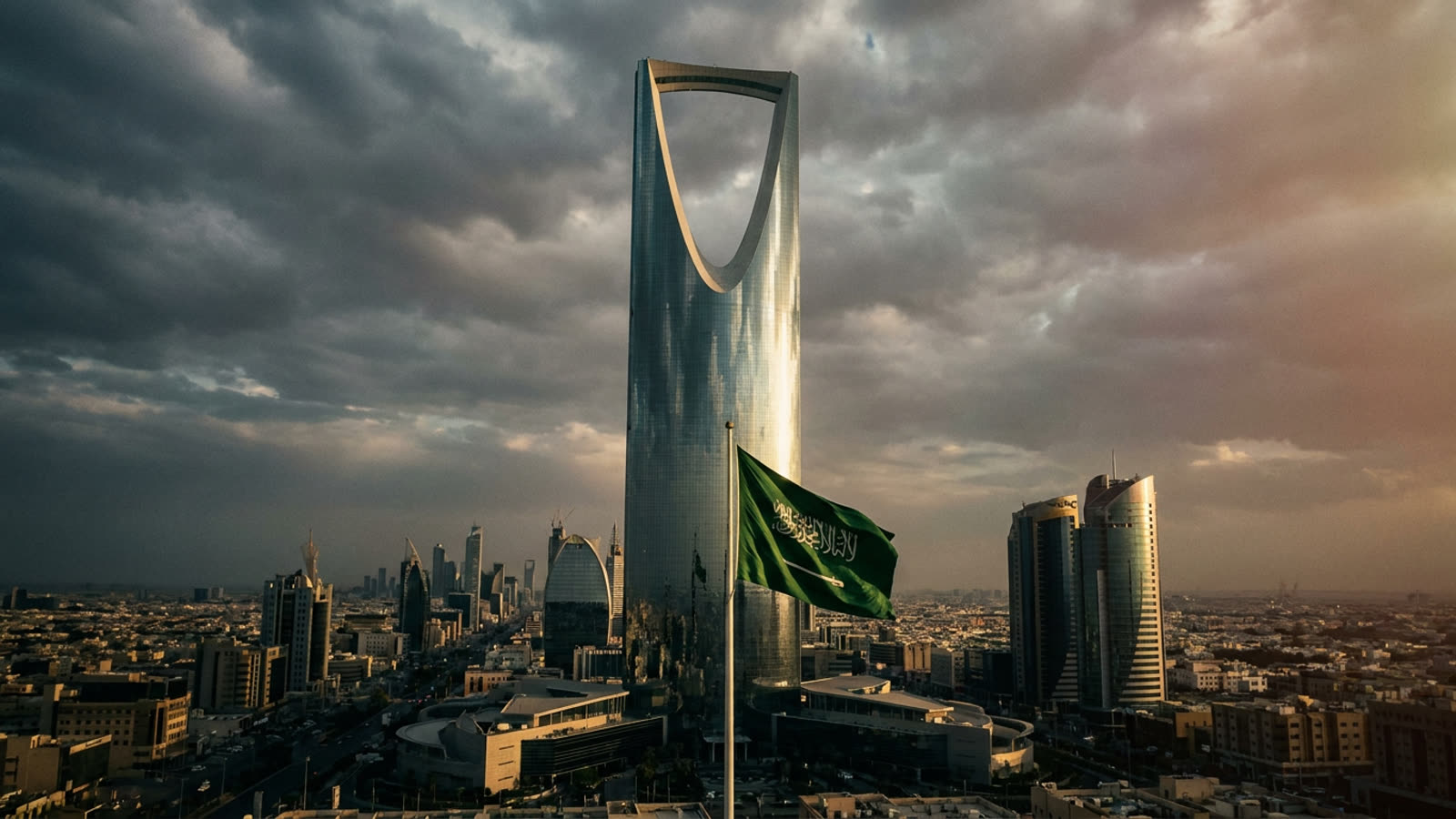
The Kingdom of Saudi Arabia has announced what may be the most aggressive film production incentive in the world: a 60 percent rebate on qualifying spend, effectively doubling its previous offer and leapfrogging every major production hub from Georgia to the UK.
The timing is not coincidental. The ongoing conflict in Iran has throttled the Gulf's carefully cultivated image as a stable corridor for luxury tourism and international business. Dubai's hotel occupancy has cratered. Doha's event calendar has thinned. And Riyadh, which spent the better part of a decade positioning itself as the region's emergent cultural capital, now finds its Vision 2030 entertainment ambitions colliding with geopolitical reality.
The math of desperation
A 60 percent rebate is extraordinary by any standard. The UK's high-end visual effects incentive tops out at 39 percent. Hungary, long a favorite of cost-conscious studios, offers 30 percent. Even generous US state programs rarely exceed 40 percent, and those come with spending caps and sunset clauses.
Saudi Arabia's new ceiling suggests a government willing to pay a premium not just for production activity, but for the optics of normalcy. Every international crew that lands in Riyadh is a data point against the narrative that the Gulf has become a no-go zone. Every Hollywood star photographed at a Saudi premiere is soft-power arbitrage.
What productions actually want
Money talks, but logistics whisper. The Kingdom has spent heavily on studio infrastructure, including the sprawling facilities at AlUla and the Red Sea coast. Yet international productions have historically been wary of Saudi Arabia's permitting opacity, content restrictions, and the practical challenges of operating in a country where alcohol is banned and gender-mixing rules can complicate crew housing.
The new incentive addresses none of these structural frictions. It simply makes tolerating them more lucrative. For mid-budget productions squeezed by streaming economics, that calculus may now pencil out. For prestige projects with stars who have opinions about human rights, the reputational math remains unchanged.
The regional ripple
Neighboring production hubs are watching nervously. The UAE, Jordan, and Morocco have all built meaningful film economies on the promise of competitive incentives, experienced crews, and relative creative freedom. Saudi Arabia's move threatens to siphon projects through sheer financial force, particularly in the genre and blockbuster space where location authenticity matters less than desert backdrops and tax efficiency.
Expect counter-offers. Abu Dhabi's twofour54 and Jordan's Royal Film Commission have both signaled willingness to revisit their incentive structures. A subsidy arms race benefits productions in the short term, but it raises uncomfortable questions about whether any of these programs are building sustainable creative industries or simply buying temporary relevance.
Our take
Saudi Arabia is doing what petrostates do when their primary narrative falters: throw money at a secondary one. The 60 percent rebate is less a film policy than a crisis-communications budget line, dressed up in the language of cultural investment. It will attract productions. It will generate photo opportunities. Whether it builds anything lasting depends on factors Riyadh cannot purchase at any price—creative freedom, institutional trust, and a region at peace.