The murder of a cartoonist in a European capital should be front-page news everywhere, and for a few hours it will be. Then the G7 communiqué and the Iran ceasefire will crowd it out. That is precisely what Moscow is counting on.
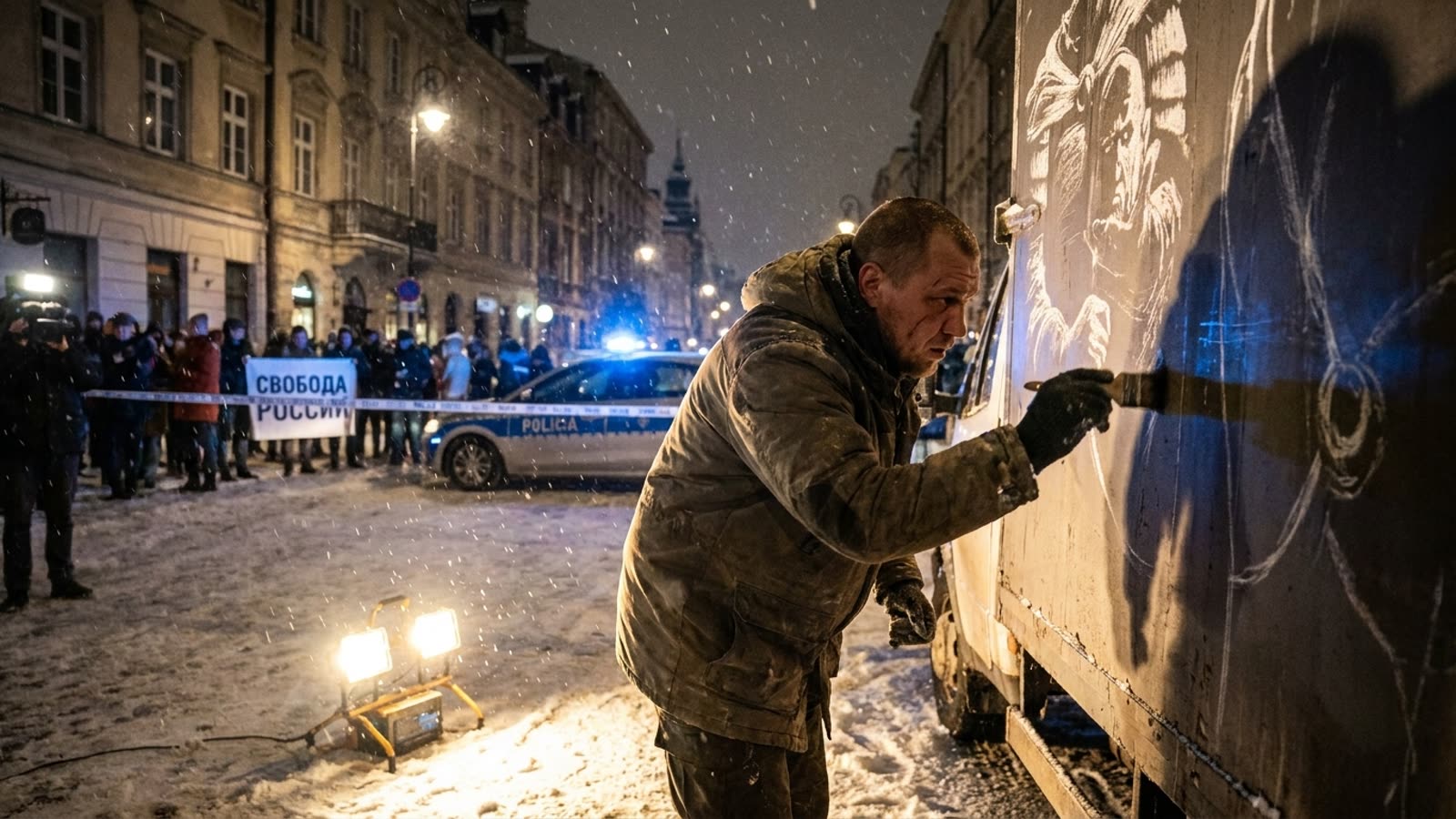
Nikita Golubev, the exiled Russian artist whose biting caricatures of Vladimir Putin circulated on Telegram channels with millions of followers, was shot dead in Warsaw on Sunday. Polish police have detained a suspect but released few details; the interior ministry confirmed it is treating the case as a targeted assassination. Golubev had been living under police protection since fleeing Russia in 2022, yet the protection evidently failed.
The pattern is unmistakable
Golubev joins a grim roster: Alexander Litvinenko (polonium, London, 2006), Boris Nemtsov (shot, Moscow, 2015), Sergei Skripal (nerve agent, Salisbury, 2018), and a string of lesser-known journalists and activists who met violent ends in Turkey, Germany, and France. Each killing followed the same script—deniability, silence, then a shrug from the Kremlin. What distinguishes Golubev's case is the target's profile: he was not a spy or a politician but a satirist, proof that ridicule now ranks alongside espionage on Moscow's threat matrix.
Poland, a NATO member hosting tens of thousands of Ukrainian refugees and serving as the main logistics corridor for Western arms, has become a frontline state in more than the military sense. Its intelligence services have warned for months that Russian operatives are probing exile communities. The Warsaw killing suggests those warnings were prescient but insufficient.
Europe's response will be telling
The European Union has imposed sanctions on Russian intelligence officers before, but enforcement is patchy and extradition requests rarely succeed. Poland's government, already the most hawkish in the bloc on Russia, will likely push for a coordinated expulsion of suspected GRU and FSB personnel from EU capitals. Whether France and Germany, eager to preserve back-channels, will comply is another matter.
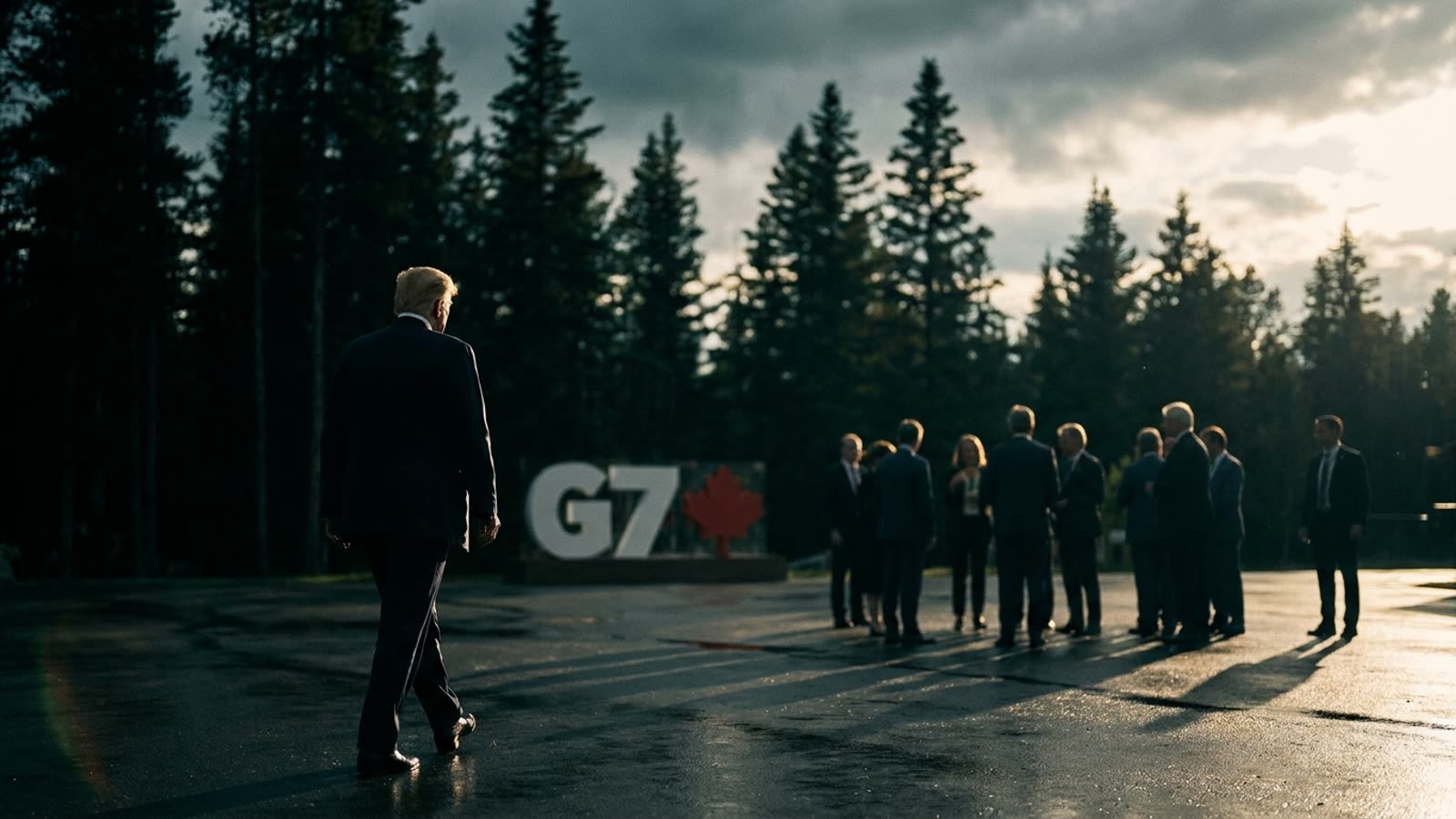
The timing is awkward. With Washington and Tehran announcing a ceasefire and the G7 consumed by Middle East diplomacy, European leaders have little bandwidth for a new confrontation with Moscow. That calculus is itself a gift to the Kremlin: strike when the West is distracted, and the outrage dissipates before it can harden into policy.
Our take
Golubev's cartoons were funny, cruel, and effective—three qualities autocrats cannot abide. His death is a reminder that the Putin regime views satire as an existential threat and will pursue its enemies across any border. If Europe cannot protect a cartoonist in its own capital, its promises to defend Ukraine ring hollow. Warsaw deserves more than condolences; it deserves a continent willing to treat Russian assassinations as acts of war, not diplomatic inconveniences.