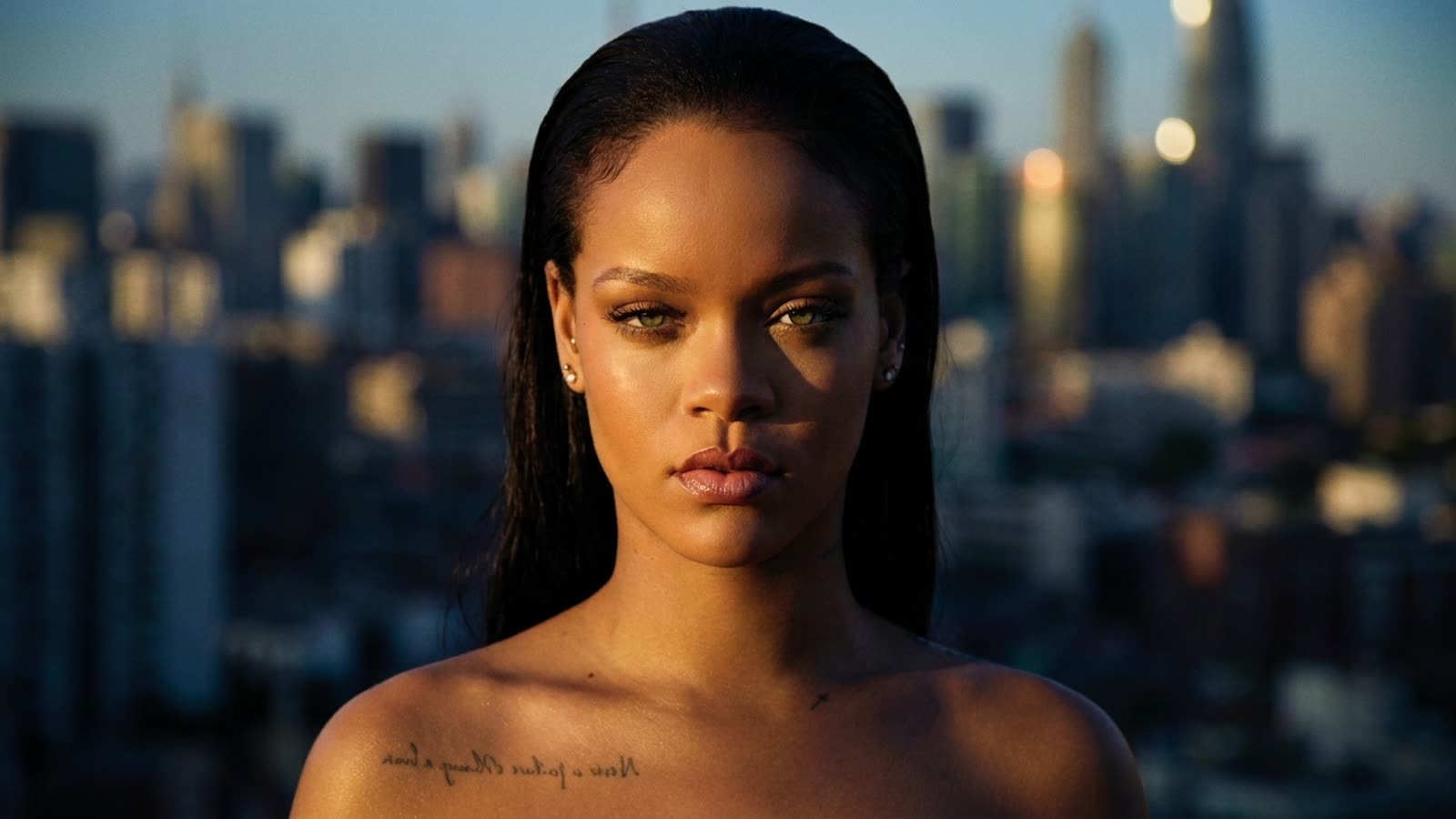
Rihanna walked into Fenty Beauty's headquarters in Los Angeles this week carrying something most founders never see: a financial report confirming her brand had quietly passed $3 billion in lifetime retail sales. She reportedly greeted the room with a shrug and the words, "Okay, so what's next?"
What's next, according to three executives briefed on the plan, is Asia. Fenty Beauty will open its first permanent flagship in Tokyo's Ginza district in September, followed by Seoul's Gangnam neighborhood in November and Shanghai's Nanjing West Road before Lunar New Year. The rollout marks the single largest geographic expansion in the brand's eight-year history and a direct challenge to the Asia-Pacific stronghold long held by Estée Lauder, Shiseido, and L'Oréal's Lancôme.
The 40-shade doctrine goes global
When Fenty launched in 2017 with 40 foundation shades — later expanded to 50 — it rewrote an unspoken industry rule that had quietly excluded deeper skin tones for decades. That same doctrine is now being adapted for Asian markets, where undertones, regional skin variation, and climate-specific formulations have historically been underserved by Western luxury brands. Fenty's Asia-specific launch includes twelve new foundation shades developed with matching labs in Osaka and Seoul, plus a humidity-resistant setting spray designed for Southeast Asian summers.
Why the timing matters
The global prestige beauty market is forecast to grow roughly 6 percent in 2026, but Asia-Pacific is projected to grow closer to 11 percent, driven by a rebound in Chinese discretionary spending and a surging Korean K-beauty export boom that has paradoxically created more shelf space for foreign brands rather than less. South Korean consumers, now the most sophisticated beauty buyers on earth, have signaled hunger for brands with cultural specificity — and Fenty, with its founder-led identity and inclusive casting, reads as credible in a market allergic to corporate polish.
Bernstein analysts raised their Fenty fiscal 2027 revenue forecast to $1.4 billion, up from $1.1 billion, citing the Asia expansion and a new partnership with Japanese retailer Isetan. If those numbers hold, Fenty becomes the fastest-growing beauty brand of the decade.
Our take
Rihanna did not become a billionaire by singing. She became one by refusing to treat beauty as a vanity category and instead treating it as infrastructure. The Asia expansion is not a celebrity vanity play — it's a disciplined bet that inclusive product architecture, originally built for the United States, translates globally when adapted with respect rather than replicated with arrogance. If Fenty lands this, the entire prestige beauty hierarchy gets rewritten within three years.