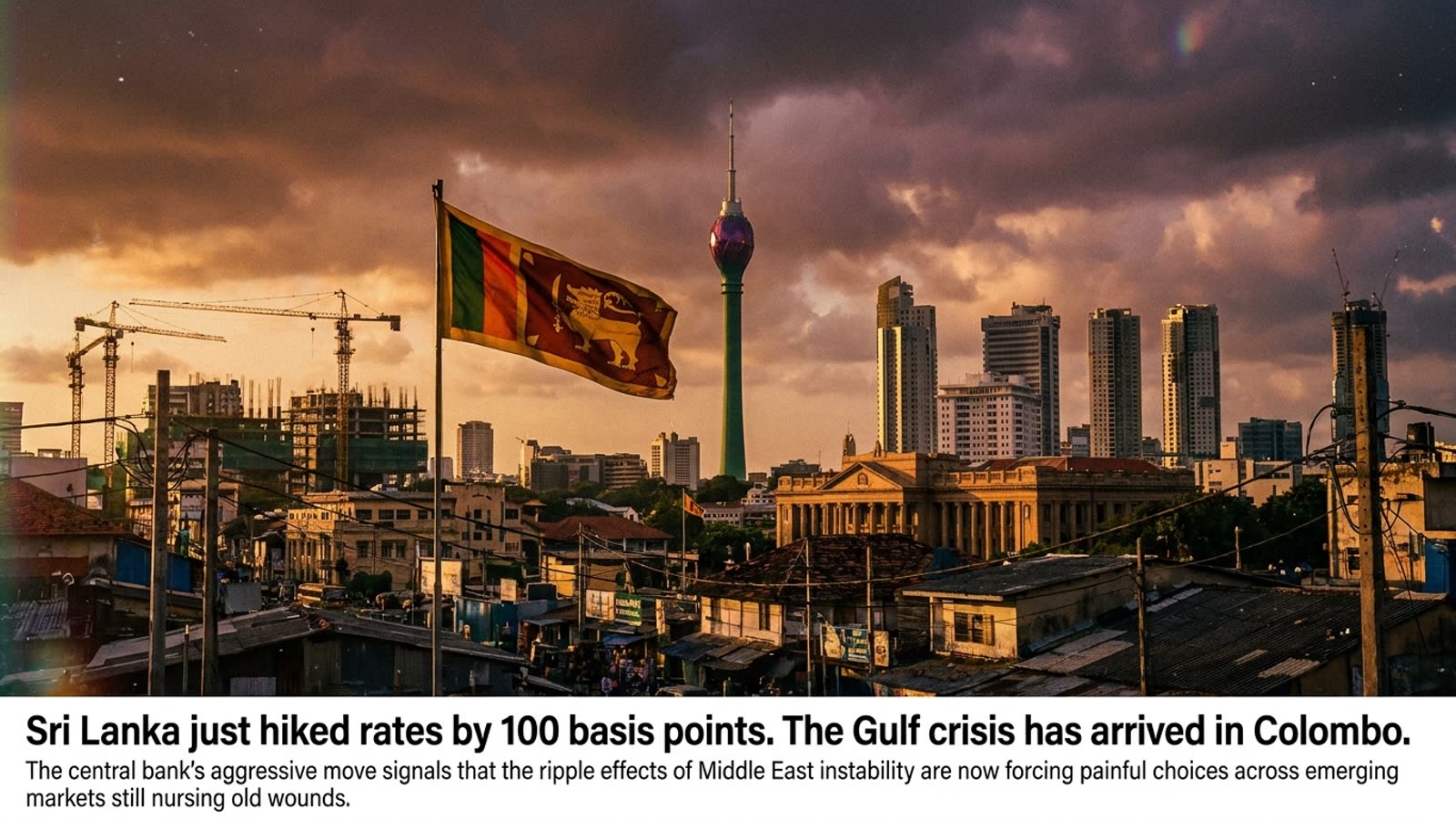
The global economy spent last week cautiously pricing in the possibility of détente between Washington and Tehran. On Monday morning, it began pricing it back out.
Brent crude climbed above $74 per barrel in early Asian trading after the Pentagon confirmed overnight strikes on Iranian missile installations and fast-attack boats in the Persian Gulf—the latest in a series of limited military exchanges that have punctuated months of stop-start nuclear negotiations. Equity futures in New York and London opened flat to slightly lower, caught between the competing impulses of geopolitical risk aversion and stubborn optimism that a deal might still materialize before summer.
The whiplash trade
Investors have grown accustomed to violent swings in energy markets since hostilities escalated earlier this year, but the current pattern is unusually disorienting. Last week's rally in risk assets—fueled by reports of progress on uranium-enrichment caps—evaporated within hours of the strike announcements. The S&P 500 futures, which had gained nearly two percent over the prior five sessions, gave back half of that in pre-market trading. The dollar strengthened modestly against the euro and yen, a classic flight-to-safety move that nonetheless stopped well short of panic.
The problem is not that markets lack information; it is that the information is contradictory. Diplomatic sources continue to insist that technical-level talks in Vienna remain productive, even as both militaries conduct operations that would, in any other context, be described as acts of war. Traders are left to guess which signal matters more.
Energy's outsized role
Oil's sensitivity to the conflict is straightforward: Iran holds roughly four percent of global proved reserves and, when not under sanctions, can export upward of two million barrels per day. Any sustained disruption to Gulf shipping lanes would tighten an already balanced market. But the knock-on effects extend further. European natural-gas prices ticked higher on Monday, and agricultural commodities—already elevated by drought conditions in the American Midwest—face additional pressure from rising fuel costs.
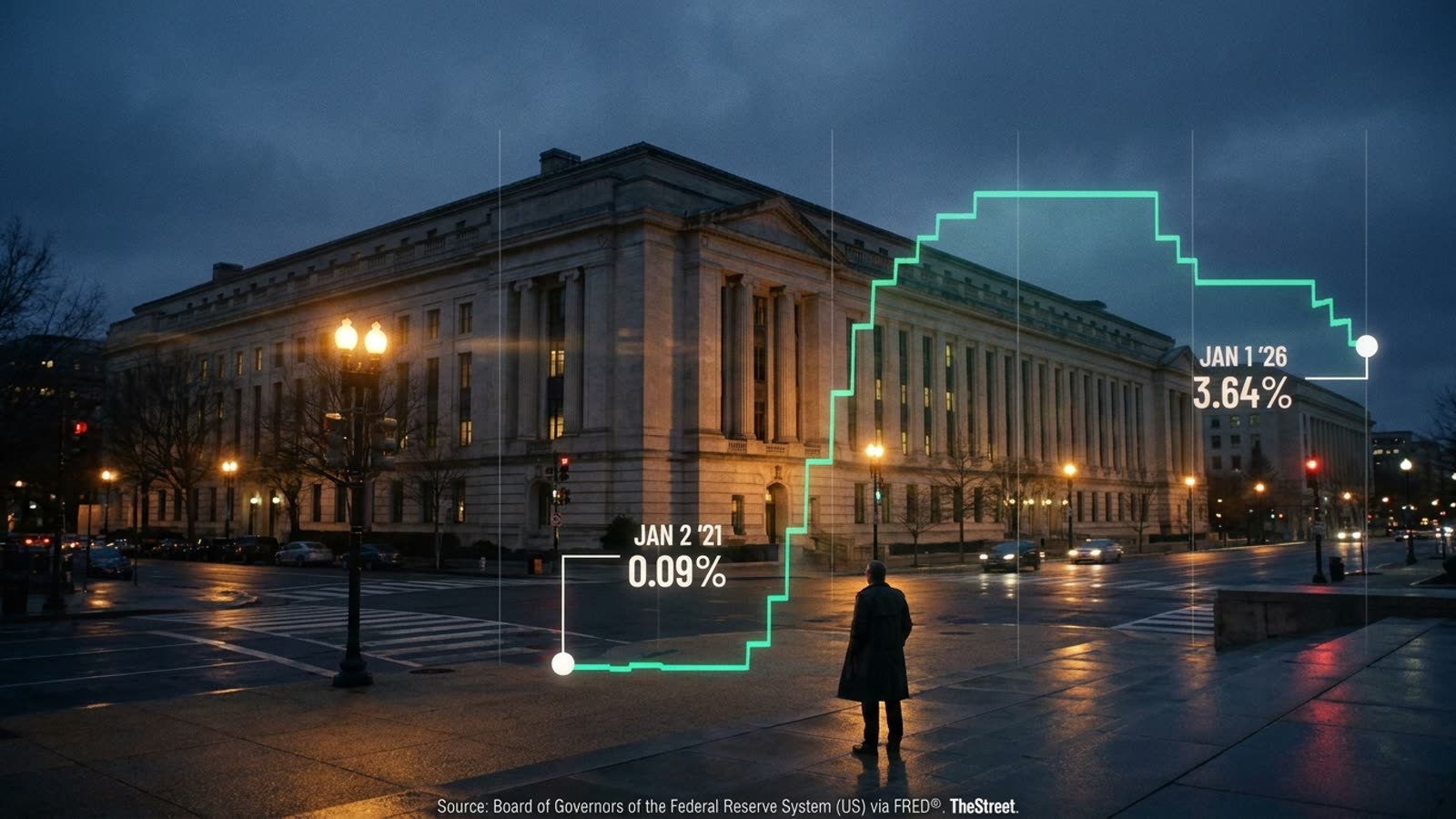
For central bankers, the timing is awkward. The Federal Reserve's preferred inflation gauge, the personal-consumption-expenditures index, is due later this week. A hot print would complicate the case for rate cuts that markets have been anticipating for the second half of the year. Energy volatility only muddies the picture, making it harder to distinguish between transitory supply shocks and durable inflationary pressure.
Our take
The honest answer is that no one—not the Pentagon, not the Quai d'Orsay, not the trading desks at Goldman Sachs—knows whether the current trajectory ends in a signed agreement or a wider conflagration. Markets hate uncertainty, but they hate admitting uncertainty even more. The result is a kind of performative confidence: prices move decisively in one direction, then reverse just as decisively when the next headline lands. Until the underlying question is resolved, expect more of the same.