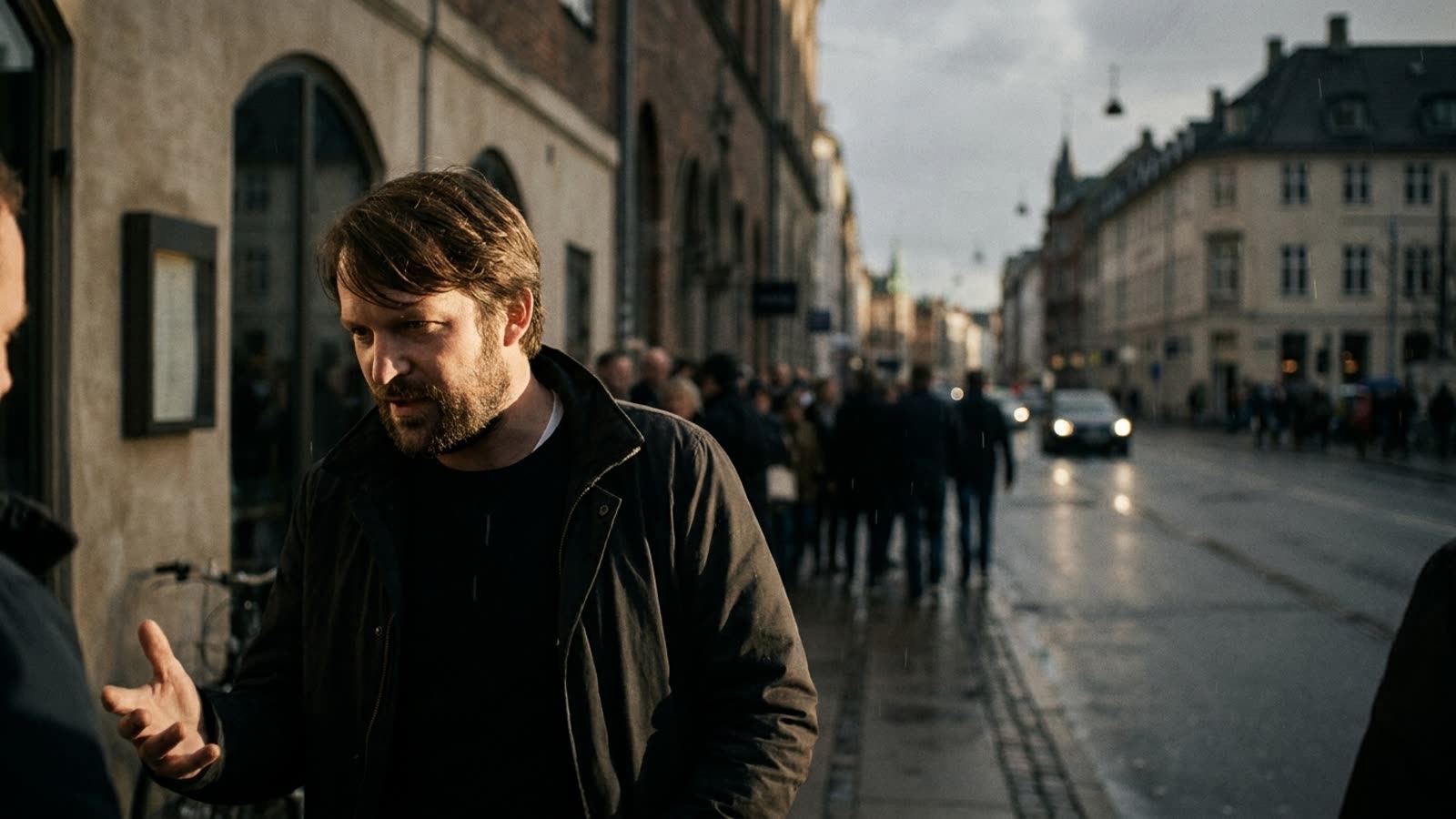
René Redzepi built the most influential restaurant of the twenty-first century, won every award the industry offers, and still couldn't make the numbers work. When he announced Noma would close its traditional service, the chef framed it as creative evolution. The financial reality is simpler: charging hundreds of dollars per guest while employing dozens of highly trained cooks produces margins that would embarrass a bodega.
The Copenhagen restaurant that pioneered foraging, fermentation, and the notion that Nordic cuisine could rival French tradition operated for two decades as a cultural institution subsidized by its own mythology. Redzepi's admission that the model was "unsustainable" should have surprised no one who has examined fine dining's peculiar economics, yet the industry received the news with something approaching shock.
The math that never added up
A tasting menu at the world's elite restaurants typically runs between three hundred and six hundred dollars before wine pairings, service charges, and the inevitable supplements. This sounds extravagant until you consider what it purchases: three to four hours of a guest's time, twenty to thirty distinct preparations, and the labor of a kitchen brigade that often outnumbers the dining room's capacity. The food cost alone—ingredients sourced from specific farms, foraged from particular forests, fermented for precise durations—frequently exceeds forty percent of revenue, double what a profitable restaurant can sustain.
The kitchen labor is where the model truly fractures. Fine dining has historically relied on stages, the French term for unpaid or barely-paid apprentices who work punishing hours for the privilege of proximity to greatness. A restaurant like Noma might have fifty people in the kitchen on any given service, the majority of them working for experience rather than wages. This arrangement persisted for decades because young cooks accepted the trade: poverty now for prestige later, a line on the résumé that opens doors.
That calculus has shifted. Labor laws in Denmark and across Europe have tightened. A generation raised on exposés of kitchen abuse—the screaming, the seventy-hour weeks, the industry's staggering rates of addiction and mental illness—has grown less willing to sacrifice their twenties for a chef's vision.
The real product was never dinner
The restaurants that survive at this level have long understood that the dining room is a loss leader. The actual business is everything adjacent: cookbooks, television appearances, product lines, consulting fees, and the speaking engagements that pay five figures for an hour of a famous chef's time. Redzepi monetized brilliantly—the Noma cookbook became a design object, the fermentation guide a bestseller, the pop-ups in Tokyo and Sydney generated both revenue and headlines.
But this model requires the restaurant to exist as proof of concept, a functioning temple where the faithful can witness the rituals. The moment the temple closes, the ancillary revenue streams begin to dry. Redzepi's pivot to a test kitchen and product development laboratory is an attempt to maintain relevance without the brutal economics of nightly service.
Whether it works remains uncertain. The chef's cultural capital is immense, but cultural capital depreciates the moment you stop producing the work that generated it.
Our take
Noma's closure is not a tragedy but a correction. The restaurant industry has operated for too long on a model that extracts value from young workers' dreams while enriching a handful of celebrity chefs and their investors. Redzepi deserves credit for naming the problem publicly, even if he benefited from the system for twenty years before acknowledging its failures. The next generation of ambitious cooks may find fewer opportunities to work for free in famous kitchens, and that is progress. The food might suffer. The people making it will not.