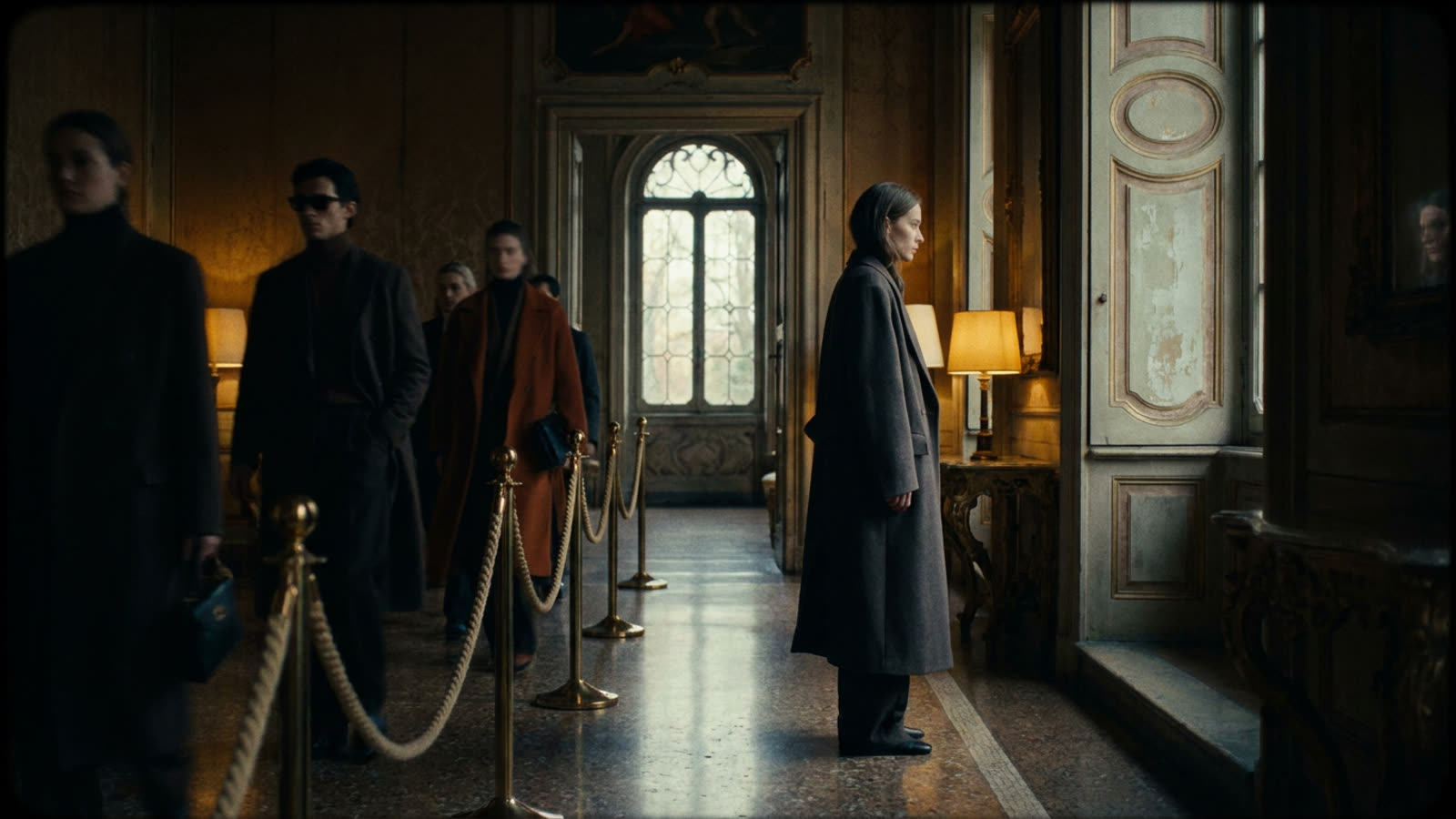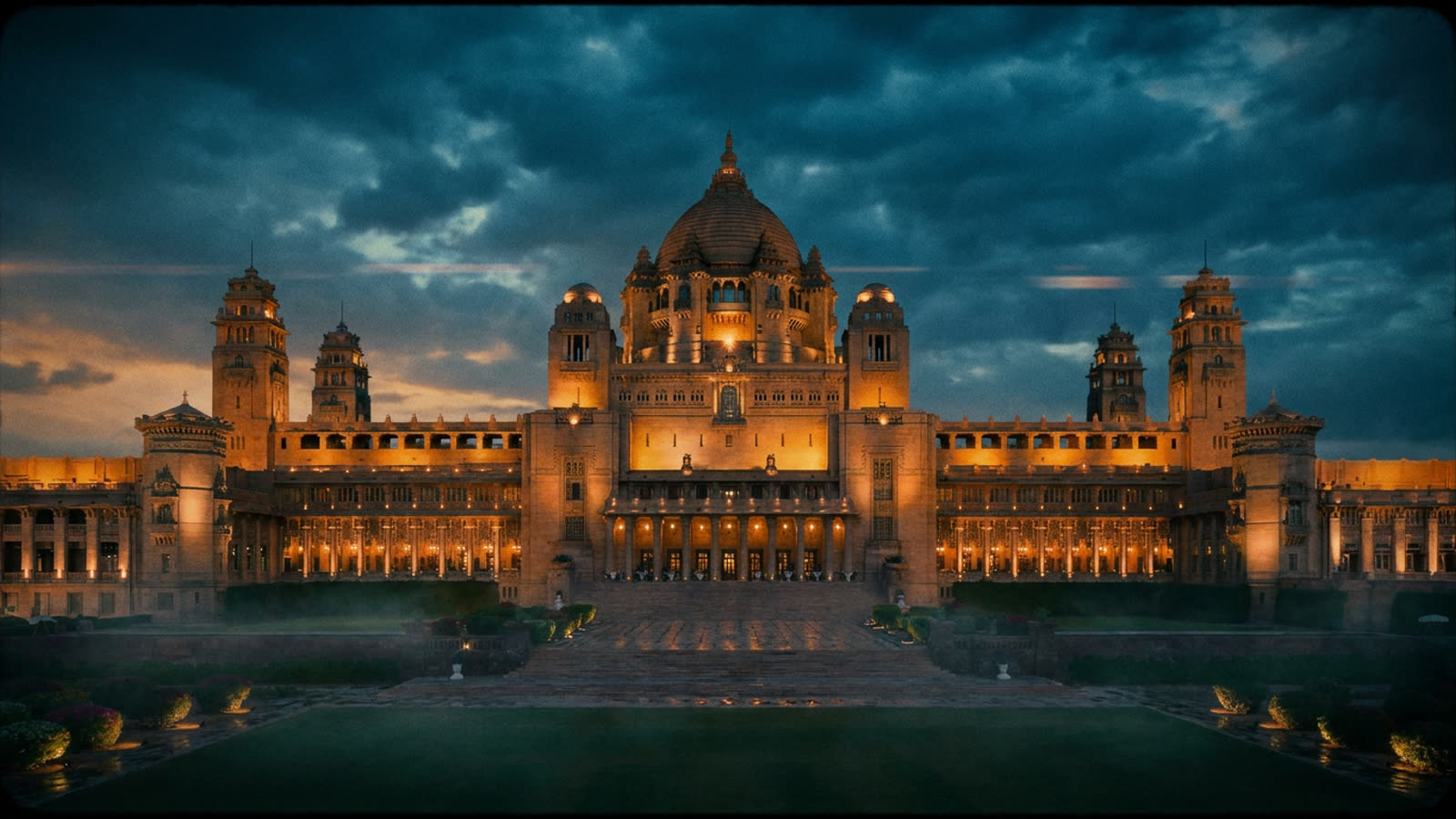
The palace hotel is an architectural absurdity that makes perfect commercial sense. These sprawling monuments to Edwardian excess — with their armies of staff, their marble lobbies the size of tennis courts, their insistence on fresh flowers in every corridor — should have been rationalized out of existence by the same forces that killed the ocean liner and the grand department store. Instead, they thrive, their rates climbing ever higher while their occupancy remains robust. The Ritz Paris, The Savoy, Claridge's, The Peninsula Hong Kong, Raffles Singapore: institutions that have outlived empires, world wars, and the entire concept of service they were built to provide.
The survival is not sentimental. It is ruthlessly economic.
The arithmetic of extravagance
A palace hotel operates on a cost structure that would bankrupt a conventional property. Staff-to-guest ratios can exceed three to one. Suites sit empty for weeks awaiting the right booking. Restaurants lose money as a matter of policy, their Michelin stars serving as marketing rather than profit centers. Yet the model works because palace hotels have discovered something that efficiency-obsessed competitors cannot replicate: the premium for theater is nearly infinite among those who can afford it.
The guest paying four figures per night for a room at The Connaught is not purchasing shelter. They are purchasing the experience of being known — of having their preferences anticipated, their eccentricities accommodated, their presence treated as an event rather than a transaction. This cannot be automated. It cannot be scaled. It can barely be trained; the great palace hotels poach staff from one another like football clubs, because the institutional knowledge of how to make a hedge fund manager feel like visiting royalty takes years to acquire.
The new money problem
The palace hotel's greatest challenge is not cost — it is clientele. The institutions were designed for a leisure class that no longer exists in its original form: aristocrats and industrialists who traveled with steamer trunks and stayed for seasons. Today's wealthy travel light, stay briefly, and arrive with expectations shaped by technology platforms that promise frictionless immediacy.
The great hotels have adapted with surprising agility. WhatsApp concierge services now sit alongside the traditional desk. Mobile check-in exists for those who want it, though the wise general manager ensures it is never promoted. The trick is offering modernity as an option while making tradition feel like a privilege. The guest who wants their room key delivered via app can have it; the guest who wants to be escorted upstairs by a tail-coated assistant while porters handle the luggage gets that instead. Both pay the same rate, but only one feels they have received something money cannot ordinarily buy.
Why they cannot be replicated
New hotels occasionally attempt the palace formula. They hire the architects, import the marble, train the staff. They fail, almost without exception. The missing ingredient is time. A palace hotel's authority derives from its history — from the knowledge that Coco Chanel lived at the Ritz for decades, that Churchill held court at Claridge's, that Hemingway claimed to have liberated the bar at the Paris Ritz personally. These stories cannot be manufactured. They can only be accumulated, and accumulation requires survival across generations.
This creates an extraordinary moat. The barriers to entry are not capital but decades. No private equity fund, however patient, can wait a century for a brand to mature.
Our take
The palace hotel endures because it sells the one thing the modern economy cannot efficiently produce: the feeling of being genuinely important. Algorithms can optimize price and predict preference, but they cannot make you feel that your arrival matters. The grand hotels understand this. Their extravagance is not waste; it is proof of commitment. Every unnecessary flourish — the hand-ironed newspaper, the turned-down bed with the chocolate placed just so, the doorman who remembers your name from a visit three years prior — signals that someone has chosen to spend resources on you that could have been spent elsewhere. In a world of infinite content and instant gratification, that signal has become priceless.