Every NFL offseason promises revolution and delivers evolution — except when it doesn't. This year's free agency frenzy and draft haul produced genuinely seismic shifts at specific positions, the kind of concentrated talent acquisition that can flip division races and rewrite playoff brackets before training camp opens.
The smart money tracks not just which teams improved, but which position groups across the league experienced the steepest talent infusions. That's where the real competitive intelligence lives.
The receiving corps renaissance
Wide receiver rooms across the league underwent radical surgery. Teams that spent years watching elite targets torch their secondaries finally responded with checkbooks and draft capital. The result is a league where the gap between have and have-not passing attacks has narrowed considerably, even as quarterback play remains stratified.
This wasn't merely about landing marquee free agents. Several franchises paired veteran acquisitions with first-round receivers, creating immediate depth where scarcity once reigned. The ripple effects will stress defensive coordinators who'd grown comfortable scheming against one-dimensional aerial attacks.
Secondary reinforcements
Cornerback and safety spending reached historic levels, a direct market response to the passing game's continued dominance. Teams that hemorrhaged yards through the air last season treated the position like a five-alarm fire, and the urgency showed in contract structures.
The draft class proved unusually deep at defensive back, allowing teams picking outside the top fifteen to land legitimate starters. That's rare. Most years, the secondary talent cliff arrives early and steep. This cycle rewarded patience and creative evaluation.
The trenches remain king
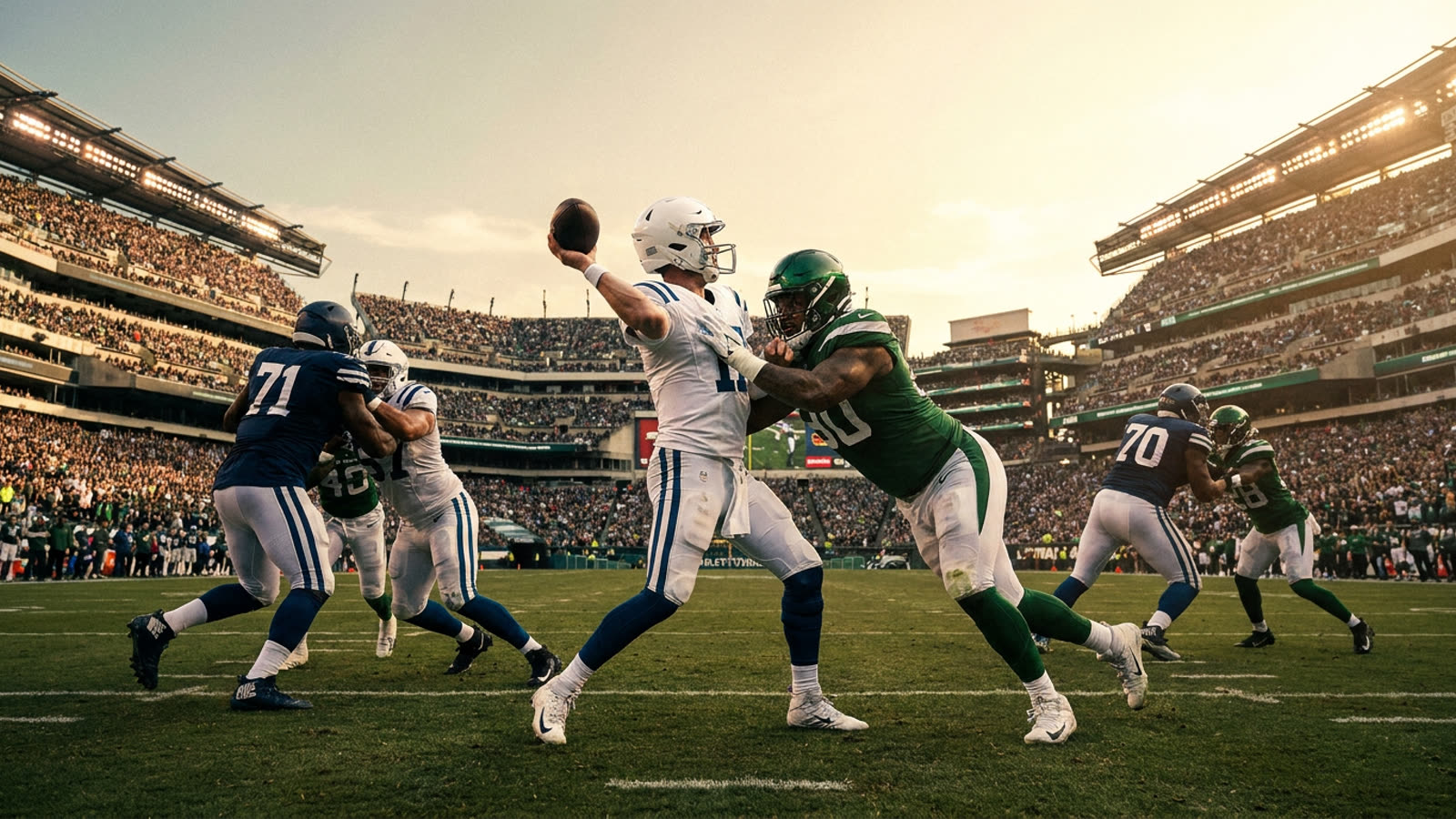
Offensive line investment never generates the same headlines as skill position splashes, but the teams that addressed protection deficiencies may have made the most consequential moves. Quarterback longevity correlates directly with pocket integrity, and several franchises that watched their signal-callers absorb punishment finally prioritized the big uglies.
Defensive line depth also improved league-wide, though the gains were more incremental. Pass rush remains the scarcest commodity in football, and teams continue overpaying for modest edge production.
Our take
The NFL's competitive balance depends on offseasons like this one — where multiple position groups experience genuine talent redistribution rather than the usual reshuffling of mediocrity. The receiving corps improvements alone should produce more entertaining football, but the secondary investments suggest defensive coordinators won't simply surrender. September will reveal which upgrades were real and which were merely expensive.