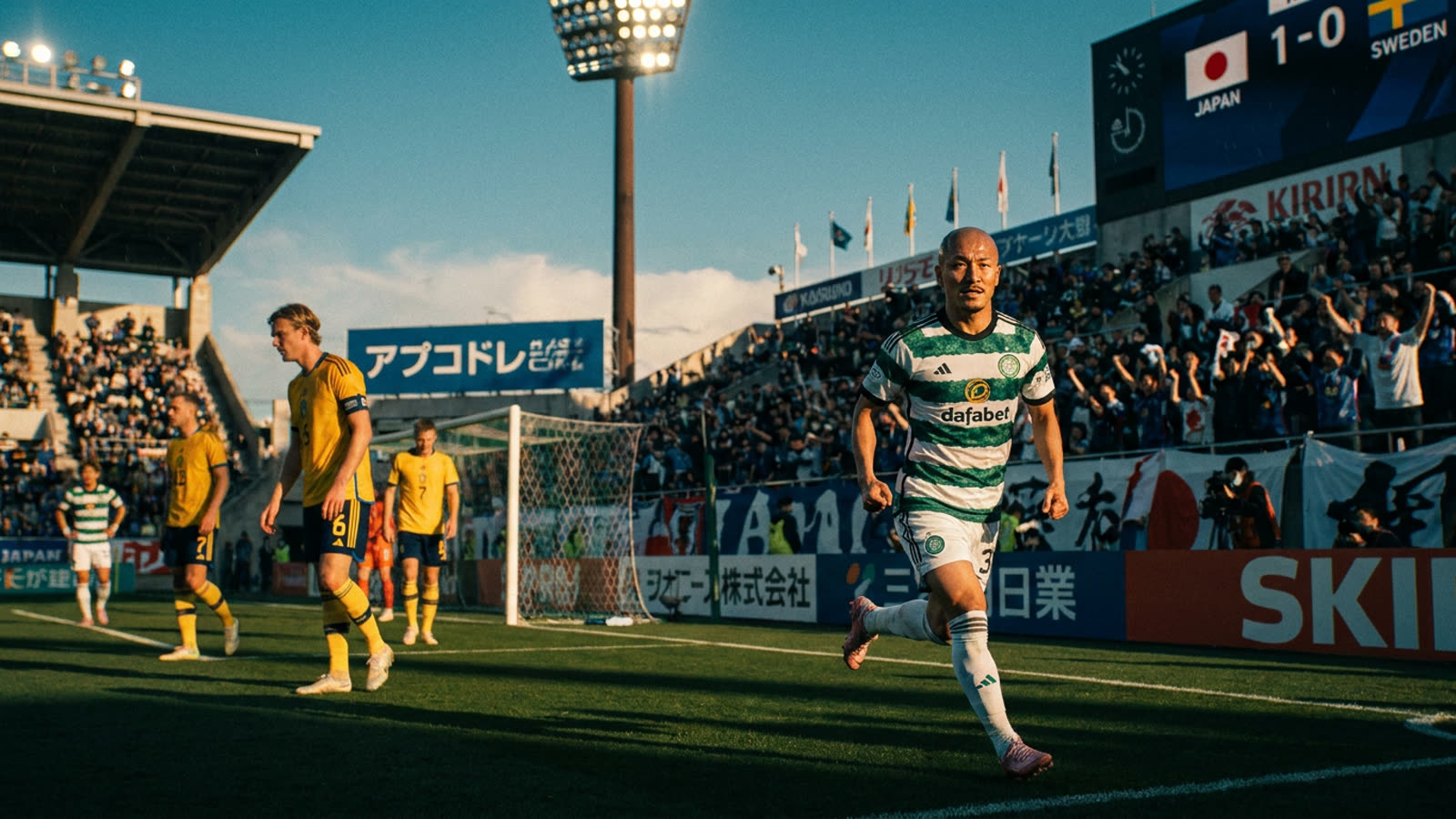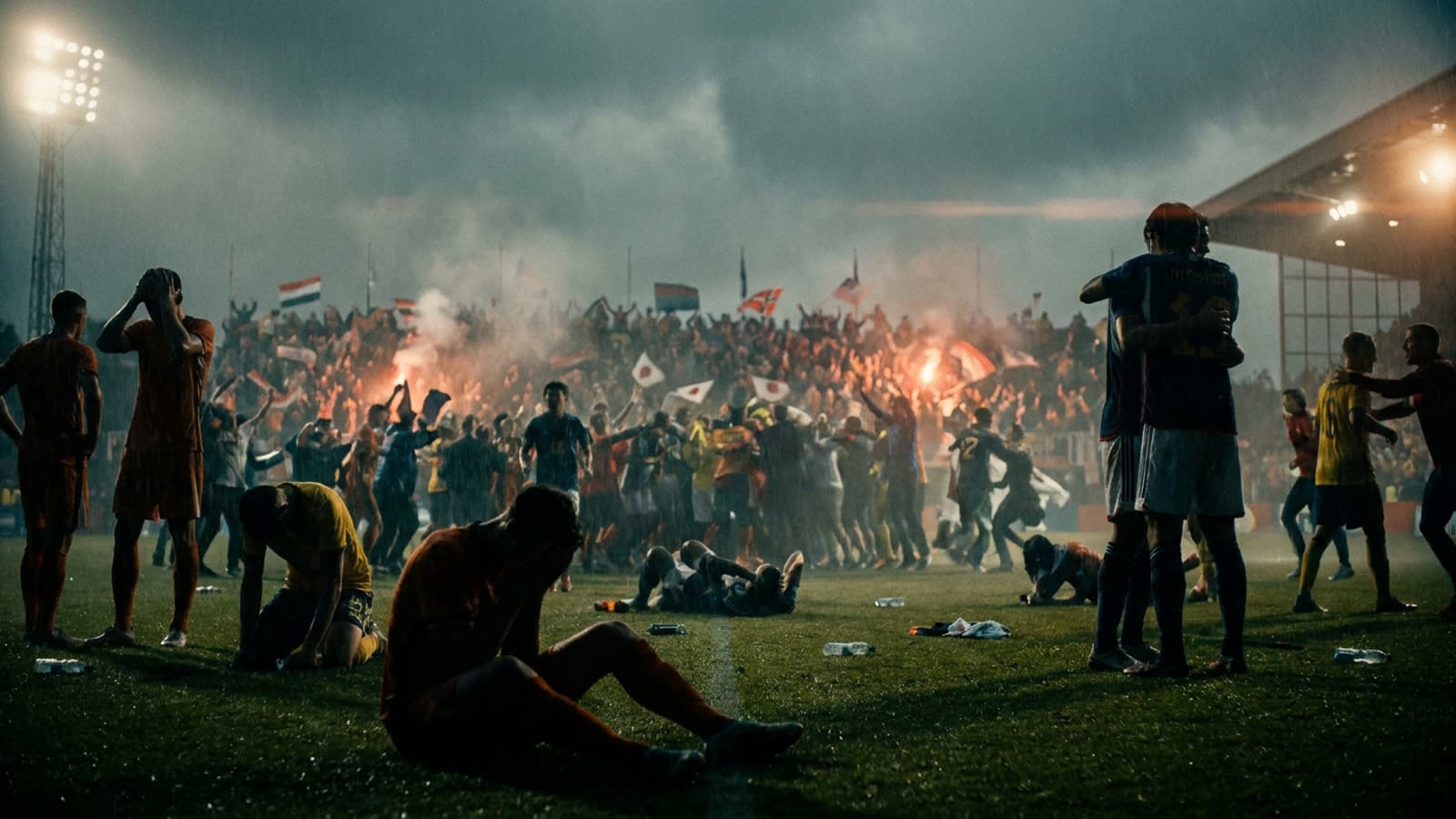
The World Cup's group stage exists to separate contenders from pretenders, but Group F refused to cooperate with such tidy narratives. When the final whistle blew on Thursday night's simultaneous matches, three teams had qualified for the knockout rounds — Netherlands, Japan, and Sweden — while Serbia packed their bags despite never being mathematically eliminated until the very end.
This was football at its most beautifully cruel: a night where every goal in one stadium sent shockwaves through another, where managers checked their phones mid-match, and where the difference between glory and an early flight home came down to margins measured in single digits.
The Dutch exhale, barely
Netherlands entered the final matchday as group leaders but played with the nervous energy of a team that understood their position was more precarious than the table suggested. Their path to qualification required avoiding catastrophe rather than chasing triumph — a psychological burden that often undoes even the most talented squads.
The Oranje managed the task with characteristic Dutch pragmatism, securing the point they needed while keeping one eye on developments elsewhere. It was not the swaggering total football of generations past, but tournament football rarely rewards aesthetics over results. They advance as group winners, which in the World Cup's bracket structure could prove more valuable than any individual performance.
Japan's quiet consistency pays dividends
For Japan, qualification represents validation of a footballing philosophy that has been decades in the making. The Samurai Blue have evolved from World Cup tourists to genuine contenders, their technical precision and tactical discipline now matching their renowned work ethic.
Their advancement came without the drama that engulfed their group rivals — a testament to the steady accumulation of points across all three matches rather than reliance on a single heroic performance. In a tournament where volatility has claimed several pre-tournament favorites, Japan's consistency stands as its own form of excellence.
Sweden survives the chaos
Sweden's qualification will be studied by football statisticians for years. They advanced not through dominance but through the precise calibration of results across the group — the kind of outcome that makes goal difference feel less like a tiebreaker and more like a parallel competition running alongside the actual matches.
The Swedes have built their tournament identity around defensive organization and clinical finishing, qualities that translate well to knockout football where a single goal can decide everything. Their fans, who have endured decades of near-misses and heartbreaks, will take advancement however it arrives.
Serbia's cruel arithmetic
For Serbia, the group stage ending carries particular sting. They were never outclassed, never embarrassed, never obviously inferior to the teams that advanced past them. They simply lost the margins — the goals that didn't quite find the net, the defensive lapses that proved costly, the fine lines that separate World Cup participants from World Cup competitors.
Serbian football possesses genuine quality, with players scattered across Europe's top leagues and a tactical sophistication that troubled every opponent they faced. But the World Cup does not grade on potential or effort. It counts points and goals, and Serbia came up short on both.
Our take
Group F's finale was the World Cup at its most essential: simultaneous matches, cascading consequences, and the understanding that football's beauty lies partly in its cruelty. Netherlands, Japan, and Sweden advance not because they were necessarily the three best teams, but because they accumulated the right results at the right moments. Serbia goes home knowing they weren't dramatically worse than any qualifier — just marginally less fortunate. The knockout rounds will be less forgiving still, where single-elimination transforms every match into its own complete narrative. For the three survivors, Thursday night's chaos was merely the prologue.