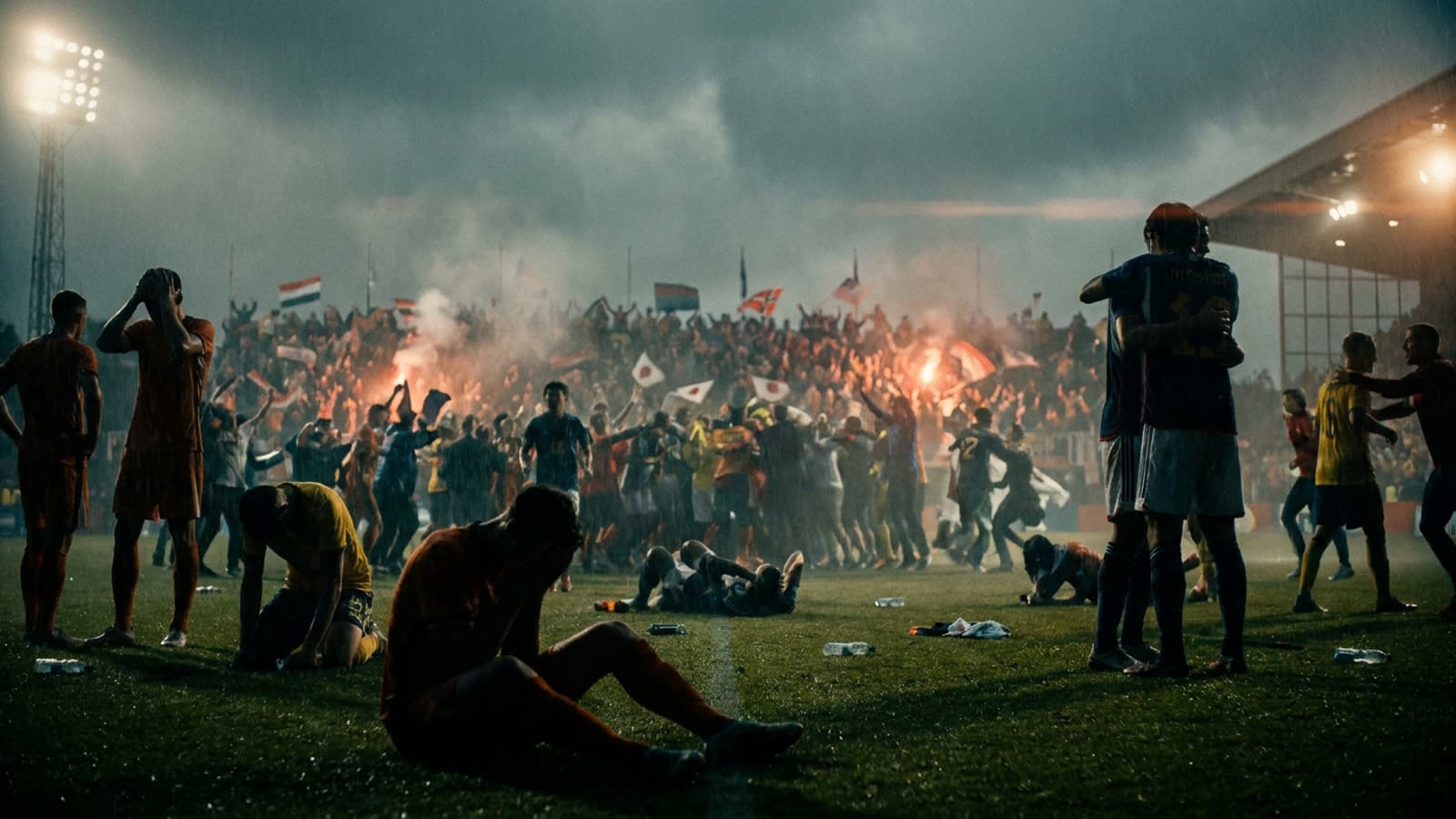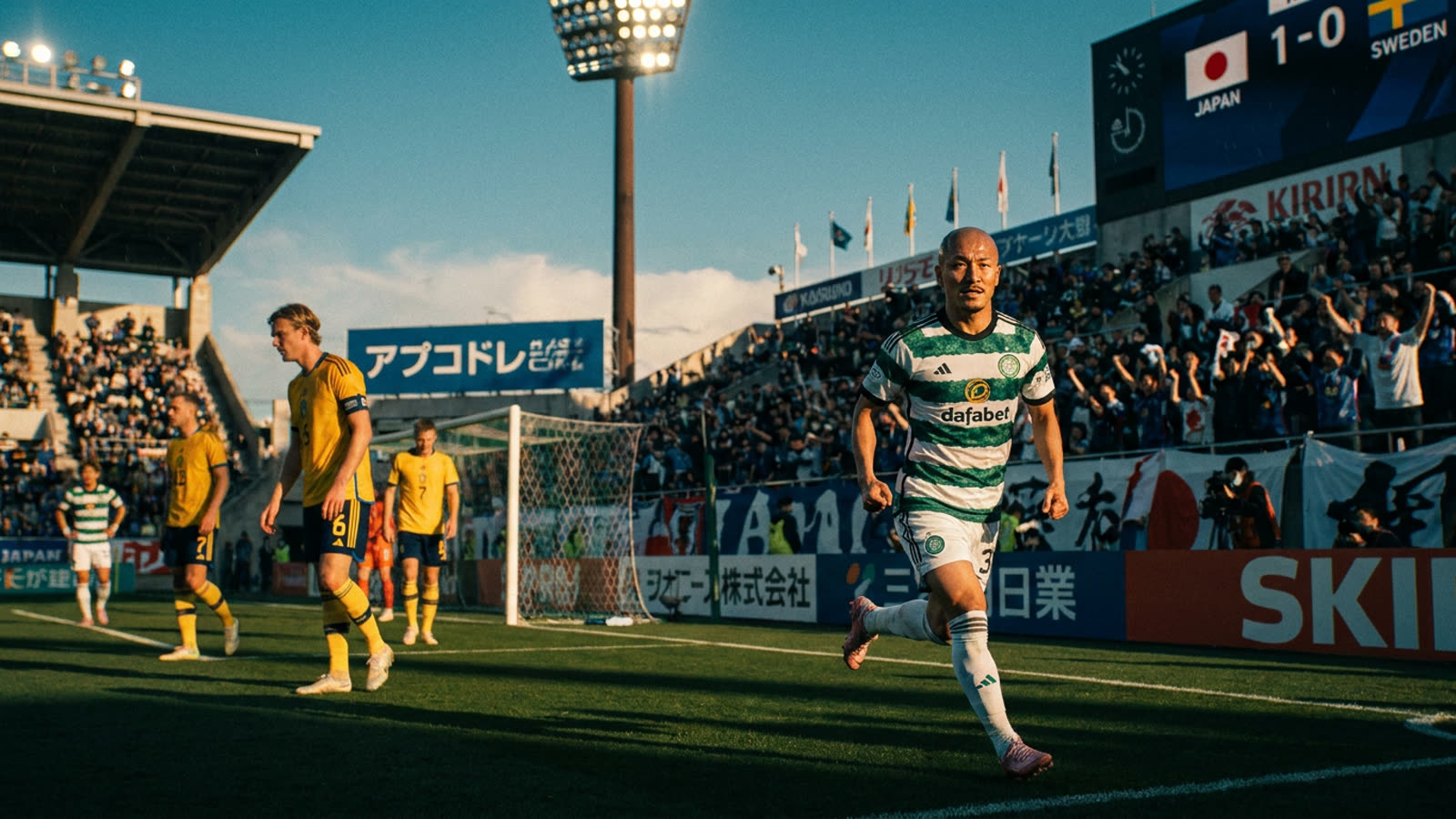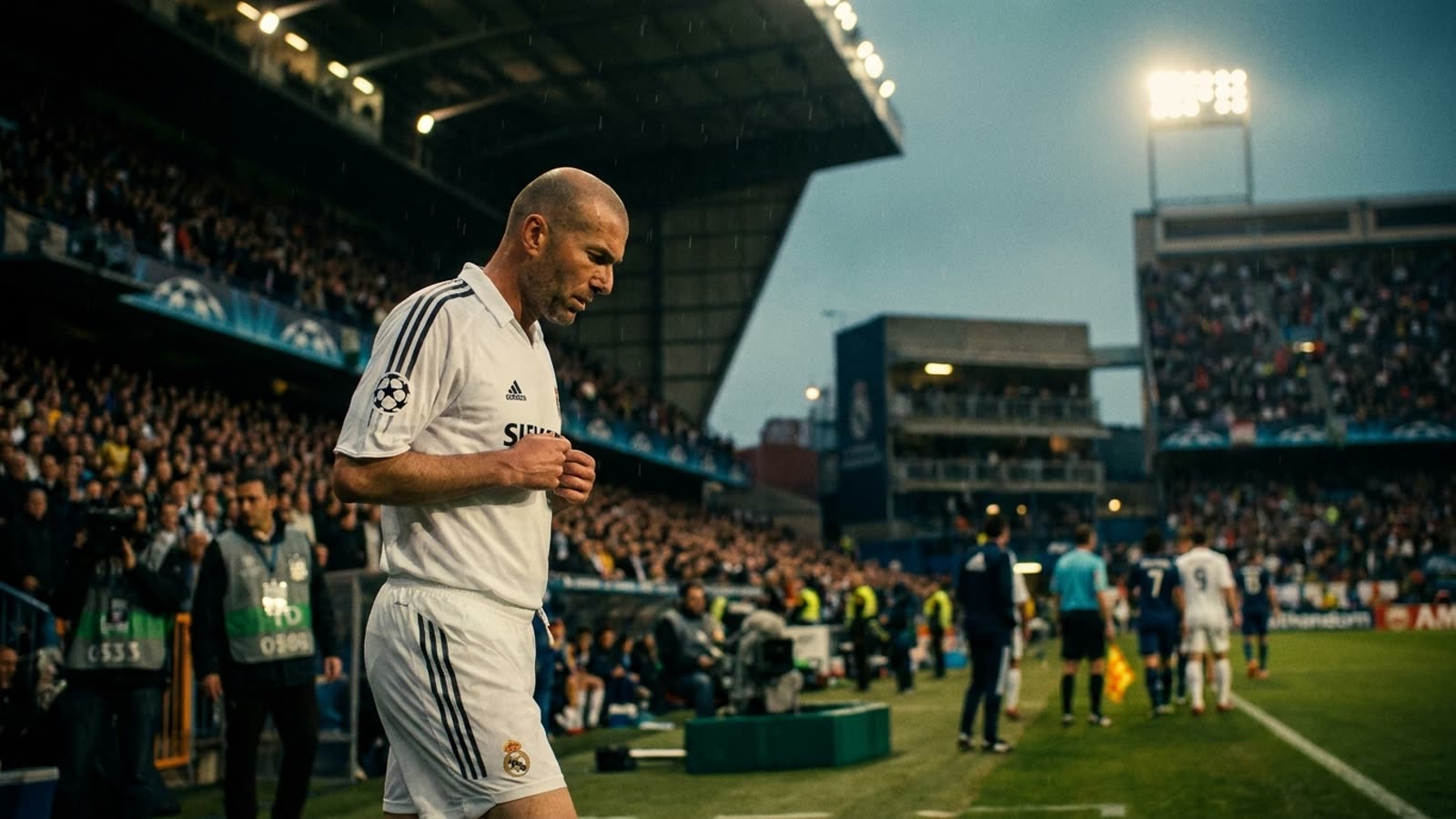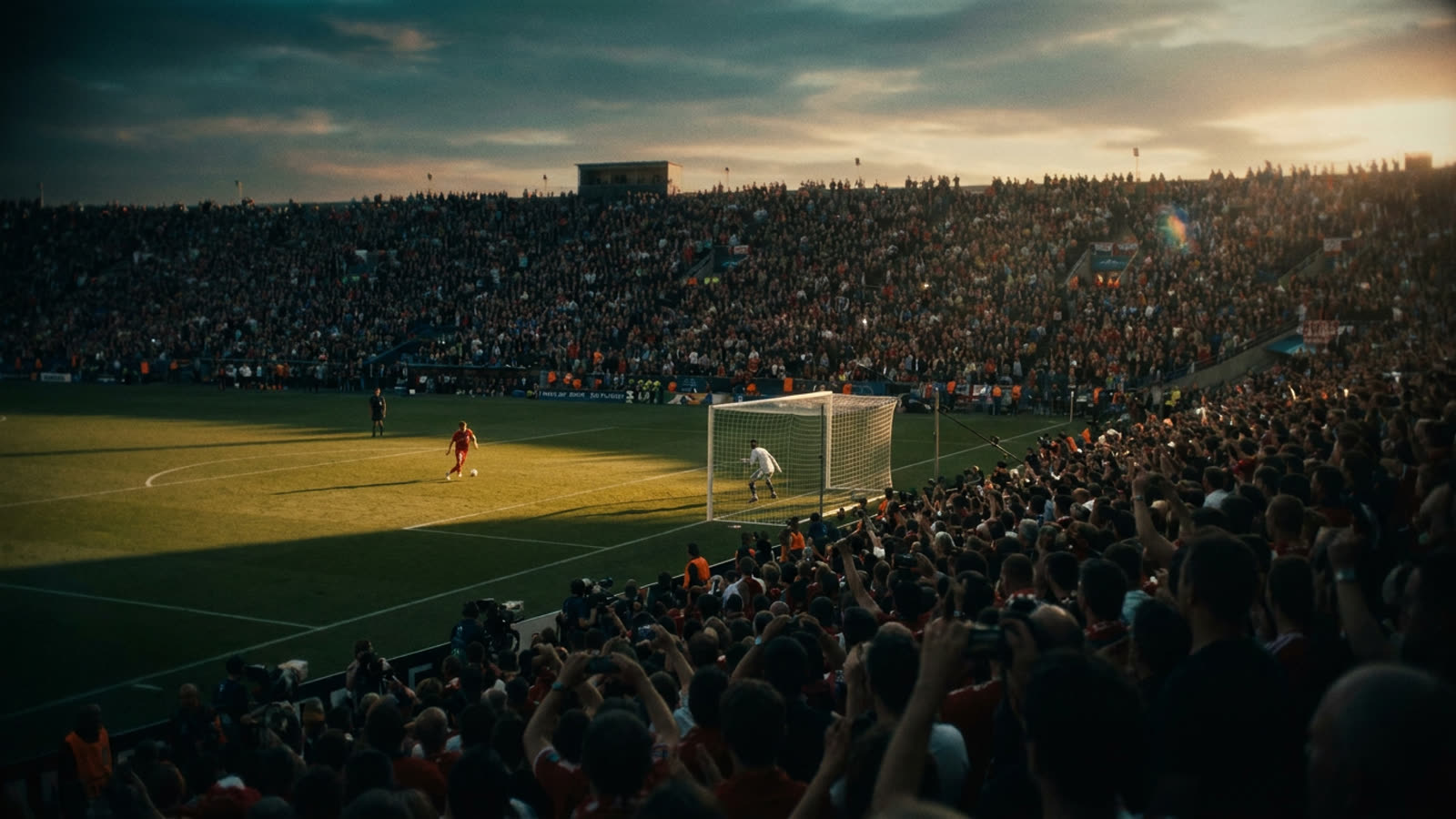
No other moment in sport compresses so much consequence into so little action. A penalty kick takes roughly one second from the striker's first step to the ball crossing the line—or not—yet entire national narratives pivot on that sliver of time. The shootout is football's great leveler and its great distorter, a mechanism that can crown a side that was outplayed for two hours while condemning the better team to decades of therapy.
The format arrived at the World Cup in 1982, replacing the coin toss that had previously settled deadlocked knockout matches. FIFA's reasoning was sound: let the players decide their fate rather than chance. What nobody anticipated was how the shootout would become its own specialized discipline, one that rewards neither the fastest nor the strongest but those who can simulate normalcy while their nervous system screams otherwise.
The geometry of impossibility
From twelve yards, the mathematics should favor the taker overwhelmingly. The goal is eight feet high and eight yards wide. A well-struck penalty reaches the goalkeeper in roughly four-tenths of a second, less time than human reaction allows. If the striker picks a corner and executes cleanly, no keeper on earth can stop it.
Yet conversion rates in World Cup shootouts hover around 70 percent—far below what geometry predicts. The explanation lies not in the legs but in the mind. Under extreme pressure, fine motor control degrades. The corner that seemed comfortably wide in training shrinks. Players who can thread a pass through three defenders suddenly cannot place a ball into 192 square feet of open space.
National mythologies and self-fulfilling prophecy
Certain countries have accumulated shootout trauma so consistently that the history itself becomes a burden. England's record in major tournament shootouts was, for decades, a national punchline—a source of genuine cultural anxiety that arguably made each subsequent failure more likely. The expectation of missing becomes its own gravitational force.
Conversely, Germany built a reputation for shootout ruthlessness that seemed to grant their players an unfair psychological advantage before a ball was struck. Opponents faced not just eleven Germans but the accumulated weight of German shootout mythology. Whether this constitutes genuine mental fortitude or simply a favorable statistical run that hardened into narrative is impossible to untangle—which is precisely the point. In shootouts, perception and reality blur until they become the same thing.
The goalkeeper's asymmetric gamble
Keepers occupy a peculiar position in the shootout's psychology. They are expected to lose each individual duel—saving even two penalties from five is considered heroic—yet they must project total confidence. The smart play, statistically, is to dive early and commit fully to one side. But this looks foolish when the striker goes the other way. Some keepers stay central longer, hoping to read the taker's body language, but this strategy has its own failure mode: the ball passes while the keeper is still deciding.
The best shootout keepers understand that their job is partly theatrical. A well-timed stare, a moment of gamesmanship on the line, a slight delay in handing over the ball—these micro-aggressions can plant doubt in a taker's mind. The rules technically prohibit such antics, but enforcement is inconsistent, and the margins are so fine that even a flicker of hesitation in the striker can mean the difference between glory and infamy.
Our take
The shootout is a necessary evil that has become, almost despite itself, essential viewing. It violates football's fundamental nature—a game of collective movement reduced to isolated individual acts—yet it produces drama that no amount of open play can match. To watch a player walk from the halfway line to the penalty spot in a World Cup semifinal is to witness something close to pure human vulnerability. We should probably find a better way to settle matches. We almost certainly never will.