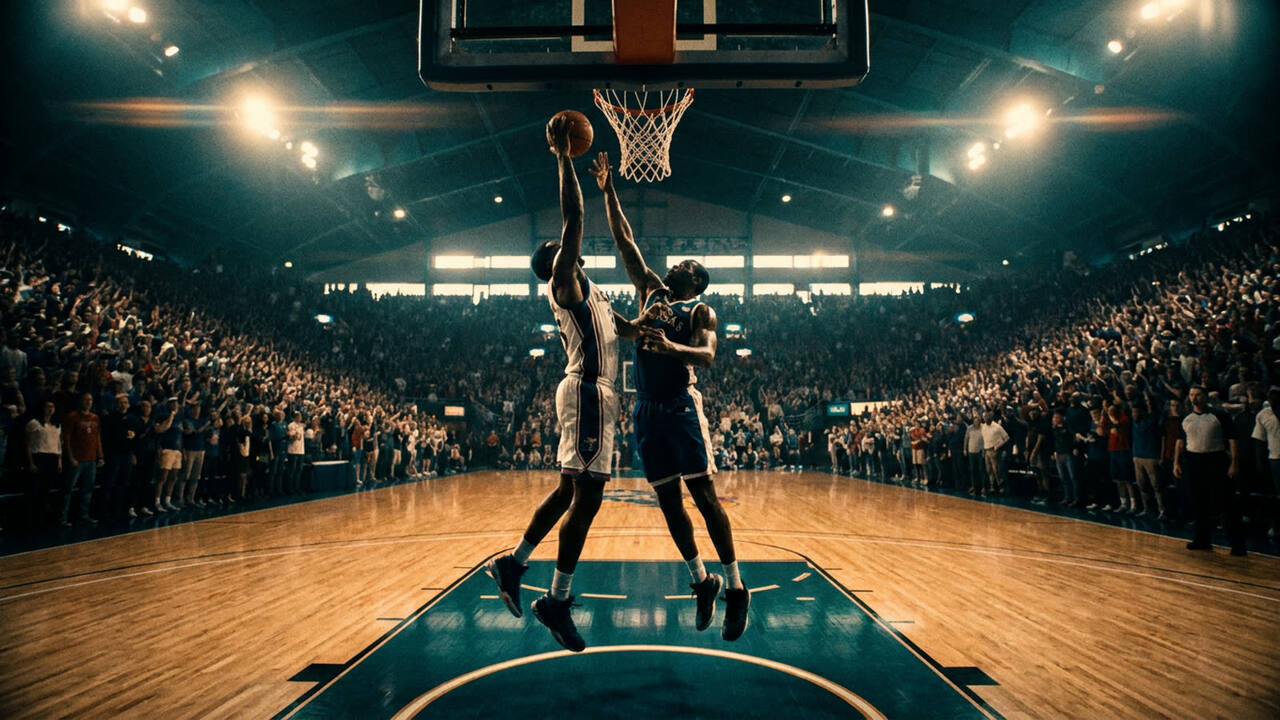
The NBA draft remains professional sports' most peculiar ritual: a televised exercise in hope where billionaires stake their franchises on teenagers who have never played a professional minute. This year's edition, held Thursday night, delivered the usual cocktail of consensus picks, head-scratching reaches, and trades that will look either prescient or catastrophic in five years.
What distinguished the 2026 class was its unusual depth at the top combined with genuine uncertainty about who belongs there. Unlike drafts dominated by a single generational prospect, this one offered front offices multiple plausible paths to building a contender—and multiple ways to catastrophically miscalculate.
The consensus picks that weren't
The first handful of selections followed the general contours of mock drafts, but the order kept shifting in ways that revealed how differently teams value certain skills. Some franchises prioritized defensive versatility; others bet on offensive creation. The divergence wasn't subtle. Two players widely considered top-five talents slid further than expected, not because of red flags but because the teams picking ahead of them simply valued different attributes.
This is the draft's essential tension: every selection is simultaneously a bet on a player and a statement about what kind of basketball a franchise wants to play. The teams that got this alignment right will look brilliant. The others will fire their general managers.
The reaches that might not be
Every draft produces selections that draw immediate mockery from analysts—players taken ten or fifteen spots above their projected range. Some of these are genuine mistakes born of organizational dysfunction. Others reflect information asymmetry: teams with better scouting, better medical evaluations, or simply better relationships with prospects and their camps.
This year featured several such picks, including at least two that prompted audible gasps from the assembled media. Whether these were strokes of genius or organizational malpractice will take years to determine. The draft's cruelty is that everyone must render judgment immediately while the actual verdict remains years away.
The trade market's strange logic
Draft-night trades follow their own peculiar economics. Teams swap picks, players, and future assets in combinations that often seem to defy rational analysis. This year's trade activity was brisk, with several franchises moving up to target specific prospects while others accumulated future picks, betting that patience will eventually be rewarded.
The most intriguing moves involved teams clearly positioning for different timelines. Contenders added players expected to contribute immediately; rebuilding franchises stockpiled assets. The middle class of the league—teams too good to tank, too flawed to contend—faced the hardest choices, as they always do.
Our take
The NBA draft's appeal lies in its combination of certainty and chaos. Everyone agrees the picks matter enormously; no one agrees which picks will matter most. This year's class offered enough genuine talent to reward several franchises handsomely, but the distribution of that talent across thirty teams will ultimately depend on factors no one can fully evaluate in June. The smart money says at least one lottery pick will be out of the league in five years, and at least one second-round selection will make an All-Star team. The draft's job is to sort them. History suggests it will do so imperfectly.