The country that gave the world Maradona, Messi, and three World Cup trophies has built its footballing empire on a foundation that, according to a damning new investigation, routinely fails the children it claims to nurture.
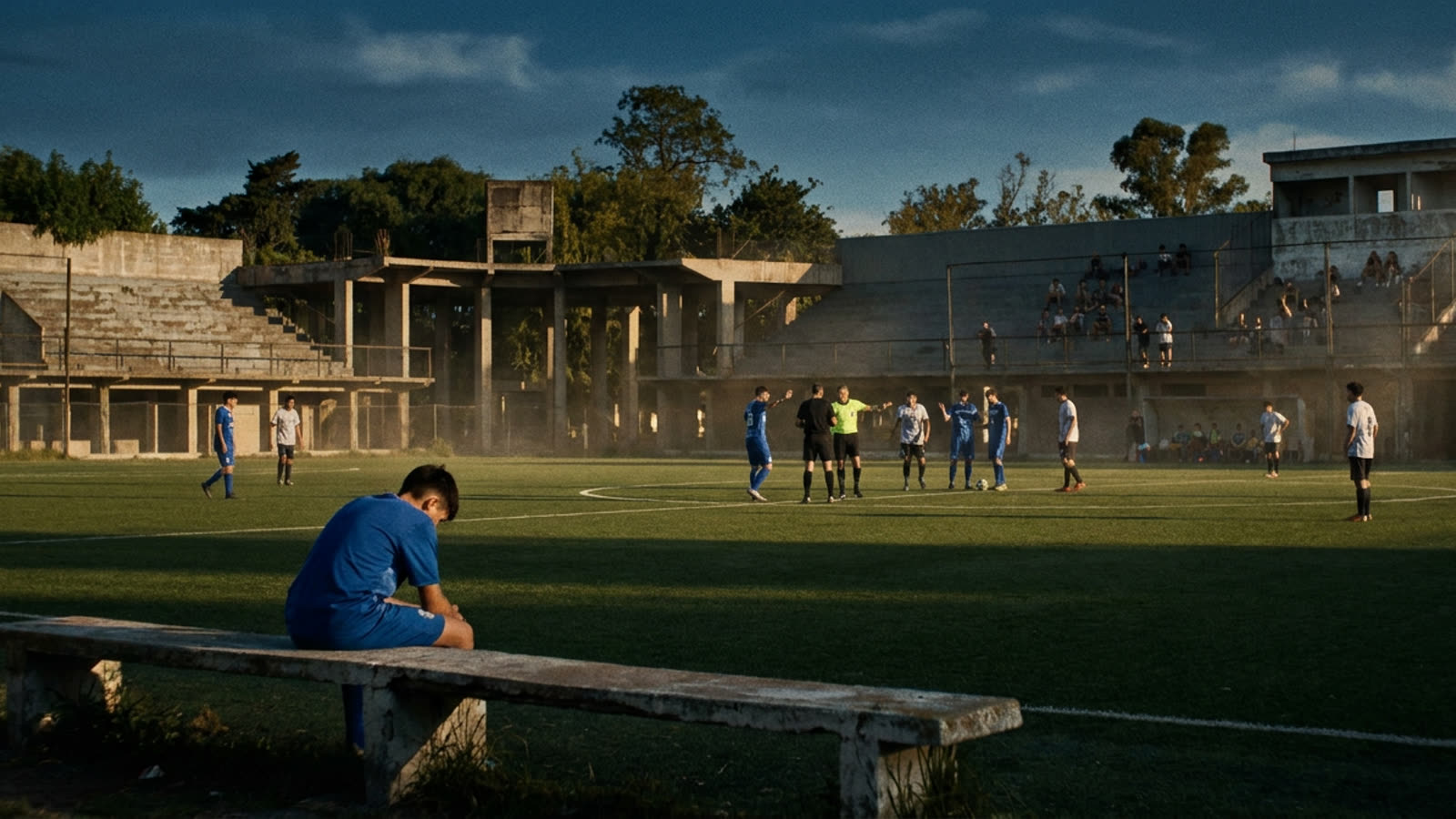
ESPN's reporting details a pattern of abuse within Argentina's youth soccer academies that reads less like an exposé of a sports system and more like a human rights indictment. Children as young as twelve, plucked from poor families across the country and beyond, are allegedly subjected to neglect, hunger, and in some cases sexual abuse — all in pursuit of the dream that one of them might become the next global superstar.
The factory model's human cost
Argentina's youth development infrastructure is legendary in footballing circles. Clubs like River Plate, Boca Juniors, and Independiente have produced generations of players who command hundreds of millions in transfer fees on the European market. The economic logic is straightforward: invest minimally in housing and feeding hundreds of prospects, export the handful who succeed, profit enormously.
But that calculus has always required looking away from what happens to the majority who fail — and, it now appears, from what happens to many of them while they're still trying. The investigation describes children living in overcrowded dormitories with inadequate food, minimal education, and virtually no psychological support. The power imbalance between adult coaches controlling careers and adolescent boys desperate to escape poverty creates conditions ripe for exploitation.
Why this matters beyond Argentina
Every major footballing nation operates some version of this system. Brazil's academies have faced similar scrutiny. European clubs increasingly sign African and South American children to their youth programs, often separating them from families and support networks. The global transfer market's appetite for young talent creates incentives that push against child welfare at every turn.
Argentina's case is particularly striking because of the country's outsized success. When a system produces Messi, the temptation is to assume it must be doing something right. The investigation suggests the opposite conclusion: that success has been achieved despite, not because of, how these institutions treat their charges.
The timing problem
This reporting lands as Argentina defends its World Cup title on home soil, with the tournament's knockout rounds approaching. The national team's golden generation — many of whom passed through the very academies now under scrutiny — will play before adoring crowds in stadiums across the country. The cognitive dissonance is uncomfortable but instructive: the product on the pitch bears no visible trace of the process that created it.
Our take
Football has always been comfortable separating the art from the artist, the goal from the system that produced the goalscorer. Argentina's youth academy scandal demands we stop. A sport that generates billions annually while allegedly starving and abusing the children in its care isn't suffering from a few bad actors — it's suffering from a business model that treats human beings as raw material. FIFA, continental federations, and national associations have the power to impose meaningful welfare standards and enforce them through the one lever that matters: eligibility. Until they do, every spectacular goal scored by a player who emerged from this system carries an asterisk we'd rather not read.