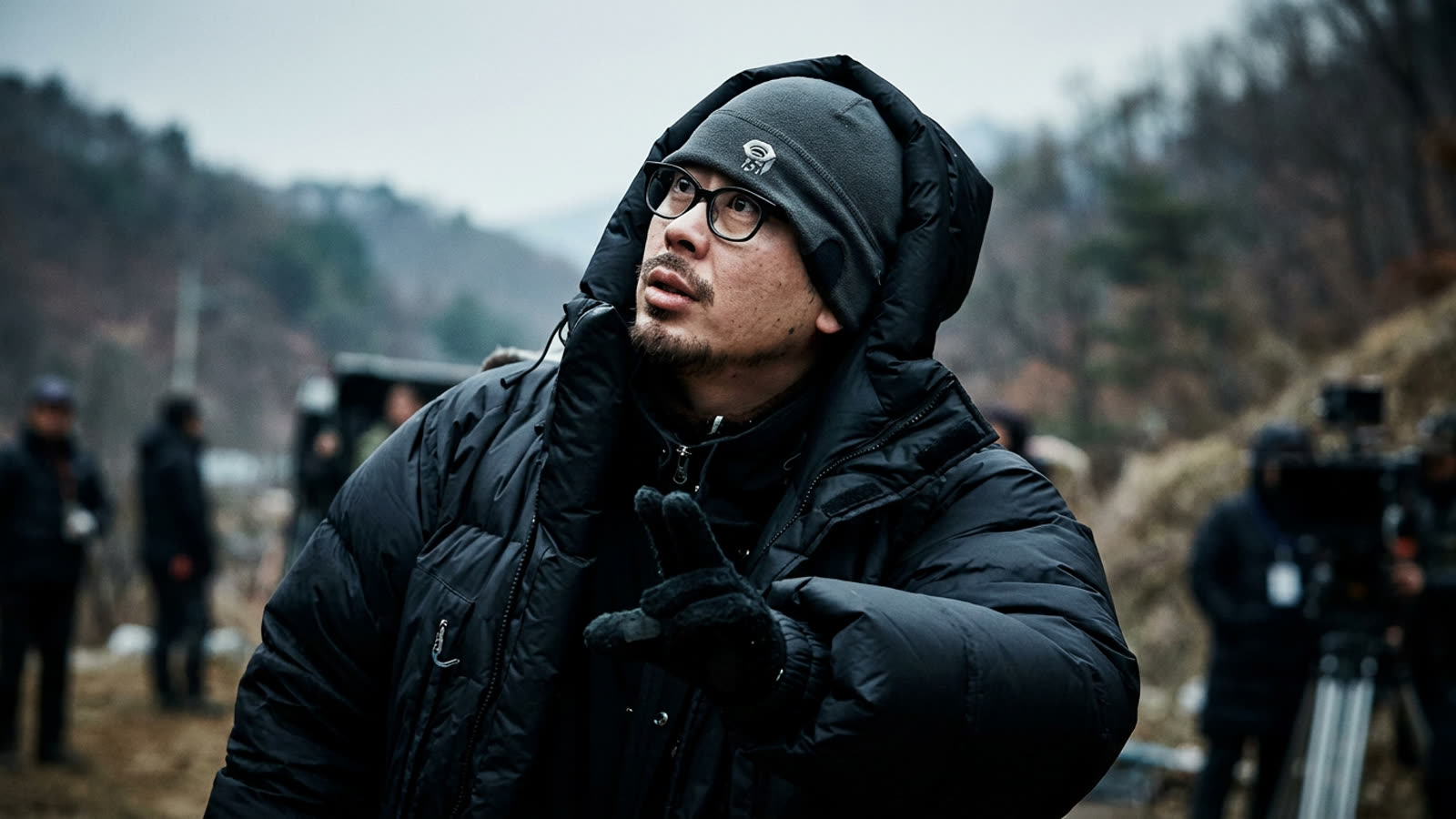
A six-minute standing ovation at Cannes is not a review. It is a weather event—a collective exhale from an audience that has been holding its breath, in this case for exactly one decade, waiting for Na Hong-jin to make another film. On Sunday night, the South Korean director finally delivered "Hope," a big-budget creature feature about rural villagers battling an apparent alien invasion, and the Croisette responded with the kind of sustained applause usually reserved for late-career auteurs screening their final masterworks. Na is 50 years old and has made four features. He is neither late-career nor predictable, which may be precisely the point.
The premise is simple; the execution is not
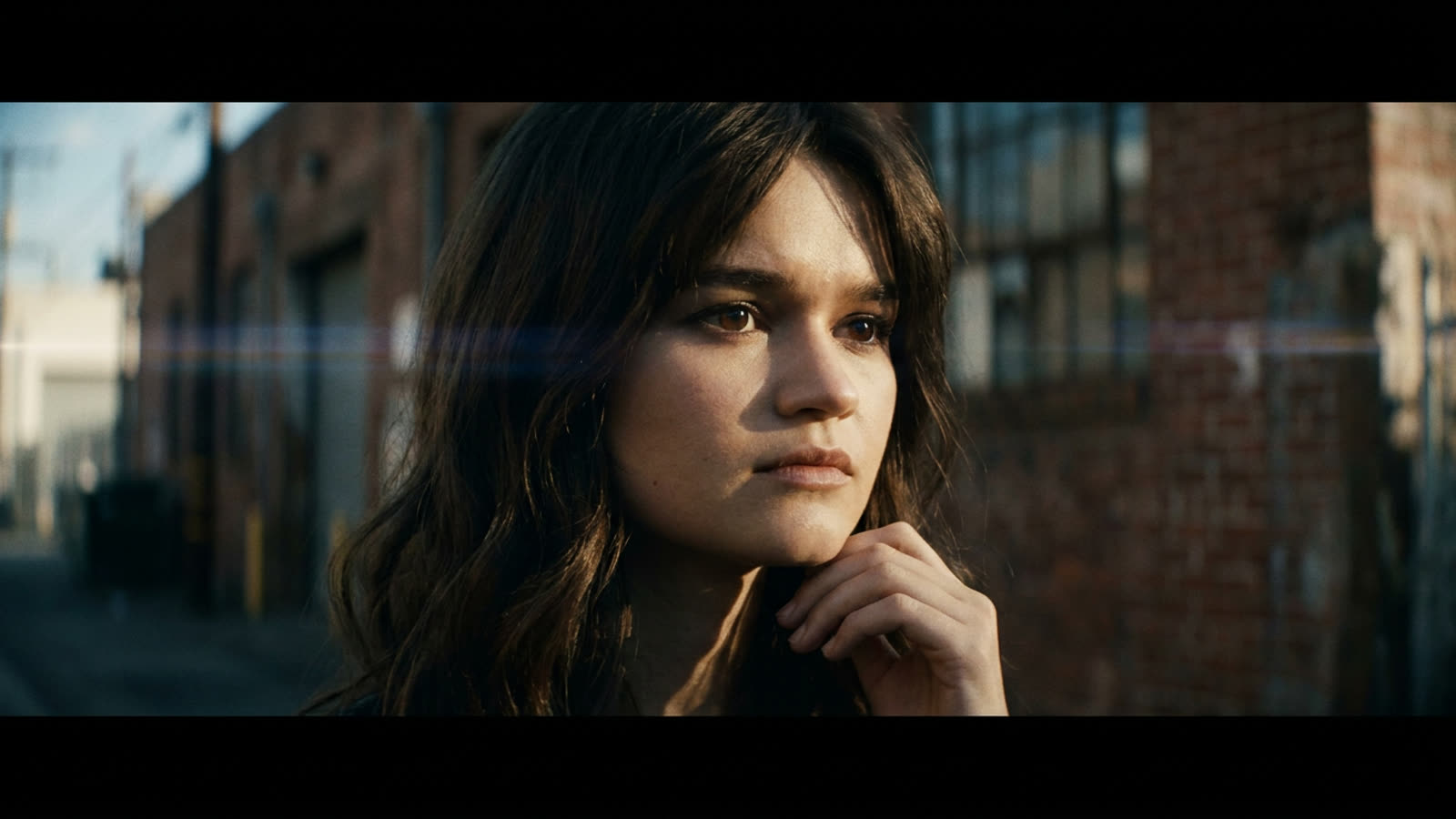
Set in a sleepy mountain town, "Hope" follows a community suddenly confronted by violent, otherworldly invaders. Hwang Jung-min, Zo In-sung, and Hoyeon lead a Korean ensemble, with Michael Fassbender and Alicia Vikander appearing in roles that remain somewhat mysterious in early reviews. The film runs long—critics have noted its sprawl—and toggles between tones with the recklessness of a director who has spent a decade stockpiling ideas. There is bawdy humor, there is brutal action, there is CGI that ranges from impressive to questionable. The Hollywood Reporter called it an "instant cult classic." Variety described it as "overlong" but "a guns-blazing riot." Both assessments appear to be correct simultaneously.
Why the decade-long wait matters
Na's 2016 film "The Wailing" was a horror-mystery-thriller hybrid that refused to resolve into any single genre, earning a devoted international following and the kind of critical reverence that makes subsequent projects terrifying to undertake. The pressure to follow a film that good can paralyze a filmmaker. Na responded by going bigger, not smaller—securing blockbuster financing, recruiting an international cast, and building a creature feature with apparent allegorical ambitions. Whether "Hope" coheres as a film or simply overwhelms as an experience will depend on which critic you trust, but its ambition is not in dispute.
The Cannes context
This year's festival has been notably subdued. "Hope" arrived like a defibrillator. The prolonged ovation was not merely appreciation; it was relief. Cannes needs films that generate conversation beyond the industry bubble, and a Korean monster movie with Hollywood stars, uneven CGI, and a director who hasn't made a feature since Obama's second term is exactly the kind of ungovernable object that travels. Whether it wins prizes is almost beside the point. It has already won attention.
Our take
Na Hong-jin spent ten years making a film that critics cannot agree on, audiences cannot stop clapping for, and no one can ignore. That is a more interesting outcome than a polished, respectable follow-up would have been. "Hope" sounds exhausting, excessive, and possibly brilliant—which is to say it sounds like exactly what happens when a perfectionist finally decides to let the chaos win. We will watch it the moment it becomes available, and we suspect you will too.