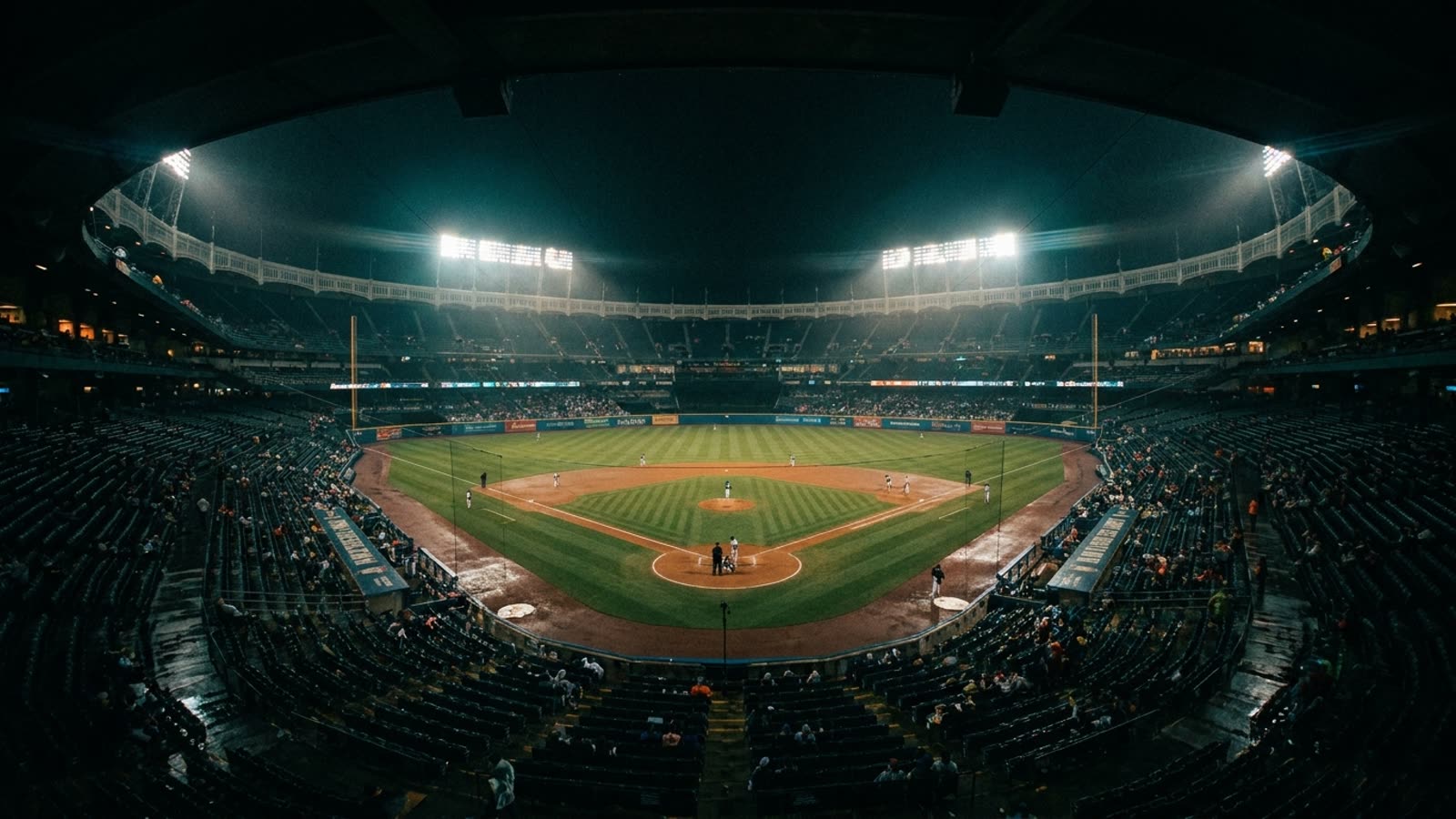
Major League Baseball has floated a salary cap to the players' union for the first time since the catastrophic 1994 strike that erased the World Series, a move that signals either genuine structural reform or the opening salvo of another labor war—possibly both.
The proposal, emerging from ownership meetings this week, arrives at a peculiar moment: revenues are robust, international expansion is accelerating, and the sport's competitive balance, while imperfect, is arguably healthier than it was during the steroid-era spending arms race. Which raises the obvious question of why owners would detonate a bomb they spent three decades carefully defusing.
The 1994 shadow
Baseball's last salary cap push ended in disaster. The 232-day strike that began in August 1994 killed the World Series for the first time since 1904, cost the sport an estimated $1 billion, and drove away fans who didn't fully return until the home run chase of 1998. The union, led by the late Donald Fehr, treated the cap as an existential threat and won. Baseball instead adopted a luxury tax system that penalizes big spenders without hard limits—a compromise that has survived every subsequent collective bargaining agreement.
Owners have periodically grumbled about the luxury tax's inadequacy, particularly as the Dodgers, Yankees, and Mets have demonstrated that sufficiently wealthy franchises can simply absorb the penalties. But actually proposing a cap? That's new, and the union's immediate rejection was predictable.
The economics underneath
The timing suggests this is less about competitive balance than about controlling labor costs ahead of the next CBA negotiations. Player salaries have climbed steadily since the 2022 lockout settlement, with several contracts exceeding $400 million. Owners see a cap as a ceiling; players see it as a ceiling that inevitably becomes a floor—and then a lower ceiling.
There's also the matter of revenue sharing. A cap typically comes paired with a floor, forcing small-market teams to spend minimums they've historically avoided. The Pirates and Rays of the world may not love that part of the bargain. The proposal's details remain murky, but the union will demand to see the books before entertaining any discussion—a transparency owners have resisted for decades.
Our take
This proposal will not become policy in its current form, and everyone involved knows it. What it will do is frame the next round of labor negotiations, which are due before the 2027 season. Owners are planting a flag, establishing that they want structural change, not just tax tweaks. The union will counter that the current system works fine for everyone except owners who refuse to spend. The real fight is about leverage, not policy—and in baseball labor disputes, the side that blinks first loses. Neither side is blinking yet.