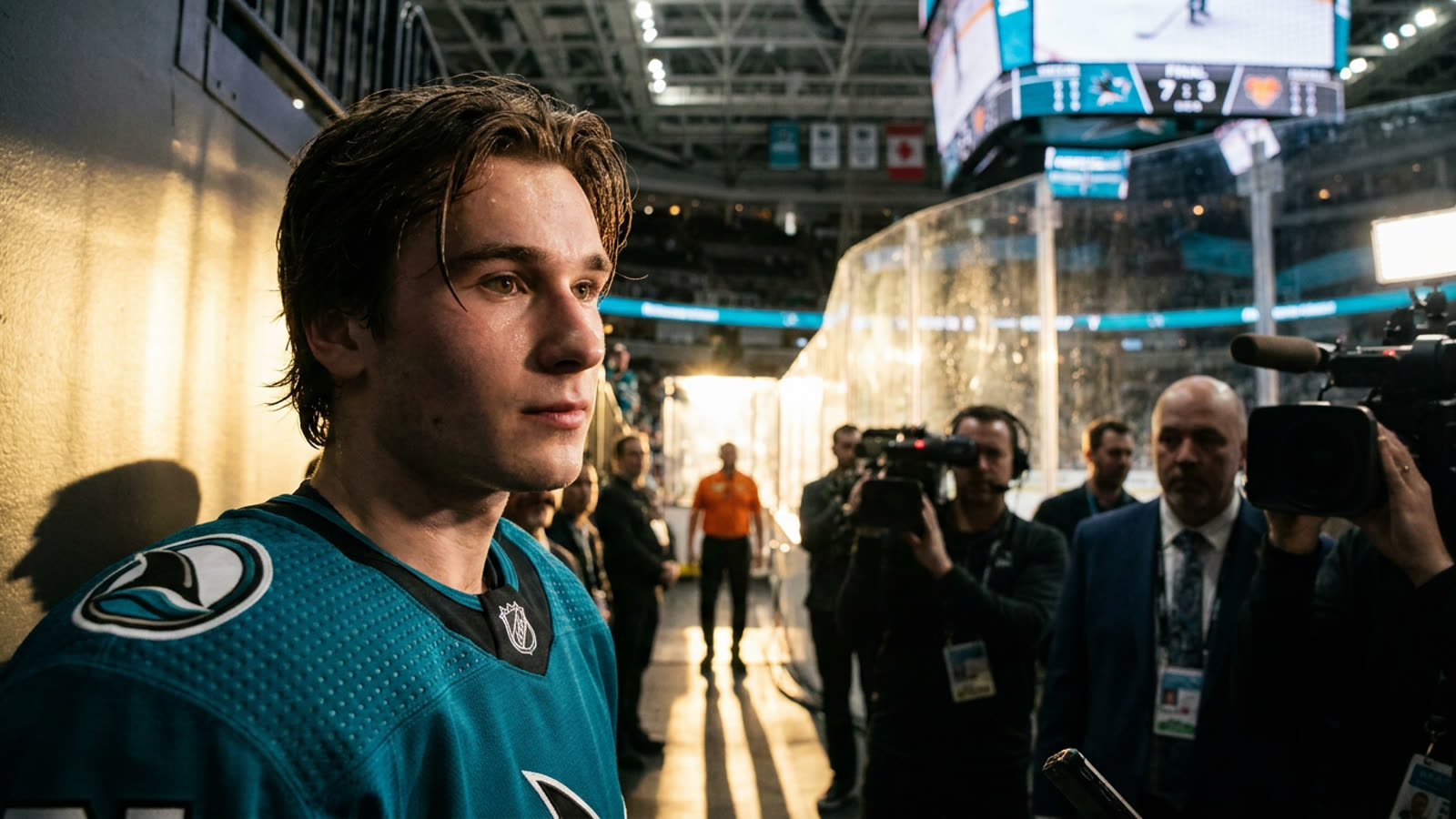
Two years into his NFL career, C.J. Stroud has done everything a franchise quarterback is supposed to do: throw for over 4,000 yards as a rookie, lead a playoff victory, earn Pro Bowl honors, and transform a moribund franchise into a legitimate AFC contender. The one thing he hasn't done is sign a contract extension, and this week he made clear that the delay isn't on him.
"I've held my bargain up," Stroud told reporters, a statement that sounds diplomatic until you parse its implication: someone else hasn't. That someone is the Houston Texans front office, which appears content to let its most valuable asset play out his rookie deal while the quarterback market inflates around them.
The math doesn't favor waiting
When Stroud was drafted second overall in 2023, the fully guaranteed money at the top of the quarterback market sat around $230 million. Today, after Jared Goff, Trevor Lawrence, and Tua Tagovailoa reset benchmarks, that floor has risen past $250 million. Every month Houston delays, the eventual cost climbs. The Texans aren't saving money by waiting—they're accruing interest on a debt they'll eventually pay.
Stroud's leverage is obvious: he's 24, healthy, and has demonstrated both arm talent and poise under pressure. The Texans have no viable succession plan and no appetite to return to the quarterback purgatory that defined the post-Deshaun Watson years. Houston needs Stroud more than Stroud needs Houston, and both parties know it.
A front office philosophy problem
General manager Nick Caserio has built a respectable roster around Stroud, adding weapons like Stefon Diggs and shoring up a defense that collapsed in the divisional round. But his reluctance to lock in the quarterback suggests either a misread of the market or a philosophical commitment to extracting maximum value from rookie contracts—a strategy that works for depth players but backfires spectacularly with franchise quarterbacks.
The cautionary tale is obvious: the Dallas Cowboys let Dak Prescott play on the franchise tag for years, creating annual distractions and eventually paying more than an early extension would have cost. Houston appears poised to repeat the mistake.
Our take
Stroud's public patience is a courtesy, not an obligation. He's being professional, but "I've held my bargain up" is the kind of statement players make before they stop being professional. The Texans have a generational talent on a rookie contract and a window to lock him in before the market moves again. Every week they wait is a week they're betting that Stroud's value won't increase—a bet that defies everything we've seen from him so far. Pay the man.