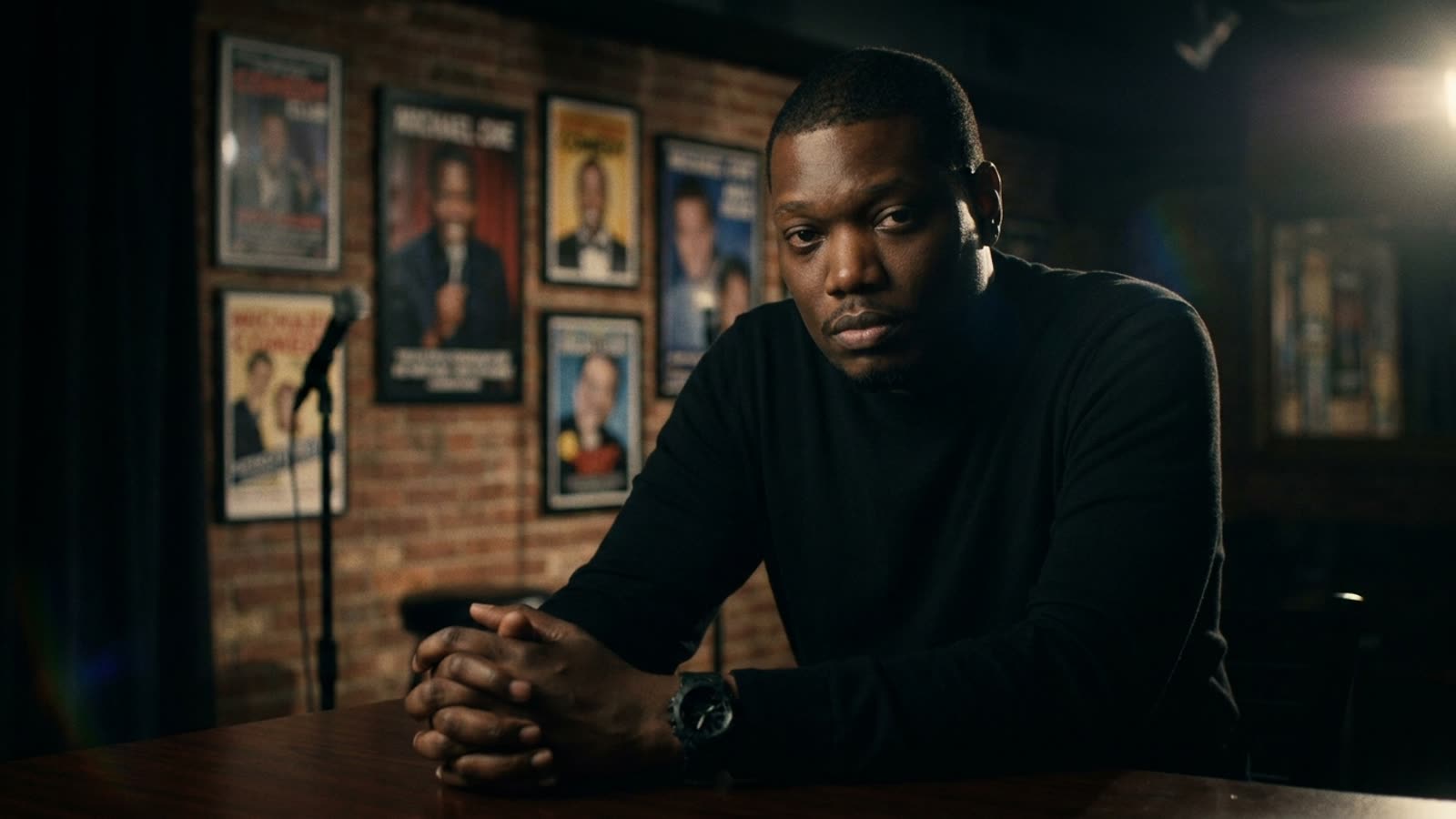
Michael Che has never been one to suffer quietly. The comedian was set to appear at Netflix's live roast of Kevin Hart on Sunday, a marquee event in the streamer's expanding comedy empire. Then he wasn't. And rather than let the absence speak for itself, Che did what Che does: he explained, publicly and pointedly, that he'd read the material and found it wanting—specifically, jokes about "slavery, sex crimes, slurs" written by white comedy writers for a show honoring a Black comedian.
The critique lands differently than the usual roast-adjacent controversy. Che isn't arguing that edgy material has no place in comedy, or that roasts should be sanitized. He's making a more surgical point about authorship: who writes the transgressive jokes, and whether that matters when the subject is someone else's trauma.
The economics of the roast industrial complex
Netflix has turned roasts into appointment television, from the Tom Brady special that broke viewership records to this weekend's Hart event. The format demands escalation—each joke must top the last, each roaster must find new territory to mine. That pressure creates a particular incentive structure in writers' rooms, where the path of least resistance often runs through the most obvious biographical material. For a Black honoree, that material inevitably includes race.
The question Che raises isn't whether such jokes can be funny—they can, in the right hands—but whether a predominantly white writers' room is the right hands. It's a distinction that matters more as these specials become cultural events rather than niche cable programming. When tens of millions watch, the jokes stop being inside-baseball ribbing and become something closer to public discourse about what's acceptable to say about whom.
Comedy's authenticity problem
Che's complaint echoes a broader tension in entertainment: the gap between who appears on screen and who controls the material. Hollywood has made visible progress on casting diversity while writers' rooms have lagged behind. In comedy, where the best material often comes from lived experience, that gap can produce exactly the tonal mismatch Che identified—jokes that hit their marks technically but feel borrowed rather than earned.
The counterargument is straightforward: good writers can write outside their experience, and policing who can joke about what leads to creative paralysis. But Che isn't calling for rules. He's making a market judgment: this particular product wasn't good enough for him to attach his name to it. That's not censorship; it's quality control.
Our take
Che's walkout matters because he's not easily dismissed. He's written for SNL's Weekend Update for a decade, navigating racial comedy with a precision that makes lesser attempts look clumsy by comparison. When he says the Hart roast material relied on lazy tropes, he's speaking from a position of demonstrated expertise. Netflix will survive the criticism, the roast will air, and most viewers won't notice the absence. But Che has named something that's been floating unspoken through comedy's diversity conversations: representation behind the camera isn't just about fairness—it's about whether the jokes are actually any good.