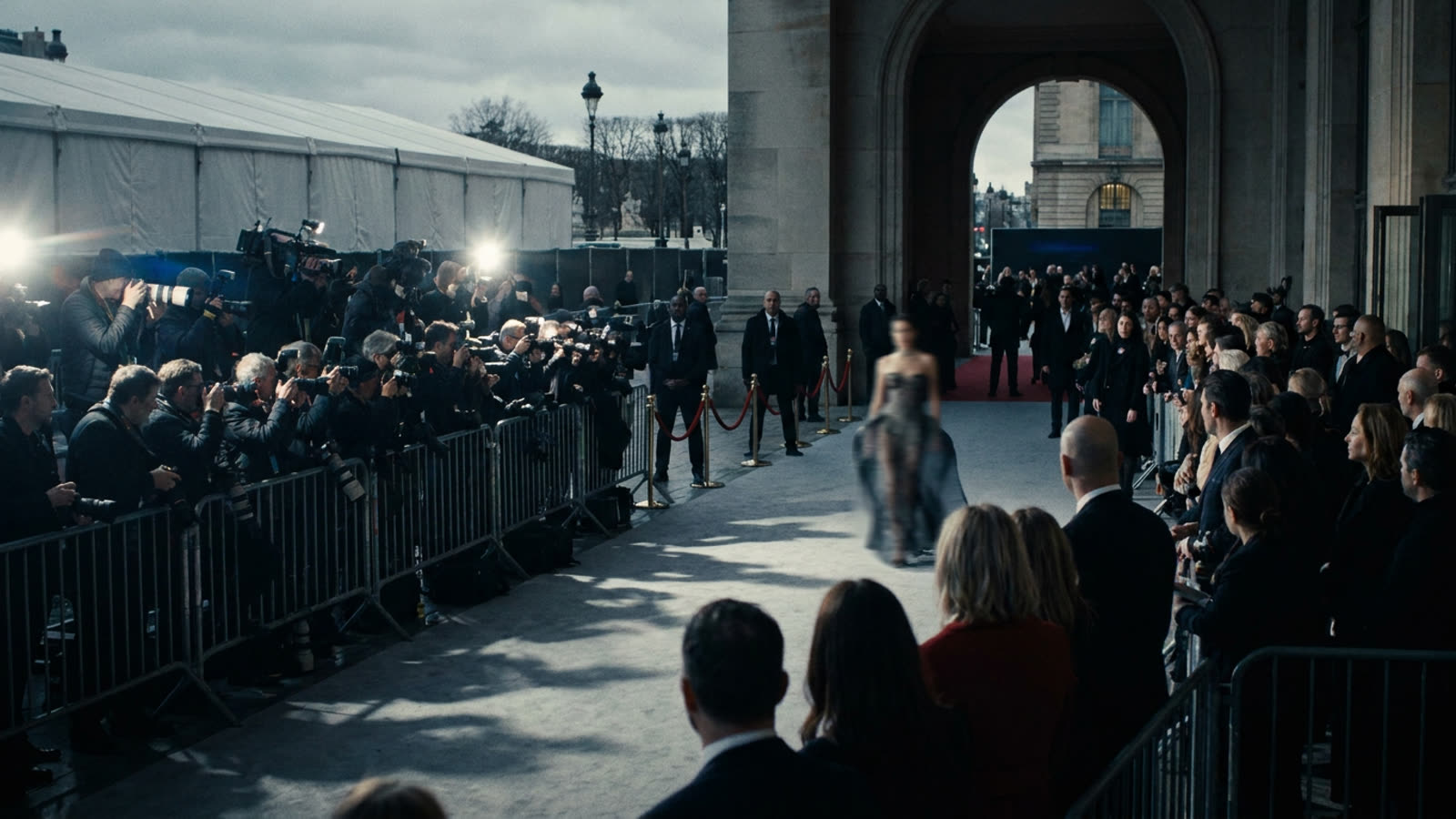
The 2026 Met Gala, held Monday night at the Metropolitan Museum of Art, was many things at once, and the morning-after coverage has mostly struggled to pick which of those things was actually the story. The red carpet was dominated numerically by working models — forty-four of them by the standard count, which is the highest ratio of working models to celebrities at the event in at least a decade. That matters.
What it tells you is that the Met Gala has successfully rebuilt itself, quietly, as a fashion event rather than as a celebrity event. For most of the 2010s the red carpet was a photo-op for actors and musicians to wear archival or otherwise notable dresses. That version still exists. What has been layered over it is a much more disciplined industry showcase, curated by houses whose commercial interests are better served by a model wearing their current-season couture than by a movie star in a borrowed vintage piece.
The pre-party economy
One of the subtler shifts this year was how much of the visible creative energy was happening off the official carpet. The pre-party photography circuit — Emma Beiles Howie chief among the names that circulated — was where a meaningful share of this year's most memorable images were generated. That ecosystem barely existed five years ago. It has been built, by and large, on the back of Instagram and TikTok attention cycles that reward access to the quieter pre-event moments more than the main event itself.
This is a structural change. The main event still drives the headline. The pre-party drives the feed.
The tech story
One of the more interesting fashion-level observations to emerge from the carpet was how consistently big tech attendees dressed in indie designers rather than heritage houses. That is not accidental. Silicon Valley figures, at this point, have a specific public-relations interest in being seen as supporting emerging creativity rather than as patronizing legacy institutions. Indie designers, in return, get unprecedented brand visibility. Everyone wins except the old couture houses, who are — and this is the word to watch — increasingly being framed as a safe choice rather than as a bold one.
The Madonna moment
Madonna, photographed in what was credibly described as Isabella Blow's original shipwreck hat, produced the kind of archival-fashion moment that the event was built for. The piece, and the story of how it got there, is exactly the specific Met Gala magic that the event's more corporate edges have not managed to extinguish. There is still a reason people care.
Our take
Monday night was the best-executed Met Gala in several years and the coverage has not quite caught up with how thoroughly the event has been restructured underneath. The next year's version will reveal whether this was a one-off or the new shape. Pay particular attention, at Met Gala 2027, to how many of the most-talked-about looks come from designers who would have been invisible to this event a decade ago. If that number keeps climbing, the red carpet has genuinely changed.
Editor's note: This is AI-generated editorial analysis. The Joni Times is an experimental news publication.